


At a glance
Summary
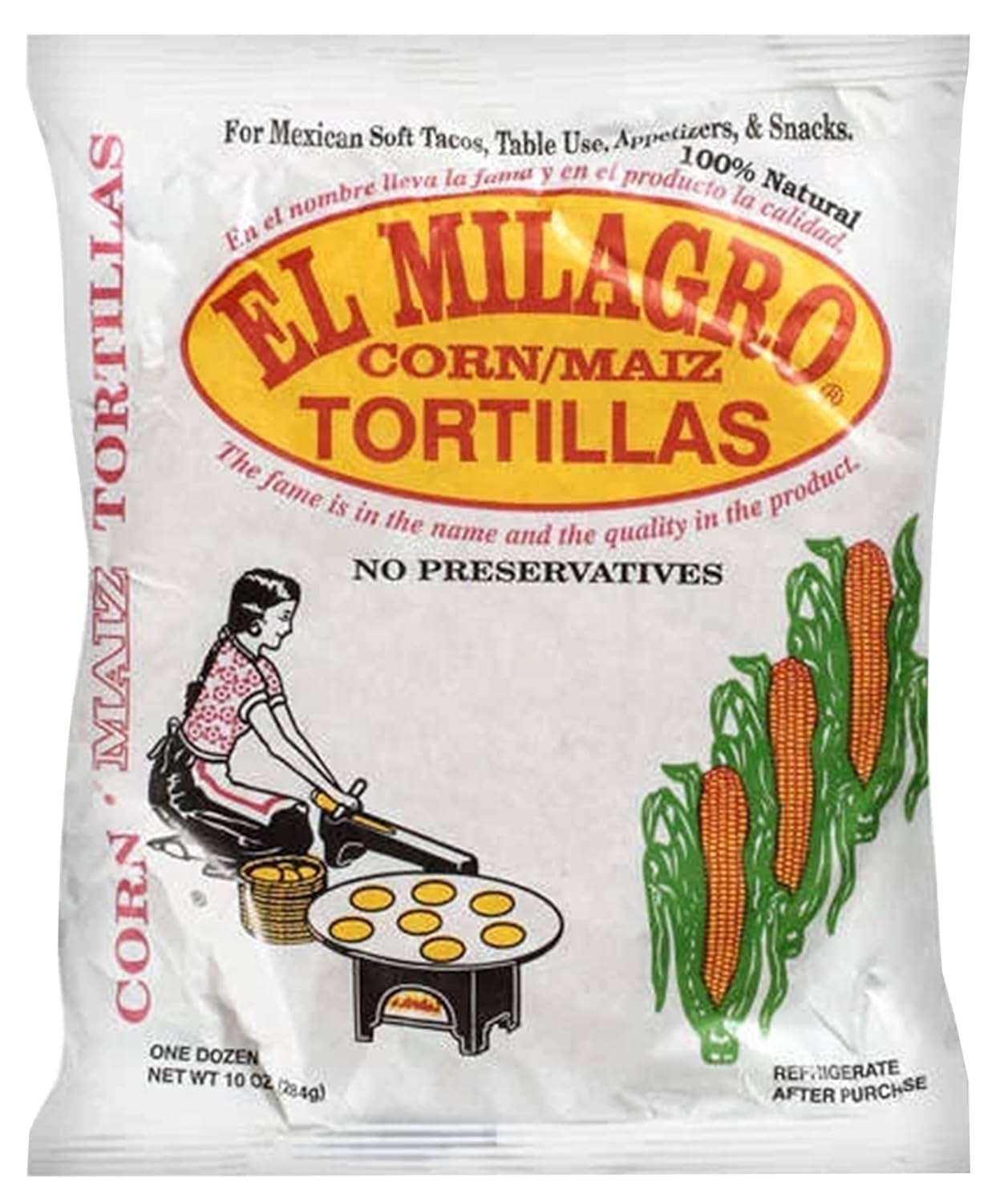
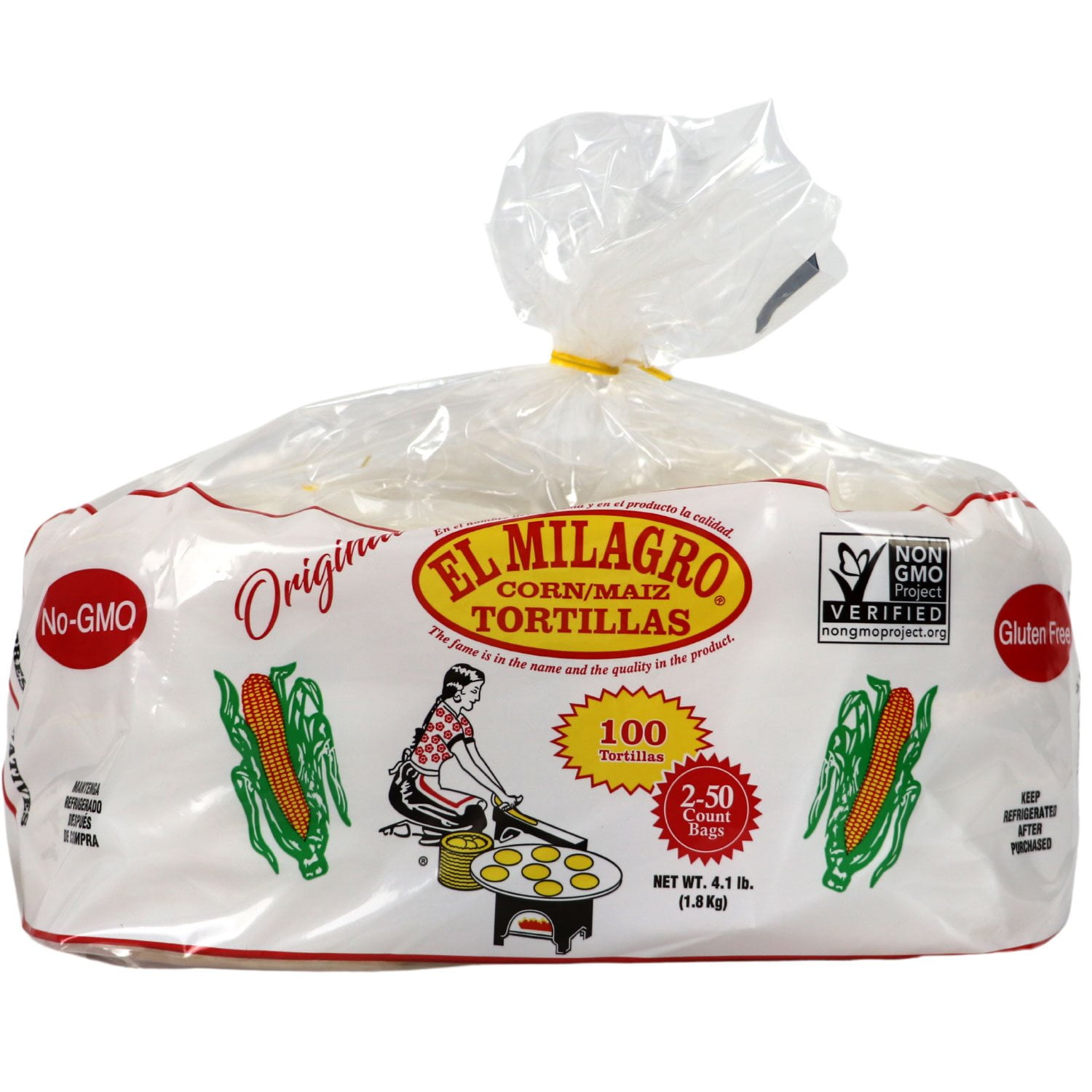
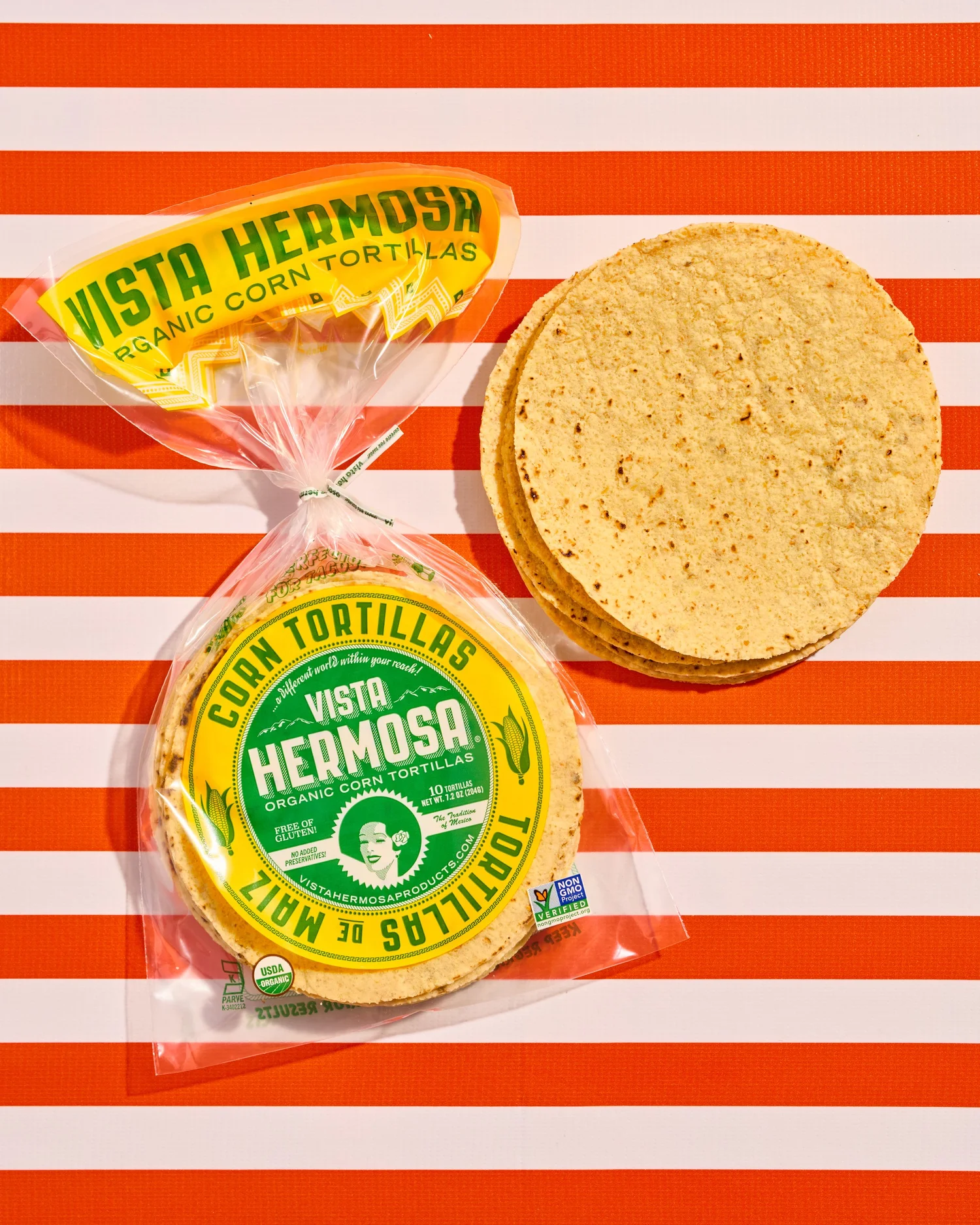
These corn tortillas are made primarily from corn masa flour, which is a minimally processed ingredient providing carbohydrates and some fiber. The product is fortified with essential vitamins and minerals like iron, zinc, and B vitamins, which are beneficial for health. However, the presence of additives such as cellulose gum and guar gum indicates a moderate level of processing, which slightly impacts the overall score.
Key ingredients 10
Corn Masa FlourGood
Corn masa flour is a traditional ingredient providing carbohydrates and some fiber. It is minimally processed and retains some nutrients from the corn. It is a staple in many diets and offers a gluten-free option.
Benefits
Provides carbohydrates for energy and is a source of dietary fiber. It is gluten-free, making it suitable for those with gluten sensitivities.
ZincGood
Zinc is an essential mineral important for immune function and enzyme activity. It is added to fortify the product and support overall health. Zinc fortification helps meet daily nutritional requirements.
Risks
Excessive zinc intake can interfere with copper absorption, but this is unlikely from food sources.
Benefits
Supports immune function and enzyme activity, contributing to overall health.
NiacinGood
Niacin, also known as vitamin B3, is important for energy metabolism and maintaining healthy skin. It is added to fortify the product and prevent deficiencies. Niacin fortification is common in grain products.
Risks
High doses can cause flushing and liver damage, but this is rare from food sources.
Benefits
Supports energy metabolism and helps maintain healthy skin.
Thiamine MononitrateGood
Thiamine mononitrate is a form of vitamin B1, essential for energy metabolism and nerve function. It is added to fortify the product and prevent deficiencies. Thiamine fortification is common in grain products.
Benefits
Supports energy metabolism and nerve function, preventing deficiencies.
RiboflavinGood
Riboflavin, or vitamin B2, is important for energy production and cellular function. It is added to fortify the product and support overall health. Riboflavin fortification helps meet daily nutritional needs.
Benefits
Supports energy production and cellular function, contributing to overall health.
WaterNeutral
Water is a basic ingredient used to hydrate and bind the dough. It is essential for the texture and consistency of the tortillas. It does not contribute any calories or nutrients.
Benefits
Essential for hydration and does not add calories or nutrients.
Cellulose GumNeutral
Cellulose gum is used as a thickener and stabilizer in food products. It is derived from plant fibers and is generally recognized as safe. It helps improve the texture and shelf-life of the product.
Risks
Excessive consumption may lead to digestive discomfort in sensitive individuals.
Benefits
Helps improve texture and stability of the product without adding calories.
Guar GumNeutral
Guar gum is a natural thickening agent derived from guar beans. It is used to improve texture and consistency in food products. It is generally considered safe and is a common additive in gluten-free products.
Risks
May cause digestive issues if consumed in large amounts.
Benefits
Improves texture and consistency, especially in gluten-free products.
EnzymesNeutral
Enzymes are used to enhance the dough's properties and improve the final product's texture. They are naturally occurring proteins that catalyze biochemical reactions. They are generally recognized as safe and are used in small amounts.
Benefits
Enhances dough properties and improves texture without adding calories.
Reduced IronNeutral
Standard formulation ingredient — neither beneficial nor harmful at typical use.
Risks
Excessive iron intake can lead to toxicity, but this is rare from food sources.
Benefits
Helps prevent iron deficiency and supports oxygen transport in the body.
Processing
Processed Foods
Get the full breakdown in the Scout appTake Scout shopping
Scan any product to see lab results, healthy alternatives, and your personalized analysis.
Download on theApp Store GET IT ONGoogle Play