


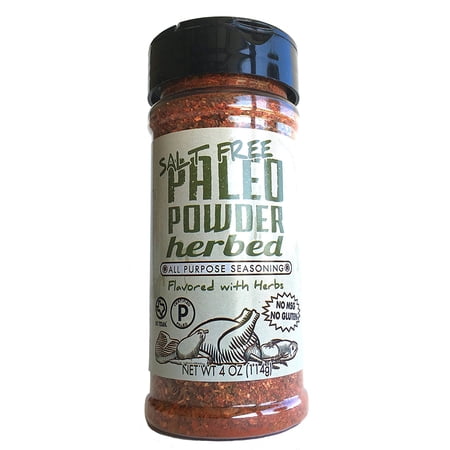

MALIBU ALL-PURPOSE SEASONING, MALIBU
Analysis updated September 2026 · How Scout scores
At a glance
Summary
This seasoning is ultra-processed, which limits its potential score. It contains soy lecithin, a processed emulsifier, and citric acid, which are common in processed foods. While it does not contain harmful artificial additives, the presence of these processed ingredients and the high level of processing reduce its overall healthiness.
Key ingredients 7
SaltNeutral
Salt is a common seasoning used to enhance flavor in foods. It is a refined product with no additional minerals or health benefits. Excessive consumption can lead to health issues such as hypertension.
Risks
High sodium intake can increase the risk of hypertension and cardiovascular diseases.
Garlic and onionNeutral
Garlic and onion are natural ingredients known for their flavor-enhancing properties. They contain beneficial compounds like allicin and quercetin. However, in seasoning blends, their nutritional impact is minimal.
Benefits
Contain compounds that may support immune function and have antioxidant properties.
Spices and paprikaNeutral
Spices and paprika add flavor and color to foods and may contain beneficial antioxidants. The specific health impact depends on the types and amounts of spices used. In small quantities, their nutritional contribution is limited.
Benefits
May provide antioxidants and enhance the flavor profile of dishes.
Modified tapioca starchNeutral
Modified tapioca starch is used as a thickener and stabilizer in food products. It is derived from cassava and is generally considered safe. It provides no significant nutritional benefits.
See more about Modified tapioca starch →Rice flourNeutral
Rice flour is a gluten-free flour alternative used to add bulk and texture to foods. It is a refined carbohydrate with limited nutritional value. It is suitable for gluten-free diets.
Benefits
Provides a gluten-free option for those with celiac disease or gluten sensitivity.
Citric acidNeutral
Citric acid is a natural preservative and flavor enhancer commonly used in food products. It is generally recognized as safe and is used to add acidity. It has no significant nutritional benefits.
Risks
Excessive consumption may cause dental erosion or gastrointestinal discomfort.
Soy lecithinBad
Soy lecithin is an emulsifier derived from soybeans, used to improve texture and consistency in foods. It is a processed ingredient and may contain traces of soy allergens. It provides no significant nutritional benefits.
Risks
May cause allergic reactions in individuals sensitive to soy.
Processing
Ultra-Processed Foods
Get the full breakdown in the Scout appTake Scout shopping
Scan any product to see lab results, healthy alternatives, and your personalized analysis.
Download on theApp Store GET IT ONGoogle Play