
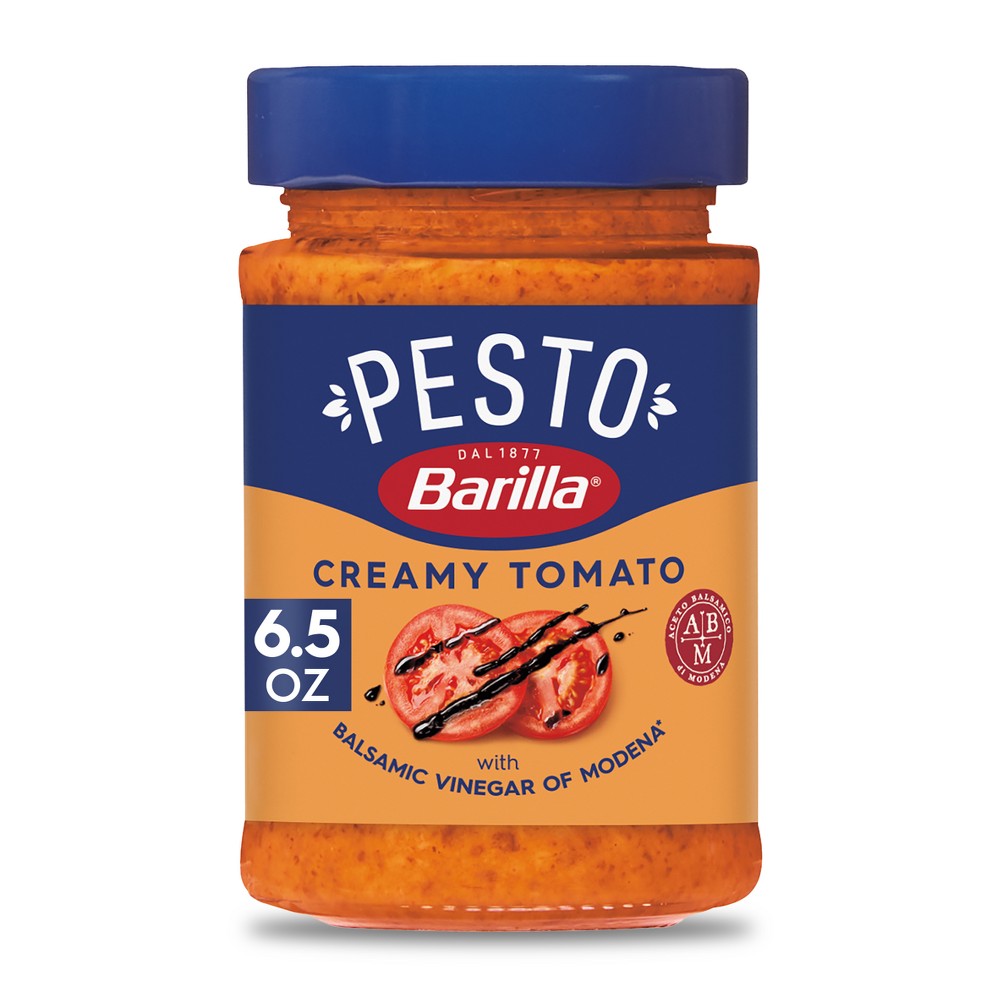

Barilla Creamy Tomato Pesto Sauce - 6.5oz
Analysis updated July 2026 · How Scout scores
At a glance
Summary
This sauce contains beneficial ingredients like tomato pulp, tomato paste, and Grana Padano cheese, which provide antioxidants and nutrients. However, the presence of sunflower oil, a seed oil high in omega-6 fatty acids, and added sugar, which contributes empty calories, negatively impacts its health profile. The product is moderately processed, which limits its overall score despite some high-quality components.
Key ingredients 11
Tomato pulpGood
Tomato pulp is a minimally processed ingredient rich in vitamins and antioxidants. It provides lycopene, which is linked to reduced risk of heart disease and cancer. The natural sugars and acids in tomatoes enhance flavor without the need for additives.
Benefits
Rich in vitamins A and C, and antioxidants like lycopene, which may support heart health and reduce cancer risk.
Tomato pasteGood
Tomato paste is a concentrated source of tomatoes, providing a rich flavor and high levels of lycopene. It is made by cooking tomatoes to remove water, concentrating nutrients and flavors. This ingredient enhances the sauce's nutritional profile with antioxidants.
Benefits
High in lycopene and other antioxidants, which may support heart health and reduce cancer risk.
Grana padano cheeseGood
Grana Padano cheese is a high-quality cheese providing protein and calcium. It is made from cow's milk and aged to develop flavor and nutritional content. The fermentation process enhances its digestibility and nutrient absorption.
Risks
Contains lactose, which may be a concern for those with lactose intolerance.
Benefits
Rich in protein and calcium, supporting bone health and muscle maintenance.
CashewsGood
Cashews are a nutrient-dense nut providing healthy fats, protein, and minerals. They contribute a creamy texture and nutty flavor to the sauce. Cashews are rich in monounsaturated fats, which support heart health.
Risks
Potential allergen for individuals with nut allergies.
Benefits
Rich in healthy fats, protein, and minerals, supporting heart health and providing a creamy texture.
BasilGood
Basil is a fresh herb that adds flavor and aroma to the sauce. It contains essential oils and antioxidants that may have anti-inflammatory and antimicrobial properties. Basil enhances the sauce's flavor profile naturally without additives.
Benefits
Contains antioxidants and essential oils that may support health and enhance flavor.
Balsamic vinegar of modenaGood
Balsamic vinegar of Modena is a traditional vinegar that adds acidity and depth of flavor. It is made from grape must and aged to develop complex flavors. The vinegar contains antioxidants and may aid digestion.
Benefits
Provides antioxidants and may aid in digestion, enhancing the sauce's flavor profile.
Cultured milkNeutral
Cultured milk is used in cheese production to enhance flavor and texture. It involves fermentation, which can improve digestibility and probiotic content. However, its benefits are primarily related to the final cheese product rather than the milk itself.
Risks
May contain lactose, which can be problematic for lactose-intolerant individuals.
Benefits
Contributes to the development of probiotics and improved digestibility in cheese.
SaltNeutral
Salt is used as a seasoning and preservative in food products. It enhances flavor and helps preserve the sauce by inhibiting microbial growth. However, excessive consumption can lead to health issues like hypertension.
Risks
High sodium intake can contribute to hypertension and cardiovascular disease.
Benefits
Enhances flavor and acts as a preservative in food products.
EnzymesNeutral
Enzymes are used in cheese production to aid in the breakdown of milk proteins. They are essential for developing the texture and flavor of cheese. These are typically derived from natural sources and are safe for consumption.
Benefits
Facilitate the cheese-making process, improving texture and flavor.
SugarBad
Sugar is added to enhance sweetness and balance acidity in the sauce. However, refined sugar can contribute to health issues like obesity and diabetes when consumed in excess. It provides empty calories without significant nutritional benefits.
Risks
Excessive consumption can lead to obesity, diabetes, and other metabolic disorders.
Sunflower oilVery Bad
Sunflower oil is a seed oil high in omega-6 fatty acids, which can promote inflammation when consumed in excess. It is often extracted using high heat and chemicals, which may degrade its nutritional quality. Compared to healthier oils like olive oil, it lacks beneficial monounsaturated fats.
Risks
High omega-6 content may promote inflammation and imbalance omega-3 to omega-6 ratio.
Processing
Processed Foods
Get the full breakdown in the Scout appTake Scout shopping
Scan any product to see lab results, healthy alternatives, and your personalized analysis.
Download on theApp Store GET IT ONGoogle PlayAmazon pricing & content
Amazon price as of . Product prices and availability are accurate as of the date/time indicated and are subject to change. Any price and availability information displayed on Amazon.com at the time of purchase will apply to the purchase of this product.
CERTAIN CONTENT THAT APPEARS ON THIS SITE COMES FROM AMAZON. THIS CONTENT IS PROVIDED “AS IS” AND IS SUBJECT TO CHANGE OR REMOVAL AT ANY TIME.