



At a glance
Summary
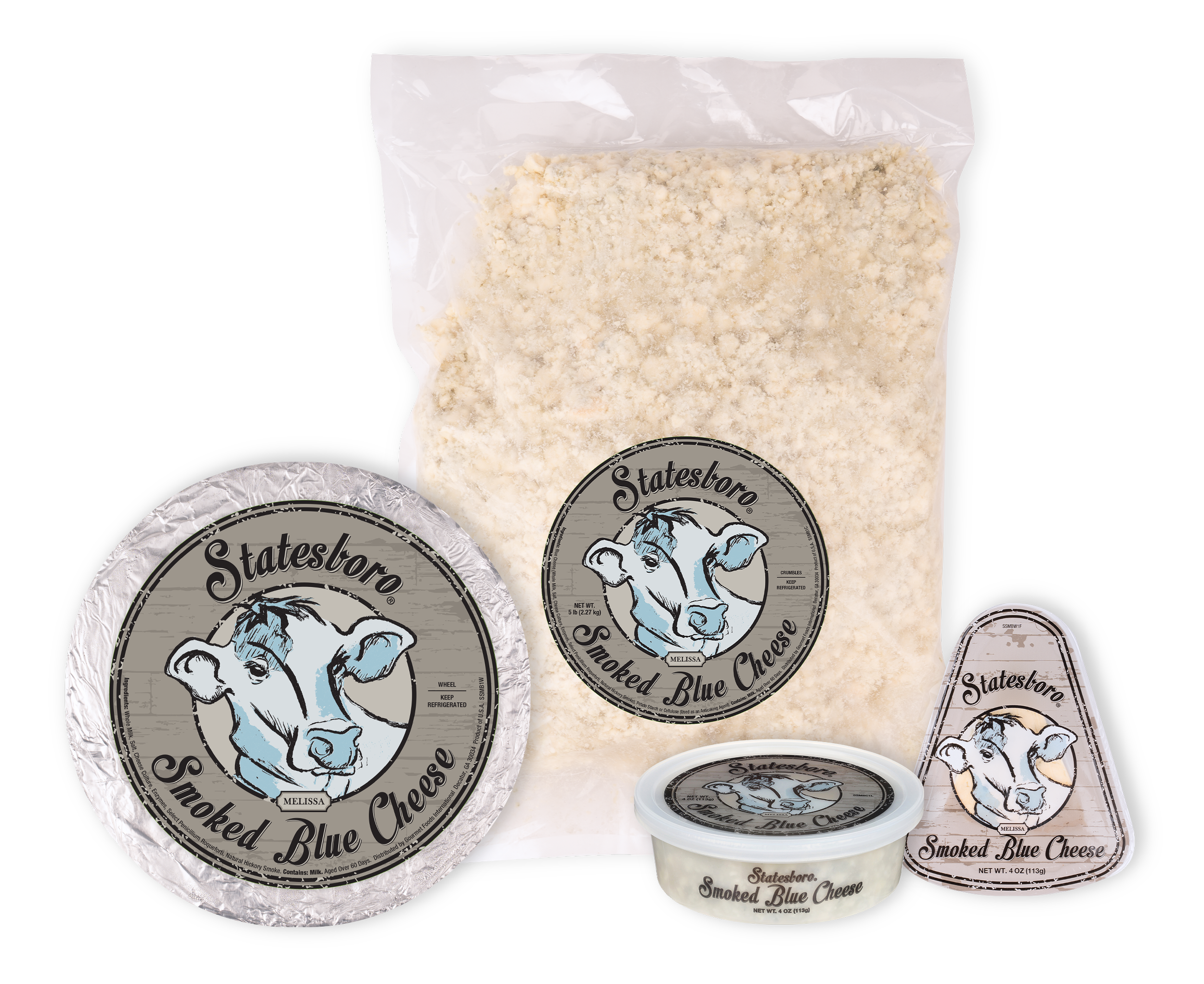
This product is a blue cheese crumble that includes pasteurized whole milk, salt, culture, enzymes, and powdered cellulose to prevent caking. While the primary ingredients are typical for cheese, the presence of powdered cellulose indicates a higher level of processing. The product is classified as ultra-processed, which limits its score despite the absence of harmful additives like artificial colors or seed oils.
Key ingredients 5
Pasteurized whole milkNeutral
Pasteurized whole milk is a primary ingredient in cheese, providing essential nutrients like calcium and protein. The pasteurization process ensures safety by eliminating harmful bacteria. However, it lacks the probiotic benefits found in raw milk.
Benefits
Provides essential nutrients such as calcium and protein, which are important for bone health and muscle maintenance.
SaltNeutral
Salt is used in cheese making for flavor and preservation. It is a common ingredient in processed foods and helps in controlling microbial growth. However, excessive consumption of salt can lead to health issues like hypertension.
Risks
High sodium intake can contribute to hypertension and cardiovascular diseases.
Benefits
Enhances flavor and acts as a preservative in cheese, contributing to its texture and taste.
CultureNeutral
Cultures are essential in cheese production, aiding in fermentation and flavor development. They help in the breakdown of lactose and the formation of cheese texture. The specific strains used can vary, affecting the final taste and texture of the cheese.
Benefits
Contributes to the development of flavor and texture in cheese, and aids in lactose breakdown.
EnzymesNeutral
Enzymes are crucial in cheese making, facilitating the coagulation of milk. They help in the development of texture and flavor. The type of enzyme used can influence the characteristics of the final product.
Benefits
Essential for the coagulation process in cheese making, contributing to texture and flavor.
Powdered celluloseBad
Powdered cellulose is used to prevent caking in cheese products. It is derived from plant fibers and is considered a processed additive. While it is generally recognized as safe, it adds no nutritional value and is indicative of processing.
Risks
May indicate a higher level of processing and can be a concern for those avoiding additives.
Benefits
Helps maintain product quality by preventing clumping, ensuring even distribution of cheese crumbles.
Processing
Ultra-Processed Foods
Get the full breakdown in the Scout appTake Scout shopping
Scan any product to see lab results, healthy alternatives, and your personalized analysis.
Download on theApp Store GET IT ONGoogle Play