
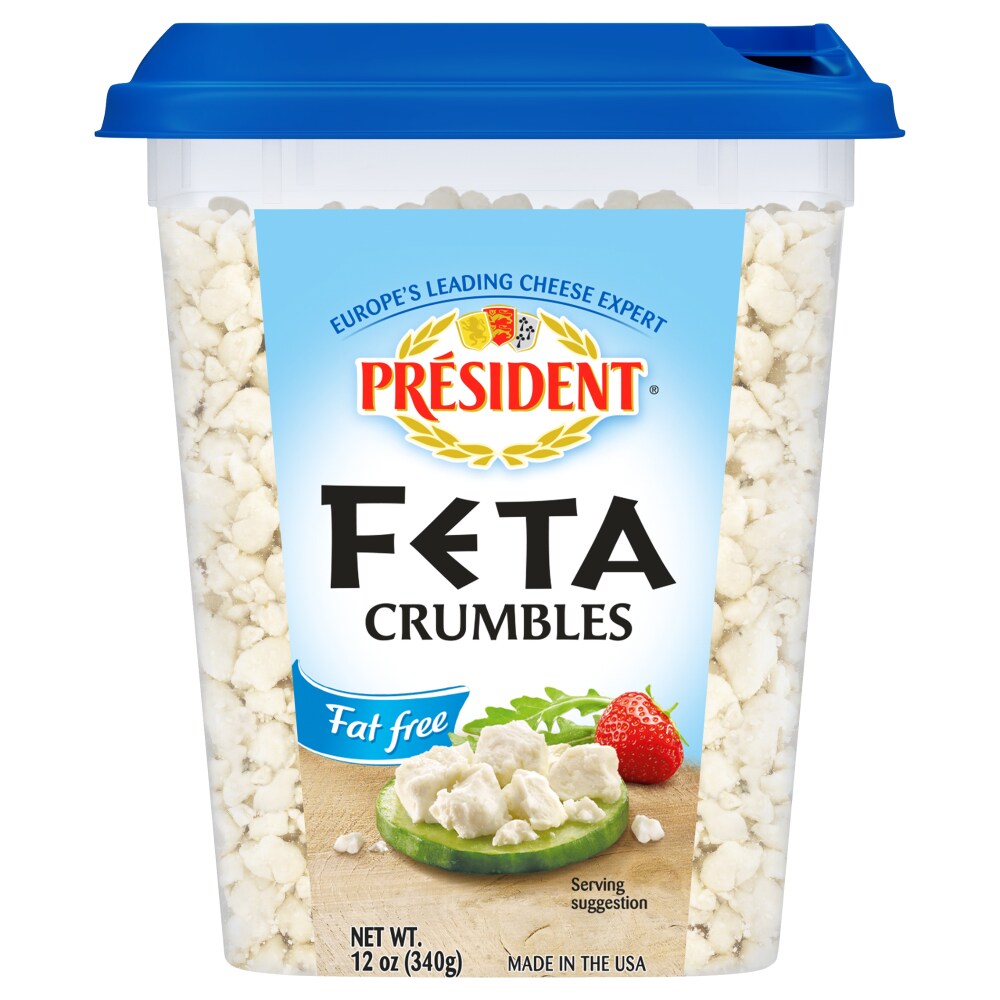


President - Fat Free Crumbled Feta 12.00 oz
Analysis updated September 2026 · How Scout scores
At a glance
Summary
This product is a processed cheese with added cellulose powder and corn starch to prevent caking, which indicates a moderate level of processing. The inclusion of artificial color is a concern, as it does not contribute to nutritional value and may pose health risks. While it lacks harmful seed oils or excessive additives, the processing level and use of artificial color prevent it from scoring higher.
Key ingredients 8
Pasteurized skim milkNeutral
Pasteurized skim milk is a low-fat dairy product used as a base for cheese. The pasteurization process eliminates harmful bacteria but may reduce some beneficial enzymes. It provides protein and calcium but lacks the healthy fats found in whole milk.
Benefits
Provides a source of protein and calcium, essential for bone health.
SaltNeutral
Salt is used for flavor and as a preservative in cheese. It is a refined product without the trace minerals found in unrefined salts. While necessary for flavor, excessive consumption can lead to health issues.
Risks
High sodium intake can contribute to hypertension and cardiovascular issues.
Benefits
Enhances flavor and acts as a preservative in cheese.
Cheese culturesNeutral
Cheese cultures are bacteria used to ferment milk into cheese. They are essential for developing flavor and texture in cheese. The specific strains used can vary, affecting the final product's characteristics.
Benefits
Contributes to the fermentation process, enhancing flavor and texture.
Cellulose powderNeutral
Cellulose powder is added to prevent caking in shredded cheese products. It is derived from plant fibers and is considered safe for consumption. It does not contribute any nutritional value.
Benefits
Prevents caking, ensuring the cheese remains free-flowing.
Corn starchNeutral
Corn starch is used as an anti-caking agent in cheese products. It is a refined carbohydrate with no significant nutritional benefits. It helps maintain the texture of crumbled cheese.
Benefits
Helps maintain texture and prevents clumping in cheese.
EnzymesNeutral
Enzymes are used in cheese production to aid in coagulation and flavor development. They are essential for transforming milk into cheese. The type of enzyme used can affect the cheese's texture and flavor.
Benefits
Essential for cheese production, aiding in coagulation and flavor development.
Vitamin A palmitateNeutral
Vitamin A palmitate is added to fortify the cheese with vitamin A. It is a synthetic form of vitamin A used to replace nutrients lost during fat removal. While it provides vitamin A, it is not as beneficial as naturally occurring forms.
Risks
Excessive intake of synthetic vitamin A can lead to toxicity.
Benefits
Provides vitamin A, which is important for vision and immune function.
Color addedBad
Color added is used to enhance the visual appeal of cheese. Artificial colors can be associated with health concerns and are not necessary for the product's nutritional value. The use of artificial colors is often criticized for potential health risks.
Risks
Artificial colors may be linked to hyperactivity and allergic reactions in sensitive individuals.
Processing
Processed Foods
Get the full breakdown in the Scout appTake Scout shopping
Scan any product to see lab results, healthy alternatives, and your personalized analysis.
Download on theApp Store GET IT ONGoogle Play