
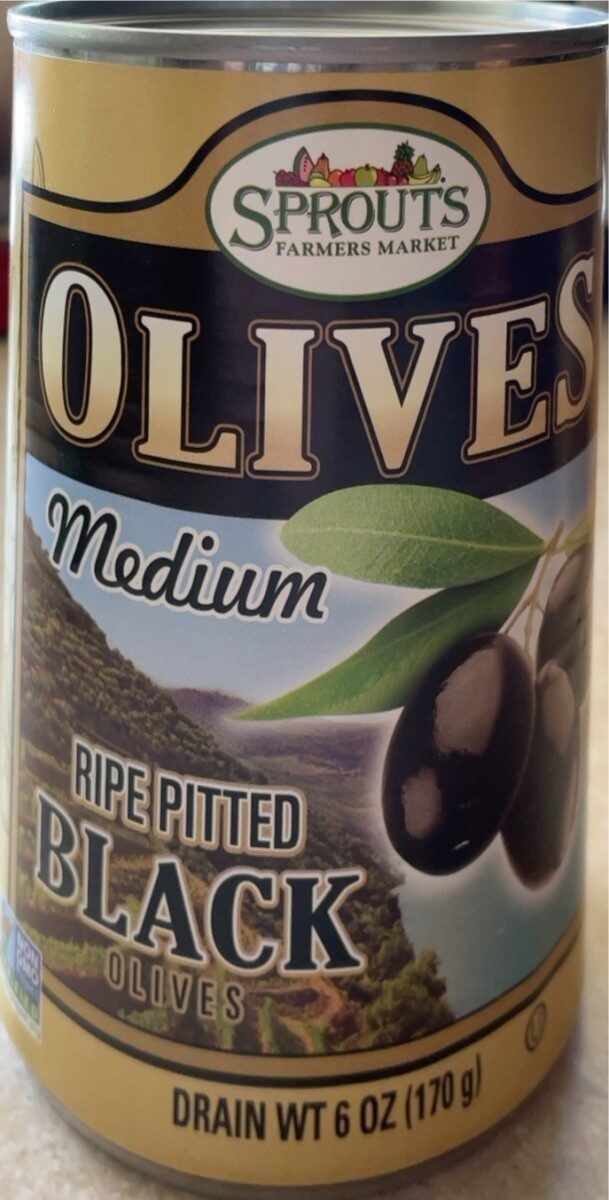
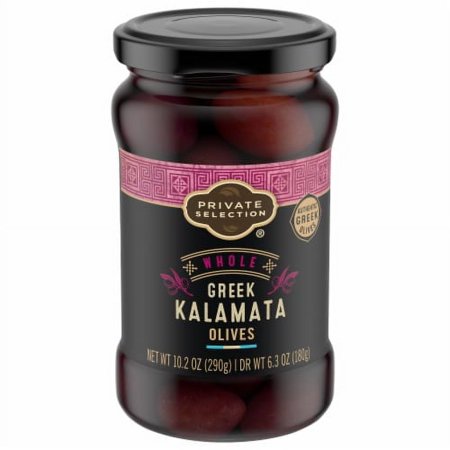
Wegmans Queen Olives with Pimento

Wegmans
60 Fair
View on Amazon

Near you

Wegmans is carried at Wegmans stores. Find one within 25 miles.

Summary

This product is ultra-processed, which limits its potential health score despite containing beneficial olives. The presence of sodium alginate and guar gum, which are used to enhance texture, contributes to its processed nature and may cause digestive issues if consumed in excess. While olives provide healthy fats, the overall processing level and additives reduce the product's healthiness.

At a glance

Beneficial ingredients 1
Harmful ingredients 2
Owned by Wegman Enterprises, Inc.
Category Olives

Key ingredients 9

Olives
Good

Olives are a natural source of healthy monounsaturated fats. They contain antioxidants and anti-inflammatory compounds that support heart health. The minimal processing involved in preserving olives retains their nutritional benefits.

Benefits

Rich in monounsaturated fats and antioxidants, which support cardiovascular health and reduce inflammation.

Water
Neutral

Water is used as a solvent and carrier in food products. It is essential for hydration and does not contribute calories or nutrients. In this product, it helps maintain the texture and moisture of the olives.

See more about Water →
Minced Pimento
Neutral

Minced pimento adds flavor and color to the olives. It is a natural ingredient with minimal processing. Pimentos are low in calories and provide a small amount of vitamins.

Benefits

Provides a mild flavor and small amounts of vitamins like vitamin C.

Salt
Neutral

Salt is used as a preservative and flavor enhancer in many food products. It helps to extend shelf life and improve taste. However, excessive salt intake can lead to health issues such as hypertension.

Risks

High sodium intake can increase the risk of hypertension and cardiovascular diseases.

Benefits

Enhances flavor and acts as a preservative to extend shelf life.

See more about Salt →
Lactic Acid
Neutral

Lactic acid is a naturally occurring acid used as a preservative and pH regulator. It is produced through the fermentation of carbohydrates. In this product, it helps maintain acidity and prevent spoilage.

Benefits

Helps preserve the product by maintaining acidity and preventing microbial growth.

See more about Lactic Acid →
Sodium Alginate
Bad

Sodium alginate is a thickening and gelling agent derived from brown seaweed. It is used to improve texture and stability in processed foods. While generally recognized as safe, excessive consumption may cause digestive issues.

Risks

Excessive consumption may lead to digestive discomfort such as bloating or diarrhea.

Benefits

Provides texture and stability to food products, enhancing mouthfeel.

Guar Gum
Bad

Guar gum is a thickening agent derived from guar beans. It is used to improve texture and consistency in processed foods. Overconsumption can lead to digestive issues such as gas and bloating.

Risks

May cause digestive issues like gas and bloating when consumed in large amounts.

Benefits

Improves texture and consistency in food products.

See more about Guar Gum →
Calcium Chloride
Neutral

Calcium chloride is used as a firming agent in canned vegetables and fruits. It helps maintain the firmness and texture of the olives. It is generally recognized as safe when used in food processing.

Benefits

Helps maintain firmness and texture in processed foods.

See more about Calcium Chloride →
Citric Acid
Neutral

Citric acid is a natural preservative and flavor enhancer found in citrus fruits. It is used to add acidity and improve flavor in processed foods. It also acts as an antioxidant, preventing spoilage.

Benefits

Acts as a preservative and flavor enhancer, adding acidity and preventing spoilage.

See more about Citric Acid →

Processing

Group 4 · Ultra-processed

Ultra-Processed Foods

Get the full breakdown in the Scout app

Scan any product to see lab results, healthy alternatives, and your personalized analysis.

Download on theApp Store