


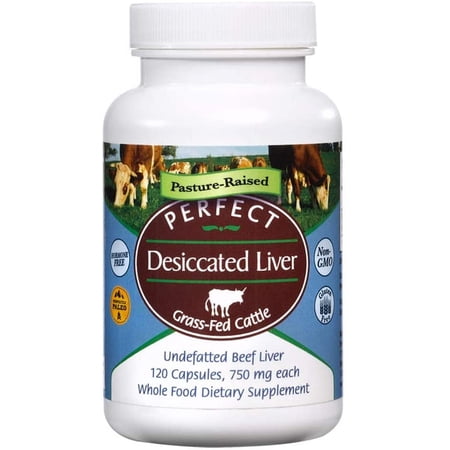
Beef liver
Analysis updated July 2026 · How Scout scores
At a glance
Summary
Beef liver is a nutrient-dense organ meat that is minimally processed and rich in essential vitamins and minerals such as vitamin A, B12, iron, and zinc. It provides high-quality protein and supports overall health, making it an excellent choice for preventing nutrient deficiencies. The product's minimal processing and absence of harmful additives contribute to its high rating.
Key ingredients 16
Beef liverVery Good
Beef liver is a nutrient-dense organ meat rich in essential vitamins and minerals. It is a high-quality source of protein and provides significant amounts of vitamin A, iron, and B vitamins. Consuming beef liver supports overall health and can help prevent nutrient deficiencies.
Risks
Excessive consumption may lead to vitamin A toxicity due to its high content.
Benefits
Rich in essential nutrients like vitamin A, iron, and B vitamins, supporting immune function, energy production, and red blood cell formation.
Vitamin AVery Good
Vitamin A is crucial for maintaining healthy vision, immune function, and skin health. It is a fat-soluble vitamin found in high amounts in beef liver. Adequate intake of vitamin A is essential for preventing night blindness and supporting immune defenses.
Risks
High doses can lead to toxicity, especially if consumed in supplement form.
Benefits
Supports vision, immune function, and skin health, and is essential for growth and development.
FolateVery Good
Folate is a B vitamin important for DNA synthesis and repair, and it plays a critical role in cell division. It is abundant in beef liver, contributing to its nutritional value. Adequate folate intake is essential for preventing neural tube defects during pregnancy.
Benefits
Supports DNA synthesis and repair, and is crucial for cell division and preventing birth defects.
IronVery Good
Iron is a vital mineral necessary for oxygen transport in the blood and energy production. Beef liver is an excellent source of heme iron, which is more easily absorbed by the body compared to non-heme iron from plant sources. Adequate iron intake prevents anemia and supports overall energy levels.
Risks
Excessive iron intake can lead to toxicity and organ damage.
Benefits
Essential for oxygen transport and energy production, preventing anemia and supporting overall vitality.
CopperVery Good
Copper is a trace mineral important for iron metabolism, connective tissue formation, and brain function. It is present in significant amounts in beef liver. Adequate copper intake supports cardiovascular health and immune function.
Risks
Excessive intake can lead to toxicity and liver damage.
Benefits
Supports iron metabolism, connective tissue formation, and brain function, contributing to cardiovascular and immune health.
CholineVery Good
Choline is an essential nutrient that supports brain health, liver function, and muscle movement. Beef liver is a rich source of choline, which is important for neurotransmitter synthesis and cell membrane integrity. Adequate choline intake is crucial for cognitive function and liver health.
Benefits
Supports brain health, liver function, and muscle movement, and is essential for neurotransmitter synthesis.
Vitamin DVery Good
Vitamin D is essential for calcium absorption, bone health, and immune function. Beef liver contains vitamin D, which is important for maintaining healthy bones and preventing osteoporosis. Adequate vitamin D levels support immune health and reduce the risk of chronic diseases.
Benefits
Supports calcium absorption, bone health, and immune function, reducing the risk of osteoporosis and chronic diseases.
Vitamin EVery Good
Vitamin E is a powerful antioxidant that protects cells from oxidative damage and supports immune function. It is present in beef liver, contributing to its antioxidant properties. Adequate vitamin E intake supports skin health and reduces inflammation.
Benefits
Acts as an antioxidant, protecting cells from damage and supporting immune function and skin health.
Vitamin K2Very Good
Vitamin K2 is important for bone and cardiovascular health, as it helps regulate calcium deposition. Beef liver is a source of vitamin K2, which supports bone mineralization and reduces the risk of arterial calcification. Adequate intake is crucial for maintaining strong bones and a healthy heart.
Benefits
Supports bone and cardiovascular health by regulating calcium deposition, reducing the risk of osteoporosis and arterial calcification.
Vitamin B3Very Good
Vitamin B3, also known as niacin, is essential for energy metabolism and DNA repair. Beef liver is a rich source of niacin, which supports cellular energy production and skin health. Adequate niacin intake helps prevent pellagra and supports overall metabolic health.
Benefits
Supports energy metabolism and DNA repair, preventing pellagra and promoting skin health.
Vitamin B5Very Good
Vitamin B5, or pantothenic acid, is crucial for synthesizing coenzyme A, which is involved in fatty acid metabolism. Beef liver provides a good source of vitamin B5, supporting energy production and hormone synthesis. Adequate intake is important for maintaining healthy skin and reducing stress levels.
Benefits
Supports fatty acid metabolism, energy production, and hormone synthesis, promoting healthy skin and reducing stress.
Vitamin B6Very Good
Vitamin B6 is important for amino acid metabolism, neurotransmitter synthesis, and immune function. Beef liver is a rich source of vitamin B6, which supports brain health and reduces inflammation. Adequate intake is crucial for preventing anemia and supporting cognitive function.
Benefits
Supports amino acid metabolism, neurotransmitter synthesis, and immune function, promoting brain health and reducing inflammation.
PotassiumVery Good
Potassium is an essential mineral that helps regulate fluid balance, nerve signals, and muscle contractions. Beef liver contains potassium, which supports cardiovascular health and reduces the risk of hypertension. Adequate intake is important for maintaining electrolyte balance and preventing muscle cramps.
Benefits
Regulates fluid balance, nerve signals, and muscle contractions, supporting cardiovascular health and reducing hypertension risk.
CoQ10Very Good
CoQ10 is a powerful antioxidant that supports cellular energy production and heart health. It is naturally present in beef liver, contributing to its health benefits. Adequate CoQ10 levels support mitochondrial function and reduce oxidative stress, promoting overall vitality.
Benefits
Supports cellular energy production and heart health, reducing oxidative stress and promoting vitality.
Vitamin B12Good
Vitamin B12 is essential for nerve function, red blood cell formation, and DNA synthesis. It is naturally found in animal products like beef liver. Adequate B12 intake is crucial for preventing anemia and supporting neurological health.
Benefits
Supports nerve function, red blood cell production, and DNA synthesis, preventing anemia and neurological issues.
ZincGood
Zinc is an essential mineral that plays a role in immune function, wound healing, and DNA synthesis. Beef liver provides a good source of zinc, which is important for maintaining a healthy immune system. Adequate zinc intake supports growth and development, especially in children.
Risks
Excessive zinc intake can interfere with copper absorption and lead to toxicity.
Benefits
Supports immune function, wound healing, and DNA synthesis, and is crucial for growth and development.
Processing
Unprocessed or Minimally Processed Foods
Get the full breakdown in the Scout appTake Scout shopping
Scan any product to see lab results, healthy alternatives, and your personalized analysis.
Download on theApp Store GET IT ONGoogle PlayAmazon pricing & content
Amazon price as of . Product prices and availability are accurate as of the date/time indicated and are subject to change. Any price and availability information displayed on Amazon.com at the time of purchase will apply to the purchase of this product.
CERTAIN CONTENT THAT APPEARS ON THIS SITE COMES FROM AMAZON. THIS CONTENT IS PROVIDED “AS IS” AND IS SUBJECT TO CHANGE OR REMOVAL AT ANY TIME.