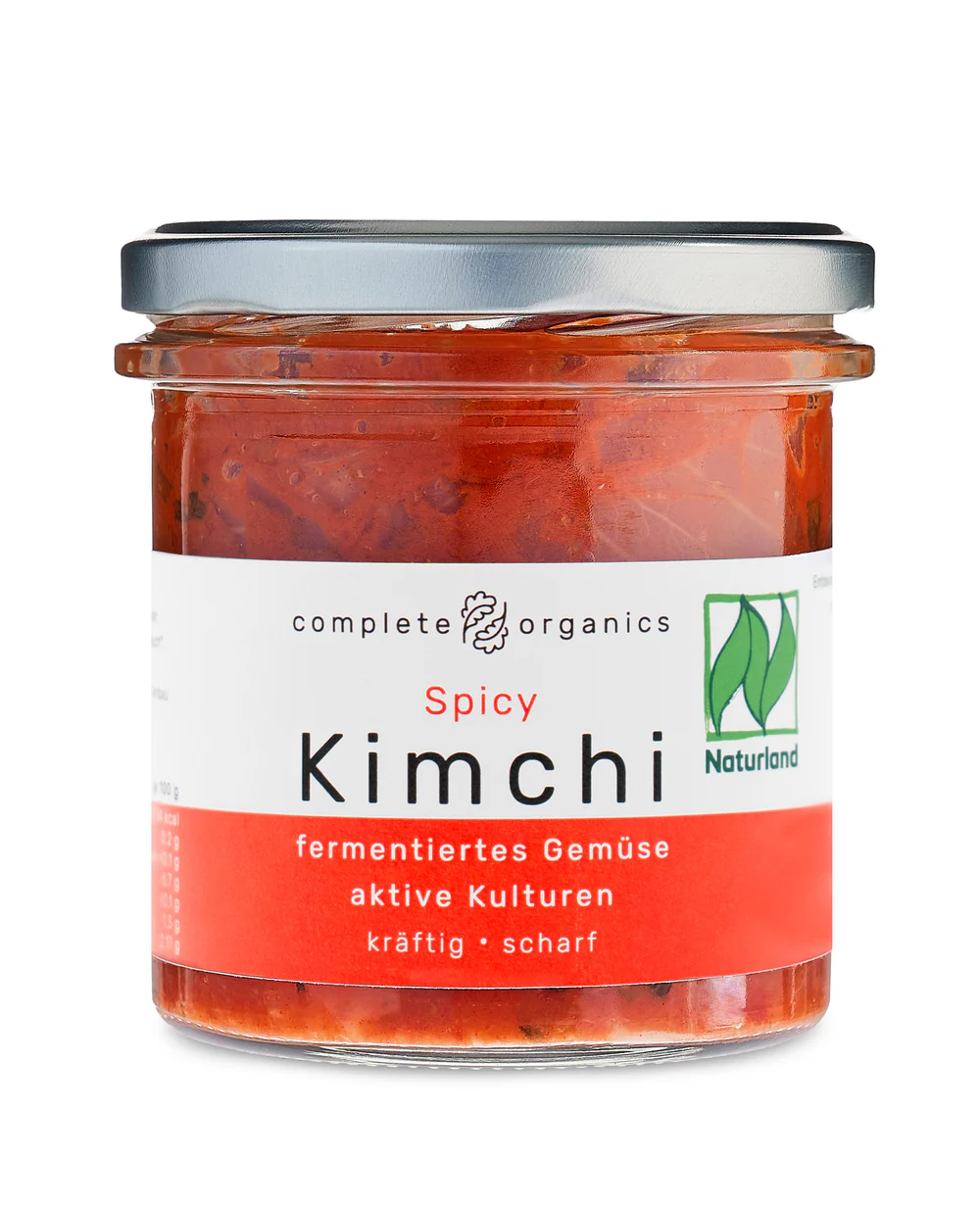
Seoul Kimchi

At a glance
Summary
This kimchi product contains a variety of beneficial ingredients such as napa cabbage, chili pepper, and garlic, which contribute to its nutritional value and probiotic benefits. However, the presence of cane sugar, a refined sugar, slightly detracts from its health profile. Despite being processed, the ingredient list is relatively clean, with no artificial additives or preservatives, allowing it to score well within its category. Its plastic packaging can shed microplastics into the food and lowers its score.
Key ingredients 11
Napa cabbageVery Good
Napa cabbage is a low-calorie vegetable rich in vitamins C and K. It provides dietary fiber which aids in digestion. The fermentation process enhances its probiotic content, supporting gut health.
Benefits
Rich in vitamins and fiber, promoting digestive health and providing essential nutrients.
Chili pepperGood
Chili peppers contain capsaicin, which has anti-inflammatory and metabolism-boosting properties. They are also a good source of vitamins A and C. The heat from capsaicin can enhance flavor without adding calories.
Risks
Excessive consumption may cause digestive discomfort in sensitive individuals.
Benefits
Provides capsaicin, which may aid in weight management and reduce inflammation.
CarrotGood
Carrots are rich in beta-carotene, which the body converts to vitamin A, essential for vision and immune function. They are also a good source of fiber and antioxidants. Their natural sweetness can enhance the flavor profile of dishes.
Benefits
High in beta-carotene and fiber, supporting eye health and digestion.
GarlicGood
Garlic is known for its immune-boosting properties and contains compounds like allicin that have antimicrobial effects. It is also linked to improved cardiovascular health. Its pungent flavor enhances culinary dishes.
Risks
May cause digestive discomfort or allergic reactions in some individuals.
Benefits
Supports immune function and may improve heart health due to its bioactive compounds.
Green onionGood
Green onions are low in calories and provide a source of vitamins A and C. They add flavor and texture to dishes without significant caloric impact. Their mild flavor makes them versatile in various cuisines.
Benefits
Provides vitamins and enhances flavor with minimal calories.
OnionGood
Onions are rich in antioxidants and have anti-inflammatory properties. They provide flavor and nutrients such as vitamin C and fiber. Their sulfur compounds may support heart health.
Risks
May cause digestive discomfort in some individuals.
Benefits
Rich in antioxidants and supports heart health.
Sea saltGood
Sea salt is a natural source of sodium and trace minerals. It is less processed than table salt, retaining more minerals. It enhances flavor without the need for additives.
Risks
Excessive sodium intake can lead to hypertension and cardiovascular issues.
Benefits
Provides essential minerals and enhances flavor naturally.
GingerGood
Ginger is known for its anti-inflammatory and digestive benefits. It contains bioactive compounds like gingerol that may reduce nausea and improve digestion. Its spicy flavor adds depth to dishes.
Risks
May cause heartburn or digestive upset in some individuals.
Benefits
Supports digestion and has anti-inflammatory properties.
Salted baby shrimpNeutral
Salted baby shrimp provide protein and minerals like calcium. However, they are high in sodium due to the salting process. They add umami flavor to dishes.
Risks
High sodium content may contribute to hypertension if consumed in excess.
Benefits
Provides protein and minerals, enhancing flavor and nutritional value.
Anchovy extractNeutral
Anchovy extract provides umami flavor and is a source of omega-3 fatty acids. However, it is typically used in small amounts, limiting its nutritional impact. It enhances the savory profile of foods.
Risks
May contain high levels of sodium and potential allergens.
Benefits
Adds umami flavor and provides omega-3 fatty acids.
Cane sugarBad
Cane sugar is a refined sugar that can contribute to increased calorie intake and potential weight gain. It lacks nutritional benefits and can lead to blood sugar spikes. Excessive consumption is linked to various health issues.
Risks
High intake may lead to obesity, diabetes, and dental issues.
Processing
Processed Foods
Get the full breakdown in the Scout appTake Scout shopping
Scan any product to see lab results, healthy alternatives, and your personalized analysis.
Are you Seoul Kimchi? Fix an error Get the badge Get tested