



Near you
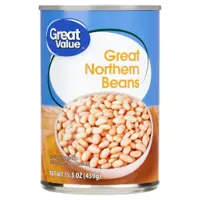
Great Value is carried at Walmart stores. Find one within 25 miles.
At a glance
Summary
This product contains prepared beans, which are a good source of protein and fiber, contributing positively to its nutritional profile. However, the presence of refined lard, a processed fat, and the overall processing level limit its health benefits. The use of refined lard, which is high in saturated fats, and the processed nature of the product prevent it from achieving a higher score.
Key ingredients 9
Prepared BeansGood
Prepared beans are a good source of protein and fiber, contributing to a balanced diet. They are minimally processed and retain most of their natural nutrients. Beans are known for their ability to support digestive health and provide sustained energy.
Benefits
Rich in protein and fiber, which support muscle health and digestive function. Beans also provide essential vitamins and minerals, including iron and folate.
Garlic PowderGood
Concentrated whole-food seasoning.
Benefits
Contains compounds that may support heart health and immune function.
WaterNeutral
Water is used as a solvent and to adjust the consistency of the product. It is a neutral ingredient with no direct nutritional impact. Water is essential for hydration but does not contribute calories or nutrients in this context.
See more about Water →SaltNeutral
Salt is used to enhance flavor and preserve the product. It is a common additive in processed foods but should be consumed in moderation to avoid health issues. Excessive salt intake can lead to hypertension and other cardiovascular problems.
Risks
High sodium intake is associated with increased blood pressure and cardiovascular risk.
Benefits
Enhances flavor and acts as a preservative.
VinegarNeutral
Vinegar is used for flavoring and as a preservative. It is a natural ingredient with minimal processing. Vinegar can add acidity and enhance the taste profile of foods.
Benefits
May aid in digestion and enhance flavor.
Onion PowderNeutral
Onion powder is used for flavoring and is derived from dehydrated onions. It retains some of the nutritional benefits of fresh onions but in a concentrated form. Onion powder can enhance the savory profile of dishes.
Benefits
Provides flavor and some antioxidants found in fresh onions.
SpiceNeutral
Spice is a generic term for various flavoring agents used in small quantities. The specific spices used are not detailed, which limits precise analysis. Spices generally enhance flavor and may offer some health benefits depending on the type.
Benefits
May provide antioxidants and enhance flavor.
Chili PepperNeutral
Chili pepper is used for its spicy flavor and is a natural ingredient. It contains capsaicin, which can have metabolic and anti-inflammatory effects. Chili peppers can enhance the flavor profile of foods.
Risks
May cause irritation or discomfort in sensitive individuals.
Benefits
Contains capsaicin, which may boost metabolism and reduce inflammation.
Refined LardBad
Refined lard is a source of saturated fat, which can contribute to heart disease if consumed in excess. It is processed to remove impurities and extend shelf life, but this can reduce its nutritional quality. Compared to healthier fats, lard lacks beneficial omega-3 fatty acids.
Risks
High intake of saturated fats may increase the risk of cardiovascular diseases.
Benefits
Provides a source of energy and can enhance the flavor of foods.
Processing
Processed Foods
Get the full breakdown in the Scout appTake Scout shopping
Scan any product to see lab results, healthy alternatives, and your personalized analysis.
Download on theApp Store GET IT ONGoogle Play