



At a glance
Summary
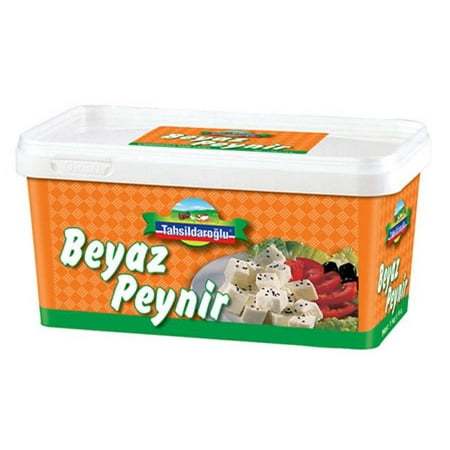
This feta cheese is made from pasteurized milk, salt, cheese culture, and enzymes, with potato starch added to prevent caking. The ingredient list is relatively clean, with no artificial additives or seed oils, which is positive. However, the presence of potato starch and the processing level limit its score compared to more traditional cheeses with fewer ingredients.
Key ingredients 5
Pasteurized milkGood
Pasteurized milk is a primary ingredient in cheese, providing essential nutrients like calcium and protein. The pasteurization process ensures safety by eliminating harmful bacteria. It is a high-quality source of animal-based protein, which is beneficial for muscle maintenance.
Benefits
Rich in calcium and protein, supporting bone health and muscle maintenance. Provides essential vitamins and minerals necessary for overall health.
Cheese cultureGood
Beneficial ingredient — whole-food or functional value in this product class.
Benefits
Essential for developing the characteristic flavor and texture of cheese.
SaltNeutral
Salt is used in cheese for flavor and preservation. It is a common ingredient in many processed foods and is necessary for the cheese-making process. While it enhances taste, excessive consumption can lead to health issues such as high blood pressure.
Risks
High sodium intake can contribute to hypertension and cardiovascular diseases.
Benefits
Enhances flavor and acts as a preservative in cheese, extending shelf life.
EnzymesNeutral
Enzymes are used in cheese-making to coagulate milk, forming curds. They are a natural part of the cheese production process. While necessary for cheese formation, they do not contribute additional nutritional value.
Benefits
Crucial for the cheese-making process, aiding in milk coagulation and curd formation.
Potato starchNeutral
Potato starch is added to prevent caking in crumbled cheese products. It is a common anti-caking agent that helps maintain the product's texture. While it serves a functional purpose, it does not provide nutritional benefits.
Benefits
Prevents caking and clumping, ensuring the cheese remains easy to use and measure.
Processing
Processed Foods
Get the full breakdown in the Scout appTake Scout shopping
Scan any product to see lab results, healthy alternatives, and your personalized analysis.
Download on theApp Store GET IT ONGoogle Play