
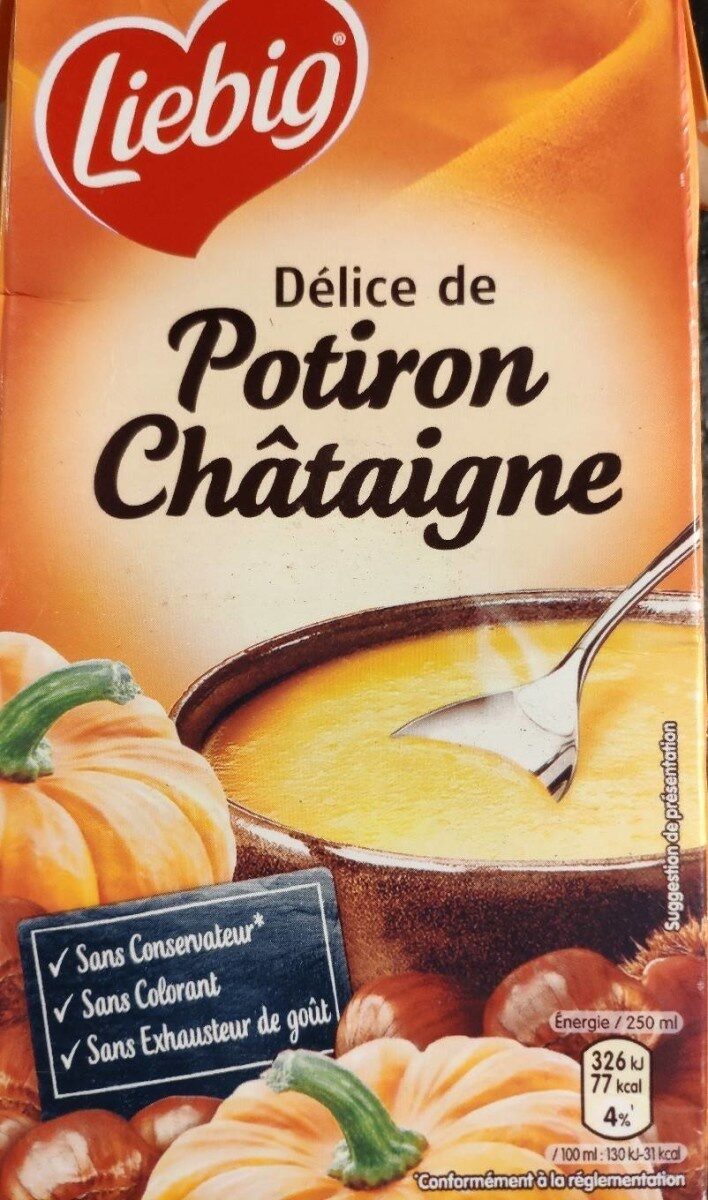

Delice de potiron de châtaigne
Analysis updated August 2026 · How Scout scores
At a glance
Summary
This product contains a variety of beneficial ingredients such as rehydrated pumpkin, pumpkin puree, carrots, and chestnut pieces, which are minimally processed and provide essential nutrients. However, the presence of natural flavors, which are processed and lack transparency, slightly detracts from the overall clean label. The product is moderately processed, which limits its maximum potential score.
Key ingredients 13
Rehydrated PumpkinGood
Rehydrated pumpkin is a good source of vitamins and fiber. It retains many of the nutrients found in fresh pumpkin. The rehydration process helps preserve its nutritional profile.
Benefits
Rich in beta-carotene, which is beneficial for eye health and immune function.
Pumpkin PureeGood
Pumpkin puree is a concentrated source of nutrients like vitamin A and fiber. It is minimally processed, retaining most of the natural benefits of pumpkin. It adds a creamy texture and natural sweetness to the product.
Benefits
Provides antioxidants and dietary fiber, supporting digestive health and reducing inflammation.
CarrotGood
Carrots are rich in beta-carotene and fiber, contributing to overall health. They are minimally processed and retain their nutritional value. Carrots add natural sweetness and color to the product.
Benefits
High in antioxidants and vitamins, supporting vision and immune health.
PotatoGood
Beneficial ingredient — whole-food or functional value in this product class.
Benefits
Provides energy and some essential nutrients, though not particularly nutrient-dense.
Chestnut PiecesGood
Chestnut pieces are a source of fiber and vitamins like vitamin C. They are minimally processed and retain their nutritional benefits. They add texture and a nutty flavor to the product.
Benefits
Rich in fiber and low in fat, supporting digestive health.
CreamGood
Traditional whole-fat dairy ingredient.
Risks
High in saturated fat, which may impact heart health if consumed in excess.
Benefits
Adds a creamy texture and flavor, with some calcium and vitamin A content.
Chestnut FlourGood
Chestnut flour is a gluten-free flour alternative rich in fiber and vitamins. It is minimally processed and retains the nutritional benefits of chestnuts. It adds a unique flavor and nutritional boost to the product.
Benefits
Provides fiber and is a good source of vitamins, supporting digestive health.
WaterNeutral
Water is a neutral ingredient used as a base or solvent in many food products. It does not provide nutritional value but is essential for hydration. In this product, it serves as a medium for other ingredients.
See more about Water →Rehydrated PotatoNeutral
Rehydrated potato provides carbohydrates and some vitamins. It is a processed form of potato, which may reduce some nutrient content. It serves as a filler and thickener in the product.
Benefits
Provides energy through carbohydrates but lacks significant additional nutritional benefits.
Tomato Juice From ConcentrateNeutral
Tomato juice from concentrate provides flavor and some nutrients like lycopene. The concentration process may reduce some vitamin content. It adds acidity and enhances the flavor profile of the product.
Benefits
Contains lycopene, an antioxidant that may support heart health.
Corn StarchNeutral
Corn starch is used as a thickening agent in foods. It is a processed carbohydrate with minimal nutritional value. It helps achieve the desired consistency in the product.
See more about Corn Starch →SaltNeutral
Salt is used for flavor enhancement and preservation. It is a common ingredient in processed foods. While necessary for bodily functions, excessive intake can lead to health issues.
Risks
Excessive sodium intake can contribute to hypertension and cardiovascular issues.
Benefits
Essential for maintaining fluid balance and nerve function.
Natural FlavorsBad
Natural flavors are often used to enhance taste but lack transparency in their composition. They are processed and can contain a variety of chemical compounds. This lack of clarity can be concerning for consumers seeking clean labels.
Risks
Potential allergens or sensitivities due to undisclosed components.
Processing
Processed Foods
Get the full breakdown in the Scout appTake Scout shopping
Scan any product to see lab results, healthy alternatives, and your personalized analysis.
Download on theApp Store GET IT ONGoogle Play