
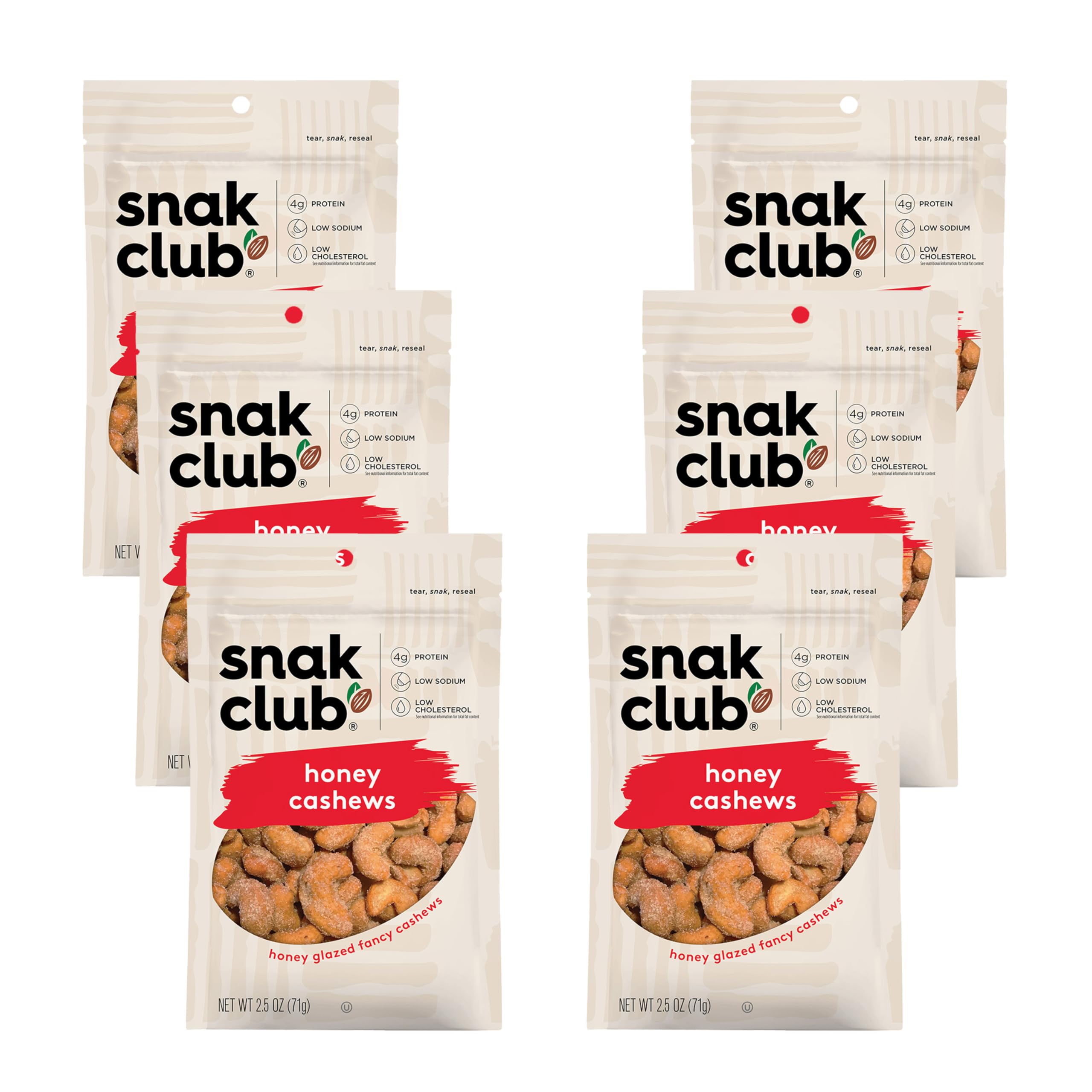


At a glance
Summary
The salted cashews are penalized due to the inclusion of vegetable oils, which are often highly processed and can promote inflammation due to their omega-6 fatty acid content. While cashews themselves are nutrient-dense and provide healthy fats, the use of potentially inflammatory oils and the product's processing level limit its healthfulness compared to minimally processed nuts.
Key ingredients 3
CashewsGood
Cashews are a nutrient-dense nut rich in healthy fats, protein, and essential minerals like magnesium and zinc. They provide beneficial monounsaturated fats that support heart health. Cashews are minimally processed and offer a good source of plant-based protein.
Risks
Cashews can be allergenic for some individuals, potentially causing allergic reactions.
Benefits
Rich in monounsaturated fats and essential minerals, cashews support heart health and provide a good source of plant-based protein.
Sea SaltGood
Sea salt is a minimally processed source of sodium and trace minerals, making it a healthier alternative to refined table salt. It retains natural minerals that can contribute to electrolyte balance. Sea salt is less processed than regular salt, preserving its natural mineral content.
Risks
Excessive consumption of salt can lead to high blood pressure and other cardiovascular issues.
Benefits
Provides essential sodium and trace minerals that support electrolyte balance and overall health.
Vegetable OilVery Bad
Vegetable oil, which may include canola, peanut, or sunflower oil, is considered very bad due to its high omega-6 fatty acid content and potential for promoting inflammation. These oils are often highly processed and refined, which can degrade their nutritional quality. The extraction and refining process can also introduce harmful compounds.
Risks
High omega-6 content may promote inflammation when consumed in excess, and the refining process can introduce harmful compounds.
Processing
Processed Foods
Get the full breakdown in the Scout appTake Scout shopping
Scan any product to see lab results, healthy alternatives, and your personalized analysis.
Download on theApp Store GET IT ONGoogle Play