


At a glance
Summary
This product contains peanuts, which are a nutrient-dense food rich in healthy fats, protein, and fiber, contributing positively to its nutritional profile. However, the presence of added sugar and corn syrup solids, both of which are processed sweeteners, detracts from its healthfulness by potentially leading to rapid spikes in blood sugar levels. The product's processing level further limits its score, as it includes multiple additives such as maltodextrin and natural flavors.
Key ingredients 12
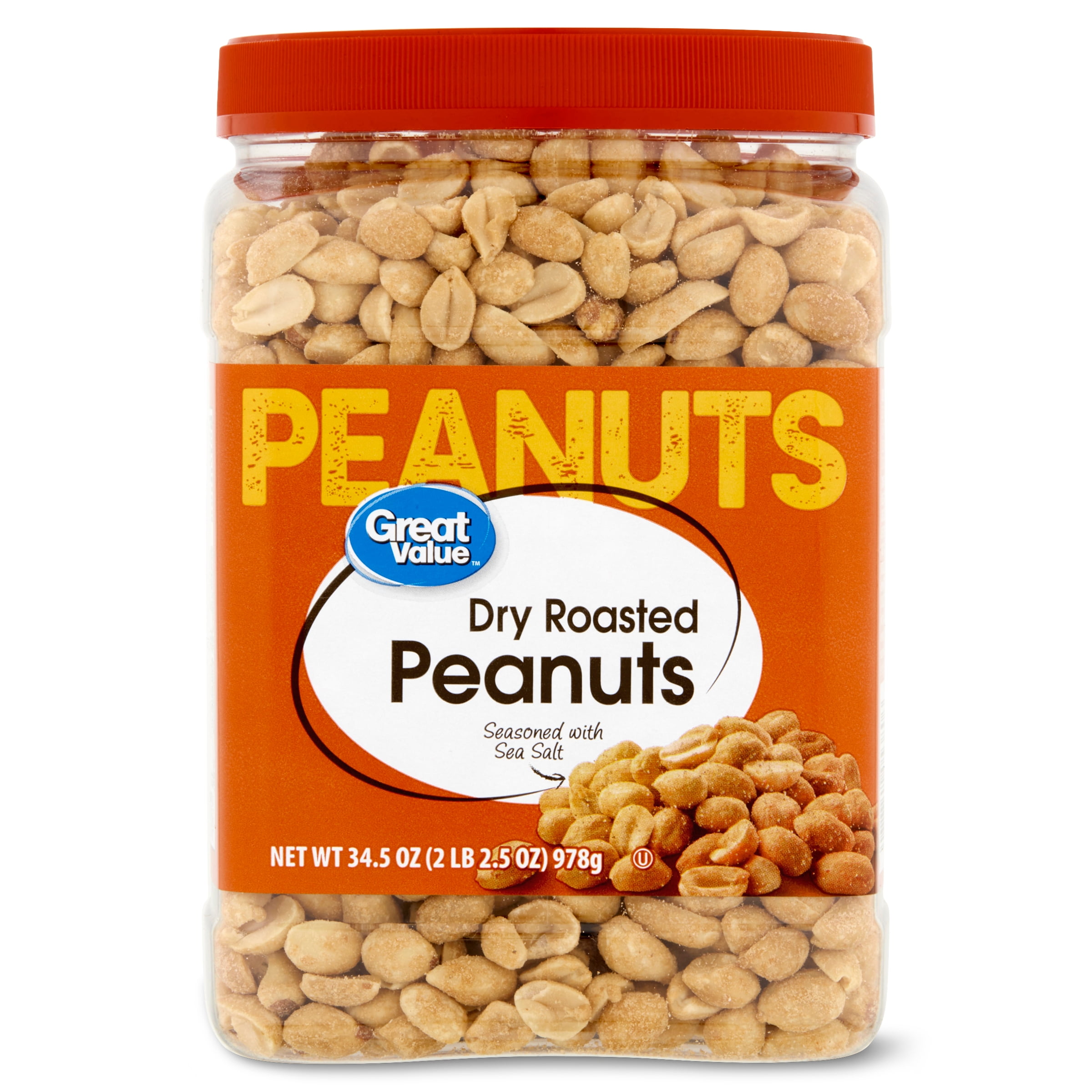
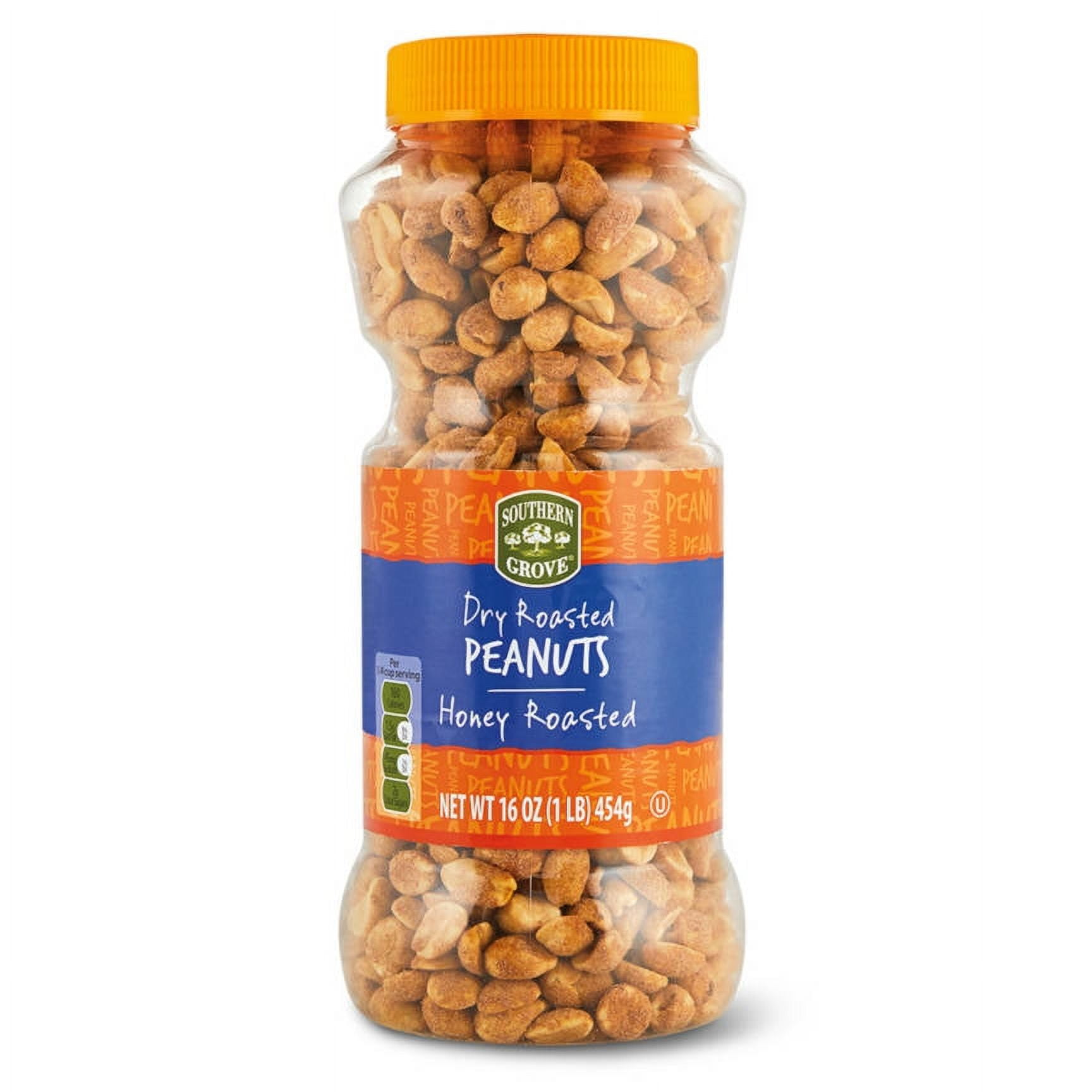
PeanutsGood
Peanuts are a nutrient-dense food rich in healthy fats, protein, and fiber. They provide essential vitamins and minerals such as vitamin E, magnesium, and niacin. As a whole food, they contribute to heart health and satiety.
Risks
Peanuts can be a common allergen and may cause severe allergic reactions in sensitive individuals.
Benefits
Rich in monounsaturated fats and protein, supporting heart health and muscle maintenance. Contains antioxidants that may reduce inflammation.
Sea saltGood
Sea salt is a minimally processed source of sodium and trace minerals. It enhances flavor without the additives found in refined table salt. Its natural mineral content can support electrolyte balance.
Risks
Excessive sodium intake can lead to high blood pressure and cardiovascular issues.
Benefits
Provides essential sodium and trace minerals that support hydration and nerve function.
SpicesGood
Spices add flavor and can provide antioxidants and anti-inflammatory compounds. They enhance the taste of foods naturally without added calories. Their use in moderation can support overall health.
Benefits
Rich in antioxidants and can support metabolic health and flavor enhancement.
PaprikaGood
Paprika is a spice rich in antioxidants, particularly carotenoids. It adds flavor and color to foods naturally. Its antioxidant properties can support immune health.
Benefits
Contains antioxidants that may support eye health and reduce inflammation.
Onion powderGood
Onion powder is a dehydrated form of onion that retains its flavor and some nutrients. It is used to enhance flavor in foods. Its compounds may have anti-inflammatory and antioxidant effects.
Benefits
May provide antioxidants and support heart health through its sulfur compounds.
Garlic powderGood
Garlic powder is a concentrated form of garlic that retains its beneficial compounds. It is known for its potential cardiovascular benefits and immune support. Its use in foods can enhance flavor and provide health benefits.
Benefits
Contains allicin, which may support heart health and immune function.
Corn starchNeutral
Corn starch is a refined carbohydrate used as a thickening agent. It provides no significant nutrients but is commonly used in food processing. Its impact on health is generally neutral when consumed in moderation.
Risks
Excessive consumption can contribute to high calorie intake without nutritional benefits.
Torula yeastNeutral
Torula yeast is used as a flavor enhancer and is a source of protein and B vitamins. It is often used in processed foods for its umami flavor. Its health impact is generally neutral, providing some nutritional value.
Risks
May cause allergic reactions in sensitive individuals.
Benefits
Provides protein and B vitamins, contributing to nutritional intake.
SugarBad
Refined sugar is a high-calorie ingredient with no essential nutrients. It can contribute to weight gain and metabolic issues when consumed in excess. Its presence in processed foods is often linked to increased risk of chronic diseases.
Risks
High sugar intake is associated with obesity, type 2 diabetes, and dental cavities.
Corn syrup solidsBad
Corn syrup solids are a processed sweetener with a high glycemic index. They can lead to rapid spikes in blood sugar levels. Their use in processed foods is linked to increased calorie intake and potential metabolic issues.
Risks
May contribute to insulin resistance and obesity when consumed in large amounts.
Natural flavorBad
Umbrella term that can hide dozens of undisclosed synthetic constituents.
Risks
Lack of transparency in ingredient composition may be a concern for some consumers.
MaltodextrinBad
Processed additive flagged under Scout's ingredient doctrine.
Risks
May cause blood sugar spikes and digestive issues in sensitive individuals.
Processing
Processed Foods
Get the full breakdown in the Scout appTake Scout shopping
Scan any product to see lab results, healthy alternatives, and your personalized analysis.
Download on theApp Store GET IT ONGoogle Play