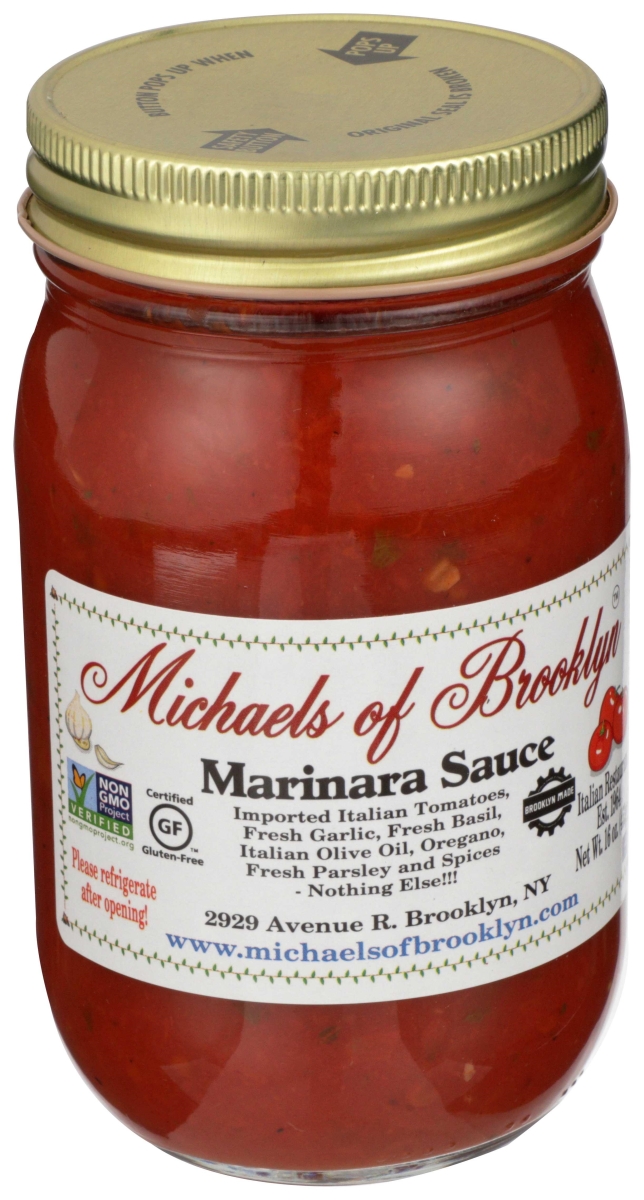
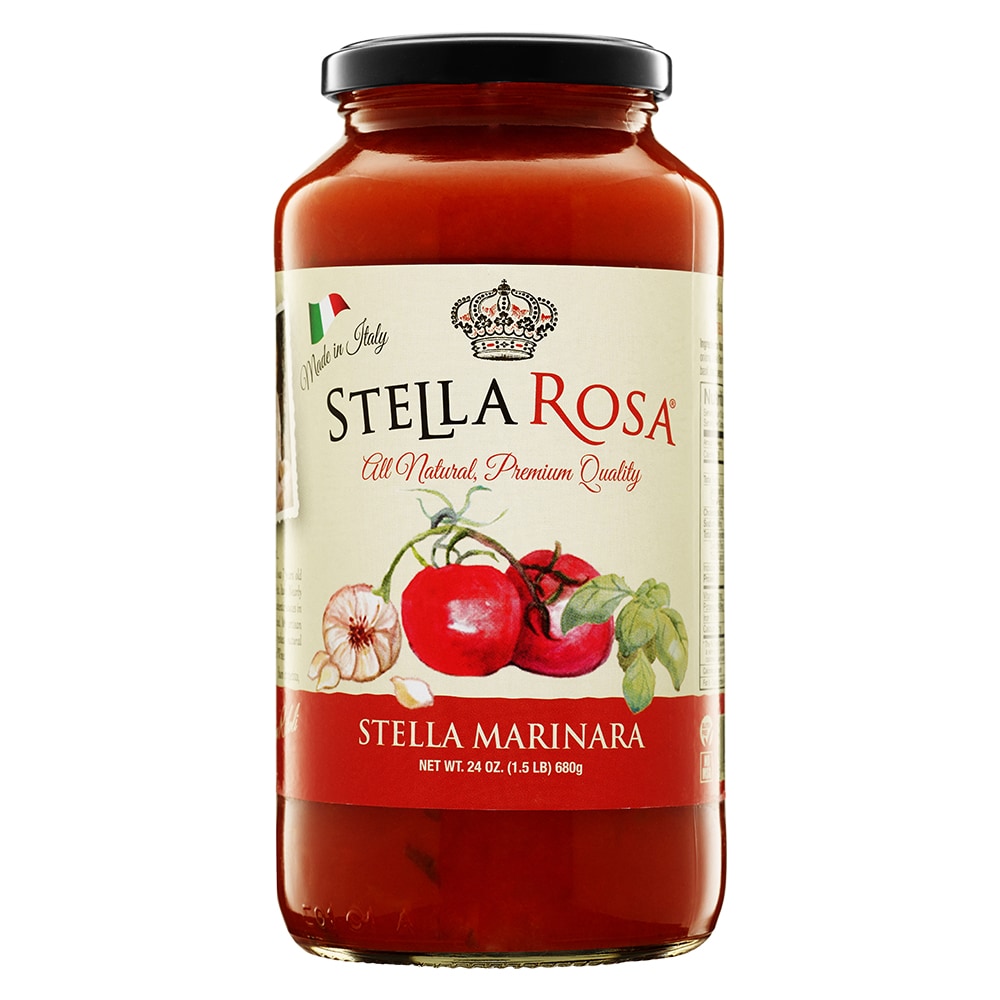
STELLA MARINARA
At a glance
Summary
This marinara sauce is made from whole, minimally processed ingredients - tomatoes, tomato puree, tomato paste, extra virgin olive oil, basil, garlic, and black pepper - with only citric acid as a mild preservative/acidifier. The use of extra virgin olive oil instead of a seed oil, combined with the lycopene-rich tomato base and whole herbs/spices, reflects a clean, traditional recipe with excellent nutritional density. The minimal additive load and recognizable, authentic ingredient list allow this product to exceed typical caps for its processing category.
Key ingredients 8
Extra Virgin Olive OilVery Good
Extra virgin olive oil is a high-quality, minimally processed fat rich in monounsaturated fatty acids and polyphenolic antioxidants. Being cold-pressed rather than chemically extracted, it retains vitamin E and anti-inflammatory compounds like oleocanthal that are associated with cardiovascular benefits. Its use here, instead of a seed oil, is a strong positive quality marker for this sauce.
Benefits
Supports heart health through monounsaturated fats and provides antioxidant and anti-inflammatory polyphenols linked to reduced chronic disease risk.
TomatoesGood
Whole tomatoes and tomato puree form the base of this sauce and are a minimally processed whole food rich in lycopene, vitamin C, and potassium. Lycopene is a powerful carotenoid antioxidant linked to cardiovascular and prostate health, and its bioavailability actually increases when tomatoes are cooked and combined with olive oil, as in this product. The inclusion of tomato puree alongside whole tomatoes simply concentrates the same nutrient profile without adding refined sugars or fillers.
Benefits
Excellent source of lycopene, vitamin C, and potassium, supporting heart health and antioxidant status, with enhanced lycopene absorption when cooked with olive oil.
Tomato PasteGood
Tomato paste is a concentrated form of tomatoes made by cooking down and reducing tomato pulp, which further concentrates lycopene and other antioxidants. It adds body and depth of flavor to the sauce without introducing added sugars, starches, or preservatives beyond what's already accounted for. This is a traditional, minimally processed ingredient common in authentic marinara recipes.
Benefits
Concentrated source of lycopene and antioxidants that contribute to the sauce's nutritional density and rich tomato flavor.
BasilGood
Basil is a fresh culinary herb that contributes flavonoids, volatile oils, and antioxidants such as eugenol, which have mild anti-inflammatory properties. It is used here in its whole, unprocessed form rather than as an extract or flavoring agent, preserving its natural nutrient and aromatic profile. Herbs like basil also help reduce reliance on added salt for flavor.
Benefits
Provides antioxidants and aromatic compounds that enhance flavor naturally while contributing modest anti-inflammatory benefits.
GarlicGood
Garlic is a whole food ingredient rich in sulfur compounds like allicin, which have documented cardiovascular and immune-supportive properties. It is used here as a fresh or dried whole ingredient rather than a processed garlic powder extract or flavoring, preserving more of its beneficial bioactive compounds. Garlic also contributes robust flavor, reducing the need for excess salt or artificial flavorings.
Risks
May cause mild digestive discomfort or breath odor in some individuals; no major health risks otherwise.
Benefits
Supports cardiovascular and immune health through sulfur-containing compounds like allicin, and enhances flavor naturally.
Black PepperGood
Black pepper is a whole spice containing piperine, a bioactive compound shown to enhance the absorption of certain nutrients, including curcumin and some antioxidants. It is minimally processed, typically just dried and ground, and adds flavor complexity without the need for artificial seasoning blends. Its presence here reflects a clean, traditional ingredient list.
Benefits
Piperine content may enhance nutrient bioavailability and contributes antioxidant properties alongside flavor enhancement.
Citric AcidNeutral
Citric acid (E330) is used here as a natural acidity regulator and preservative to balance the pH of canned tomatoes and extend shelf stability. It is typically produced via fermentation of sugars by Aspergillus niger mold rather than extracted directly from citrus fruit, making it a common, well-studied food-grade additive. It has a long history of safe use and is naturally present in citrus fruits themselves.
Risks
Generally recognized as safe; very high intakes in sensitive individuals may occasionally contribute to tooth enamel erosion or mild digestive irritation.
Benefits
Helps preserve freshness and stabilize flavor and color of the tomato base without relying on synthetic preservatives.
SaltNeutral
This is listed simply as 'salt' without specification as an unrefined sea or mineral salt, so it is treated as standard refined table salt providing sodium chloride for flavor and preservation. It contributes to the product's overall sodium content, which at 0.82g per 100g is moderate for a condiment. Salt is a functional seasoning ingredient necessary for flavor balance in tomato-based sauces.
Risks
Excess sodium intake from salted condiments can contribute to elevated blood pressure in sodium-sensitive individuals; total sodium content should be considered in the context of overall daily intake.
Benefits
Provides essential sodium for electrolyte balance and enhances the overall flavor profile of the sauce.
Processing
Processed Foods
Get the full breakdown in the Scout appTake Scout shopping
Scan any product to see lab results, healthy alternatives, and your personalized analysis.
Are you Stella? Fix an error Get the badge Get tested