
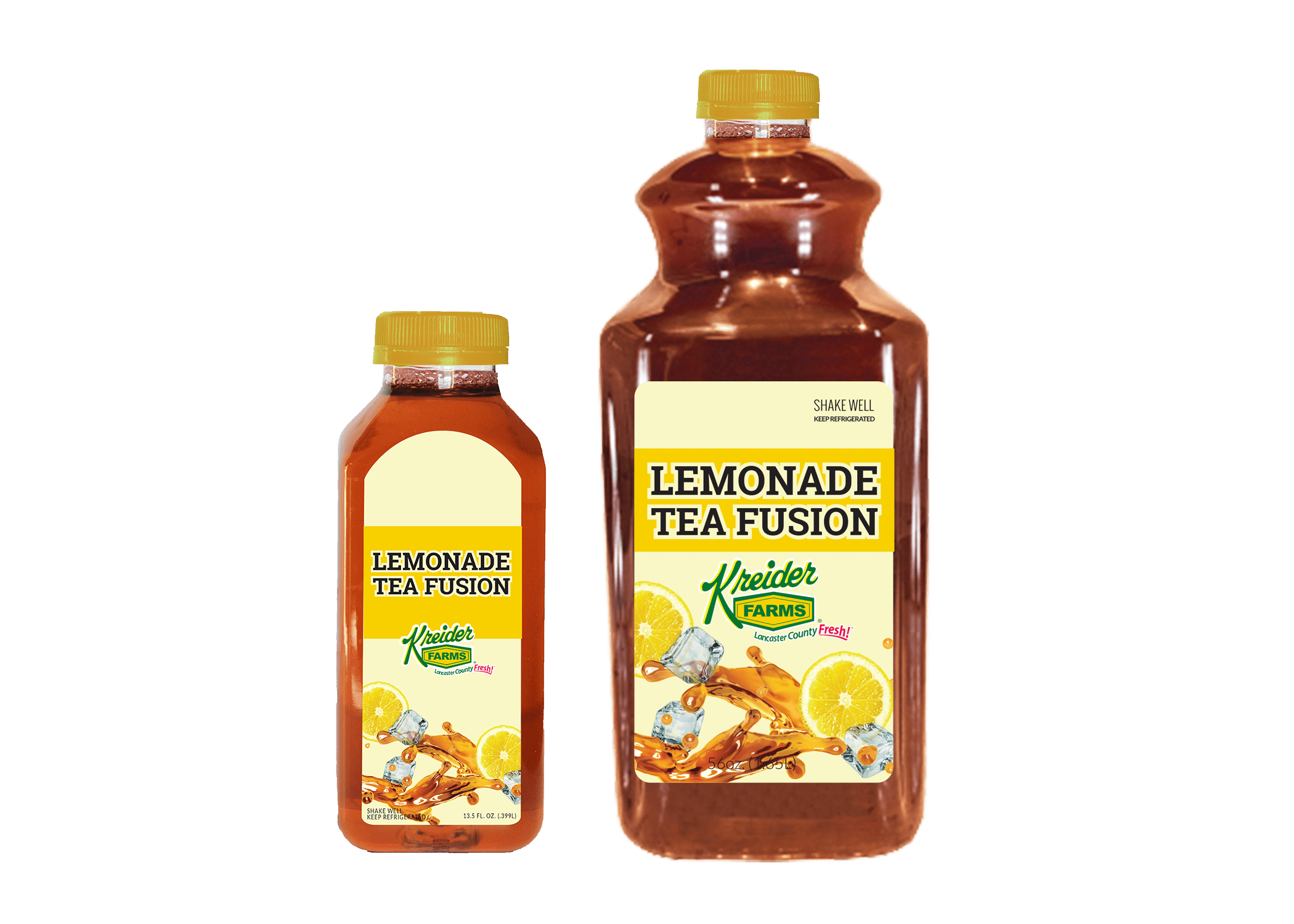



At a glance
Summary
This beverage contains a significant amount of added sugars, which can contribute to excessive calorie intake and potential health issues. The presence of natural flavors and potassium sorbate indicates a moderate level of processing, which detracts from the overall healthiness of the product. While it includes beneficial ingredients like tea and lemon juice solids, the high sugar content and use of preservatives limit its nutritional value.
Key ingredients 10
Lemon/Orange Juice Concentrate BlendGood
This blend provides natural fruit flavors and some vitamins, such as vitamin C. Concentrates are processed but retain some nutritional value from the original fruit. They contribute to the beverage's flavor profile and potential antioxidant content.
Risks
Concentrates may contain added sugars and lose some nutrients during processing.
Benefits
Provides natural fruit flavors and some vitamins, contributing to the beverage's nutritional profile.
TeaGood
Tea is a source of antioxidants, which can provide health benefits such as reducing inflammation and supporting heart health. It is minimally processed and contributes to the beverage's flavor and potential health benefits. The presence of tea can enhance the beverage's nutritional profile.
Benefits
Rich in antioxidants that may support heart health and reduce inflammation.
Lemon Juice SolidsGood
Lemon juice solids provide natural lemon flavor and some vitamin C. They are derived from lemon juice and retain some nutritional properties. They enhance the beverage's flavor and potential antioxidant content.
Benefits
Provides natural lemon flavor and some vitamin C, contributing to the beverage's nutritional profile.
WaterNeutral
Water is a neutral ingredient that serves as the base for the beverage. It is essential for hydration and does not contribute calories or nutrients. As a primary component, it helps dilute other ingredients.
See more about Water →Citric AcidNeutral
Citric acid is used as a preservative and to add tartness to the beverage. It is naturally found in citrus fruits and is generally recognized as safe. It helps maintain the product's freshness and flavor.
Risks
Excessive consumption may cause dental erosion.
Sodium CitrateNeutral
Sodium citrate is used as an acidity regulator and preservative. It is a salt of citric acid and is generally recognized as safe. It helps stabilize the beverage's pH and enhances flavor.
See more about Sodium Citrate →Cane SugarBad
Cane sugar is a source of added sugars, which can contribute to excessive calorie intake and potential weight gain. It is processed and lacks nutritional benefits beyond energy. High consumption of added sugars is linked to various health issues.
Risks
Excessive intake of added sugars can lead to obesity, type 2 diabetes, and heart disease.
Natural FlavorsBad
Natural flavors are often used to enhance taste but can be highly processed and lack transparency. They do not provide nutritional benefits and may contain undisclosed additives. The term 'natural' can be misleading as it does not guarantee minimal processing.
Risks
Potential for undisclosed additives and allergens; lack of transparency in ingredient sourcing.
SugarBad
Sugar is an added sweetener that contributes to the overall sugar content of the beverage. It is processed and provides empty calories without essential nutrients. High sugar intake is associated with various health issues.
Risks
Excessive sugar consumption can lead to obesity, dental cavities, and metabolic disorders.
Potassium SorbateBad
Potassium sorbate is a preservative used to extend shelf life by inhibiting mold and yeast growth. It is synthetically produced and does not provide nutritional benefits. Some individuals may experience allergic reactions or sensitivities.
Risks
Potential for allergic reactions or sensitivities in some individuals.
Processing
Processed Foods
Get the full breakdown in the Scout appTake Scout shopping
Scan any product to see lab results, healthy alternatives, and your personalized analysis.
Download on theApp Store GET IT ONGoogle Play