



At a glance
Summary
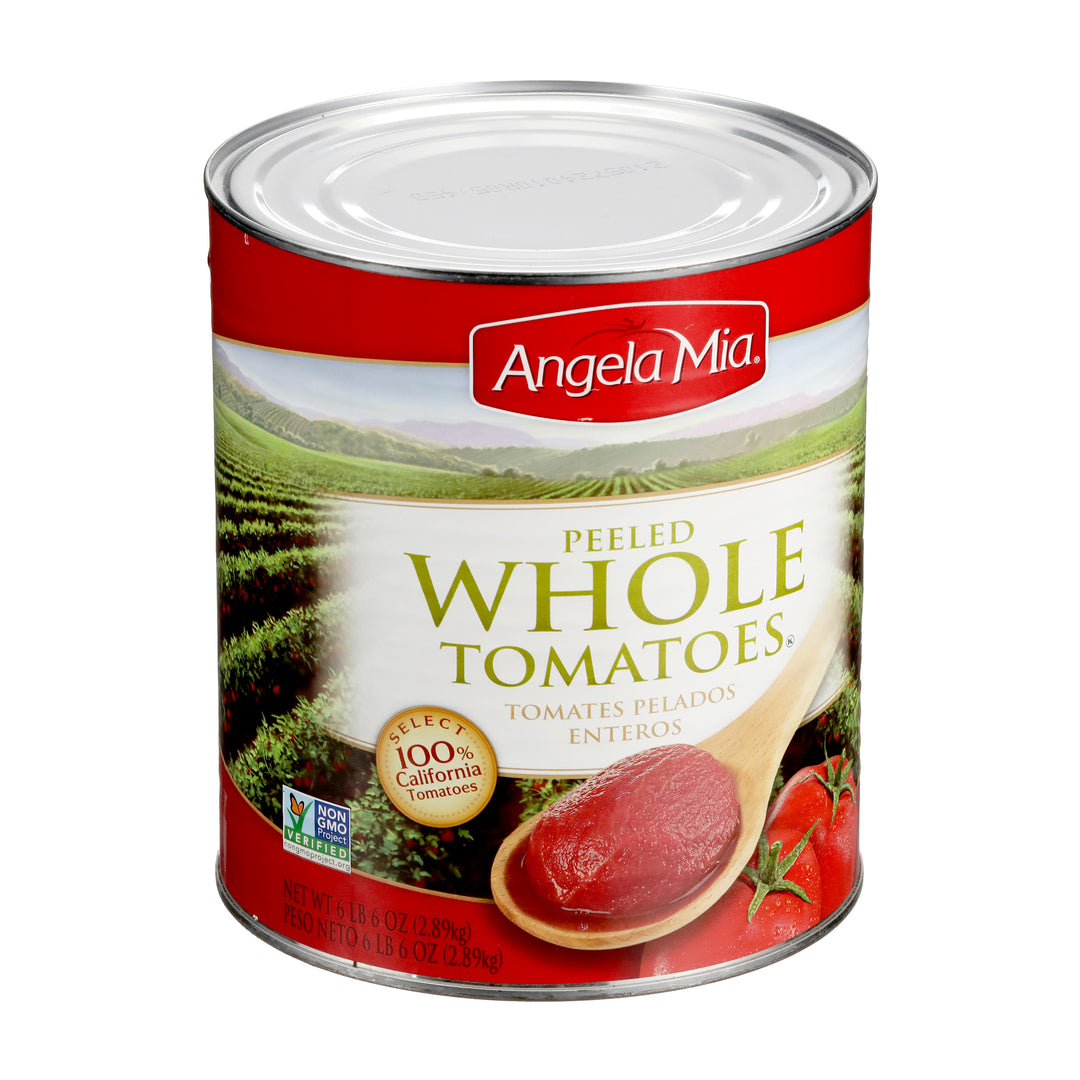
This product consists primarily of whole tomatoes and tomato juice, which are minimally processed and retain most of their natural nutrients. The ingredient list is short and clean, with only a small amount of salt and citric acid used as a preservative. Despite being processed, the absence of harmful additives or seed oils contributes to a favorable rating within its category.
Key ingredients 5
TomatoesVery Good
Tomatoes are a rich source of vitamins, minerals, and antioxidants, particularly lycopene, which is linked to numerous health benefits. They are minimally processed in this product, retaining most of their natural nutrients. The use of whole tomatoes ensures a high-quality ingredient with significant nutritional value.
Benefits
Rich in vitamins C and K, folate, and potassium. Lycopene content may reduce the risk of heart disease and certain cancers.
Tomato juiceGood
Tomato juice provides additional vitamins and minerals, complementing the whole tomatoes. It is typically used to preserve the tomatoes and enhance flavor. The juice is a natural product with minimal processing, maintaining its nutritional benefits.
Benefits
Contains vitamins A and C, and antioxidants that support immune function and skin health.
SaltNeutral
Salt is used as a preservative and flavor enhancer in canned foods. It is a common ingredient that helps maintain the product's shelf life. While necessary for flavor, excessive consumption can lead to health issues.
Risks
High sodium intake can contribute to hypertension and cardiovascular diseases.
Benefits
Essential for maintaining fluid balance and nerve function in the body.
Calcium chlorideNeutral
Calcium chloride is used as a firming agent in canned tomatoes to maintain texture. It is a common food additive that is generally recognized as safe. It does not significantly alter the nutritional profile of the product.
Benefits
Helps maintain the firmness and texture of canned tomatoes.
Citric acidNeutral
Citric acid is used as a preservative and to enhance the acidity of the product, which helps prevent spoilage. It is naturally found in citrus fruits and is widely used in food processing. The addition of citric acid does not significantly impact the nutritional value of the product.
Benefits
Acts as a natural preservative and can enhance flavor by adding a slight tartness.
Processing
Processed Foods
Get the full breakdown in the Scout appTake Scout shopping
Scan any product to see lab results, healthy alternatives, and your personalized analysis.
Download on theApp Store GET IT ONGoogle Play