

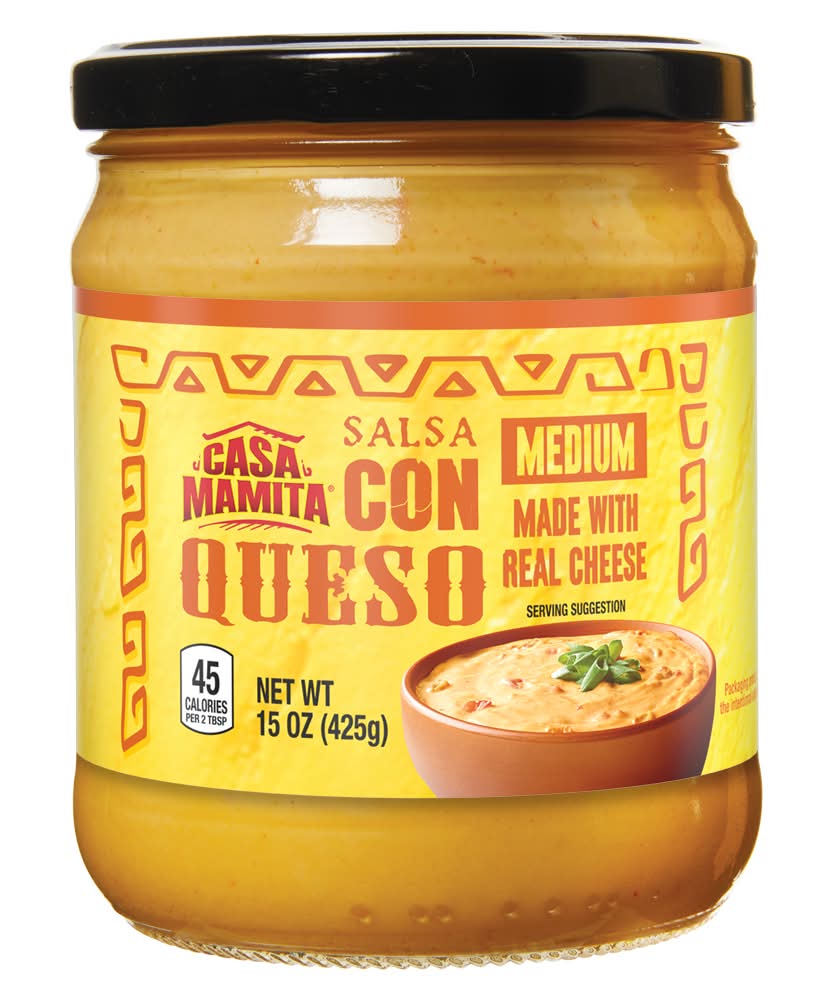


Organic white queso
Analysis updated June 2026 · How Scout scores
At a glance
Summary
This organic white queso contains several beneficial organic ingredients such as cream, nonfat dry milk, and bell peppers, which contribute to its nutritional value. However, it is classified as ultra-processed due to the presence of synthetic additives like disodium phosphate and sodium phosphate, which are used as emulsifiers and stabilizers. The processing level and presence of these additives limit the product's overall health score.
Key ingredients 14
Organic creamGood
Organic cream is a high-quality dairy product that provides rich flavor and texture. Being organic, it is free from synthetic pesticides and hormones. It contributes beneficial fats and fat-soluble vitamins to the product.
Risks
May contribute to high calorie and saturated fat intake if consumed in excess.
Benefits
Rich in fat-soluble vitamins such as A, D, E, and K, and provides a creamy texture and flavor.
Organic nonfat dry milkGood
Organic nonfat dry milk is a dehydrated form of milk that retains most of the nutrients found in fresh milk. It is a good source of protein and calcium. Being organic, it is produced without synthetic additives or hormones.
Benefits
Provides protein and calcium, essential for bone health and muscle function.
Organic green bell peppersGood
Organic green bell peppers are a source of vitamins and antioxidants. They add flavor and nutritional value to the product. Being organic, they are grown without synthetic pesticides.
Benefits
Rich in vitamin C and antioxidants, supporting immune function and reducing oxidative stress.
Organic red bell peppersGood
Organic red bell peppers are high in vitamins and antioxidants, contributing to the product's flavor and nutritional profile. They are grown without synthetic pesticides, enhancing their health benefits.
Benefits
High in vitamin C and beta-carotene, supporting immune health and vision.
Organic white cheddar cheeseGood
Organic white cheddar cheese provides protein and calcium, essential for bone health. It is made from organic milk, ensuring it is free from synthetic hormones and pesticides. The cheese cultures enhance flavor and digestibility.
Risks
May contribute to high calorie and saturated fat intake if consumed in excess.
Benefits
Rich in protein and calcium, supporting bone health and muscle function.
Organic pasteurized part-skim milkGood
Organic pasteurized part-skim milk is a source of protein and calcium with reduced fat content. Being organic, it is free from synthetic hormones and pesticides. Pasteurization ensures safety by eliminating harmful bacteria.
Benefits
Provides essential nutrients like protein and calcium with lower fat content.
WaterNeutral
Water is a neutral ingredient used as a base or solvent in many food products. It does not contribute any nutritional value but is essential for consistency and texture. In this product, it helps to achieve the desired creamy texture.
See more about Water →Organic cornstarchNeutral
Organic cornstarch is used as a thickening agent in food products. It is derived from organic corn, ensuring it is free from GMOs and synthetic pesticides. It does not contribute significant nutritional value.
SaltNeutral
Salt is used to enhance flavor and preserve food. It is a common ingredient in cheese products. While necessary for flavor, excessive consumption can lead to health issues.
Risks
Excessive intake may contribute to high blood pressure and cardiovascular issues.
Benefits
Enhances flavor and acts as a preservative.
Microbial enzymesNeutral
Microbial enzymes are used in cheese production to aid in coagulation. They are derived from microbial sources, making them suitable for vegetarian products. They do not contribute significant nutritional value.
Benefits
Facilitates cheese production and is suitable for vegetarians.
Annatto extractNeutral
Annatto extract is a natural colorant derived from the seeds of the achiote tree. It is used to impart a yellow or orange color to foods. It is considered safe and natural compared to synthetic dyes.
Benefits
Provides natural coloring without synthetic additives.
EmulsifierNeutral
Emulsifiers are used to stabilize and maintain the texture of processed foods. They help blend ingredients that typically do not mix well. While they do not provide nutritional benefits, they are essential for product consistency.
Benefits
Ensures consistent texture and prevents separation of ingredients.
Disodium phosphateBad
Disodium phosphate is used as an emulsifier and stabilizer in processed foods. It is a synthetic additive that can contribute to the ultra-processed nature of the product. Excessive intake may affect kidney function.
Risks
May contribute to imbalances in phosphate levels, affecting kidney health.
Benefits
Helps maintain texture and consistency in processed foods.
Sodium phosphateBad
Sodium phosphate is used as an emulsifier and stabilizer in processed foods. It is a synthetic additive that can contribute to the ultra-processed nature of the product. Excessive intake may affect kidney function.
Risks
May contribute to imbalances in phosphate levels, affecting kidney health.
Benefits
Helps maintain texture and consistency in processed foods.
Processing
Ultra-Processed Foods
Get the full breakdown in the Scout appTake Scout shopping
Scan any product to see lab results, healthy alternatives, and your personalized analysis.
Download on theApp Store GET IT ONGoogle PlayAmazon pricing & content
Amazon price as of . Product prices and availability are accurate as of the date/time indicated and are subject to change. Any price and availability information displayed on Amazon.com at the time of purchase will apply to the purchase of this product.
CERTAIN CONTENT THAT APPEARS ON THIS SITE COMES FROM AMAZON. THIS CONTENT IS PROVIDED “AS IS” AND IS SUBJECT TO CHANGE OR REMOVAL AT ANY TIME.