
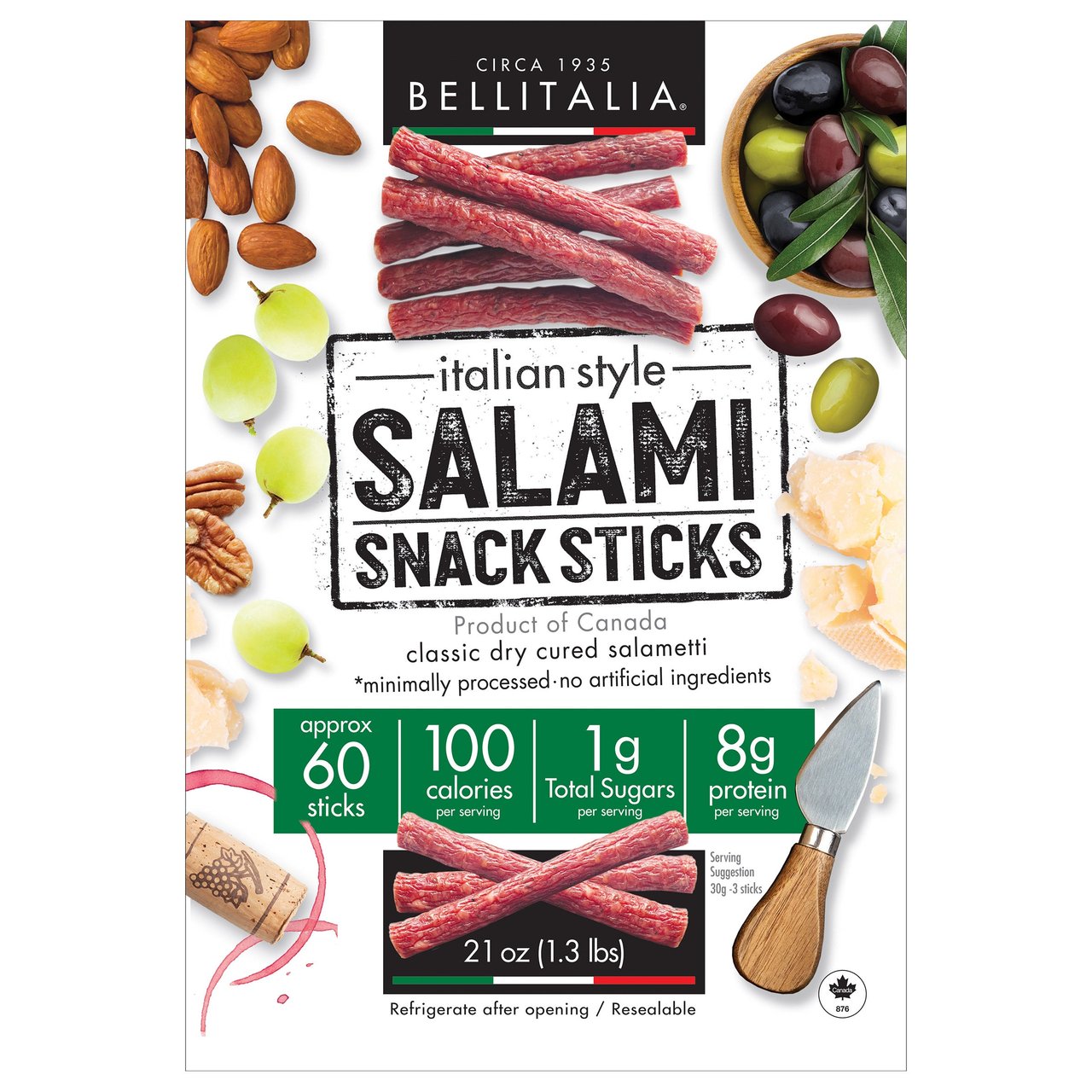


At a glance
Summary
The salami snacksticks are a processed food with a relatively clean ingredient list, featuring high-quality pork and beneficial spices like chili pepper and garlic. However, the presence of refined cane sugar and the overall processing level limit the score. While the product avoids major harmful additives, the inclusion of sugar and its processed nature prevent it from achieving a higher rating.
Key ingredients 11
PorkGood
Pork is a high-quality source of protein and essential nutrients. It provides a rich amino acid profile necessary for muscle maintenance and repair. The quality of pork can vary based on farming practices, with pasture-raised options being more beneficial.
Risks
Excessive consumption of processed pork products may increase the risk of cardiovascular diseases.
Benefits
Rich in protein and essential vitamins such as B12, which supports energy metabolism and neurological function.
VinegarGood
Vinegar is a natural preservative that can enhance flavor and shelf life. It is known for its antimicrobial properties and potential to aid digestion. The acetic acid in vinegar may help regulate blood sugar levels.
Benefits
May aid in digestion and help regulate blood sugar levels due to its acetic acid content.
Sea SaltGood
Sea salt is a minimally processed salt that contains trace minerals. It is used to enhance flavor and preserve food. Unlike refined table salt, sea salt retains some beneficial minerals.
Risks
Excessive sodium intake can lead to hypertension and cardiovascular issues.
Benefits
Provides essential sodium and trace minerals that are beneficial for electrolyte balance.
SpicesGood
Whole-food seasonings, antioxidant-bearing.
Benefits
May provide antioxidants and enhance the flavor profile of the product.
Chili PepperGood
Chili pepper adds flavor and heat, and contains capsaicin, which may have metabolic benefits. It is known for its potential to boost metabolism and provide antioxidants. Capsaicin may also have anti-inflammatory properties.
Risks
May cause digestive discomfort in sensitive individuals.
Benefits
Contains capsaicin, which may boost metabolism and provide anti-inflammatory benefits.
GarlicGood
Garlic is known for its potential health benefits, including antimicrobial and cardiovascular support. It contains allicin, which may help reduce cholesterol levels and improve heart health. Garlic is also rich in antioxidants.
Risks
May cause digestive discomfort or allergic reactions in some individuals.
Benefits
Rich in antioxidants and may support cardiovascular health through its allicin content.
WaterNeutral
Water is used as a processing aid and does not contribute significant nutritional value. It helps in maintaining moisture content in the product. There are no health concerns associated with water in this context.
See more about Water →Cultured Celery PowderNeutral
Cultured celery powder is used as a natural preservative and source of nitrates. It helps in curing meats and maintaining color. While it is a natural alternative to synthetic nitrates, it still contributes to nitrate intake.
Risks
Excessive intake of nitrates may be linked to health concerns, though naturally derived nitrates are generally considered safer.
Benefits
Acts as a natural preservative and helps maintain the color and flavor of cured meats.
Lactic Acid Starter CultureNeutral
Lactic acid starter culture is used in fermentation to develop flavor and preserve the product. It aids in the fermentation process, enhancing the safety and shelf life of the product. This ingredient is generally considered safe and beneficial for fermentation.
Benefits
Supports fermentation, enhancing flavor and preservation of the product.
SmokeNeutral
Smoke is used to impart flavor and preserve the product. It provides a distinctive taste and can help in preservation. The health impact of smoked foods depends on the method and extent of smoking.
Risks
Excessive consumption of smoked foods may be linked to increased cancer risk due to potential carcinogens.
Benefits
Imparts a distinctive flavor and aids in preservation.
Cane SugarBad
Cane sugar is a refined sugar that can contribute to increased calorie intake without providing essential nutrients. It is often used to enhance flavor but can lead to health issues if consumed in excess. Refined sugars are linked to obesity and metabolic disorders.
Risks
High consumption of refined sugars is associated with increased risk of obesity, type 2 diabetes, and dental cavities.
Processing
Processed Foods
Get the full breakdown in the Scout appTake Scout shopping
Scan any product to see lab results, healthy alternatives, and your personalized analysis.
Download on theApp Store GET IT ONGoogle Play