
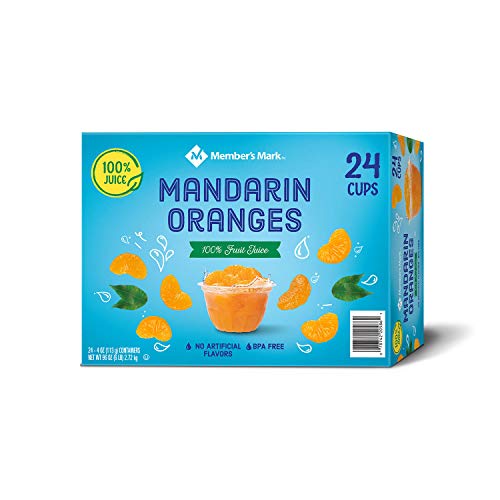




Member's Mark Mandarin Oranges (4 oz, 24 ct.)
Member's MarkAnalysis updated September 2026 · How Scout scores
At a glance
Summary
This product contains mandarin oranges, which are a natural source of vitamins and antioxidants, contributing positively to its nutritional profile. However, it is processed and includes natural flavors, which lack transparency and may contain undisclosed additives. The presence of these flavors and the processing level limit the overall healthiness of the product.
Key ingredients 7
Mandarin orangesGood
Mandarin oranges are a natural source of vitamins and antioxidants. They provide vitamin C and dietary fiber, which are beneficial for immune function and digestion. As a whole fruit, they are minimally processed and retain their nutritional value.
Benefits
Rich in vitamin C and antioxidants, supporting immune health and reducing oxidative stress.
Ascorbic acidGood
Ascorbic acid, also known as vitamin C, is an antioxidant that supports immune health. It is often added to preserve color and freshness in food products. Its inclusion enhances the nutritional profile by providing additional vitamin C.
Benefits
Enhances immune function and acts as an antioxidant, preserving the quality of the product.
WaterNeutral
Water is used as a solvent and carrier in food products. It is essential for hydration and does not contribute calories or nutrients. In this context, it serves to maintain the texture and moisture of the product.
Benefits
Essential for hydration and maintaining the texture of the product.
White grape juice concentrateNeutral
White grape juice concentrate is used as a natural sweetener. It provides sugars and some vitamins but lacks the fiber of whole grapes. It is a more natural alternative to refined sugars but still contributes to the overall sugar content.
Risks
High sugar content may contribute to increased calorie intake and potential blood sugar spikes.
Benefits
Provides natural sweetness and some vitamins, offering a more natural alternative to refined sugars.
Lemon juice concentrateNeutral
Lemon juice concentrate is used for flavor and as a natural preservative. It provides a source of vitamin C and citric acid, which can enhance flavor and shelf life. However, it is more processed than fresh lemon juice.
Benefits
Adds flavor and acts as a natural preservative, contributing vitamin C.
Citric acidNeutral
Citric acid is a natural preservative and flavor enhancer. It is commonly used to maintain acidity and prevent spoilage in food products. While it is generally recognized as safe, excessive consumption can lead to dental erosion.
Risks
Excessive consumption may contribute to dental erosion due to its acidic nature.
Benefits
Acts as a preservative and flavor enhancer, maintaining product quality and shelf life.
Natural flavorsBad
Natural flavors are added to enhance taste but lack transparency in their composition. They can be derived from various sources and may include additives not disclosed on the label. The lack of specificity can be concerning for those with allergies or sensitivities.
Risks
Potential allergen risk due to undisclosed components and lack of transparency.
Benefits
Enhances the flavor profile of the product, making it more palatable.
Processing
Processed Foods
Get the full breakdown in the Scout appTake Scout shopping
Scan any product to see lab results, healthy alternatives, and your personalized analysis.
Download on theApp Store GET IT ONGoogle PlayAmazon pricing & content
Amazon price as of . Product prices and availability are accurate as of the date/time indicated and are subject to change. Any price and availability information displayed on Amazon.com at the time of purchase will apply to the purchase of this product.
CERTAIN CONTENT THAT APPEARS ON THIS SITE COMES FROM AMAZON. THIS CONTENT IS PROVIDED “AS IS” AND IS SUBJECT TO CHANGE OR REMOVAL AT ANY TIME.