At a glance
Summary
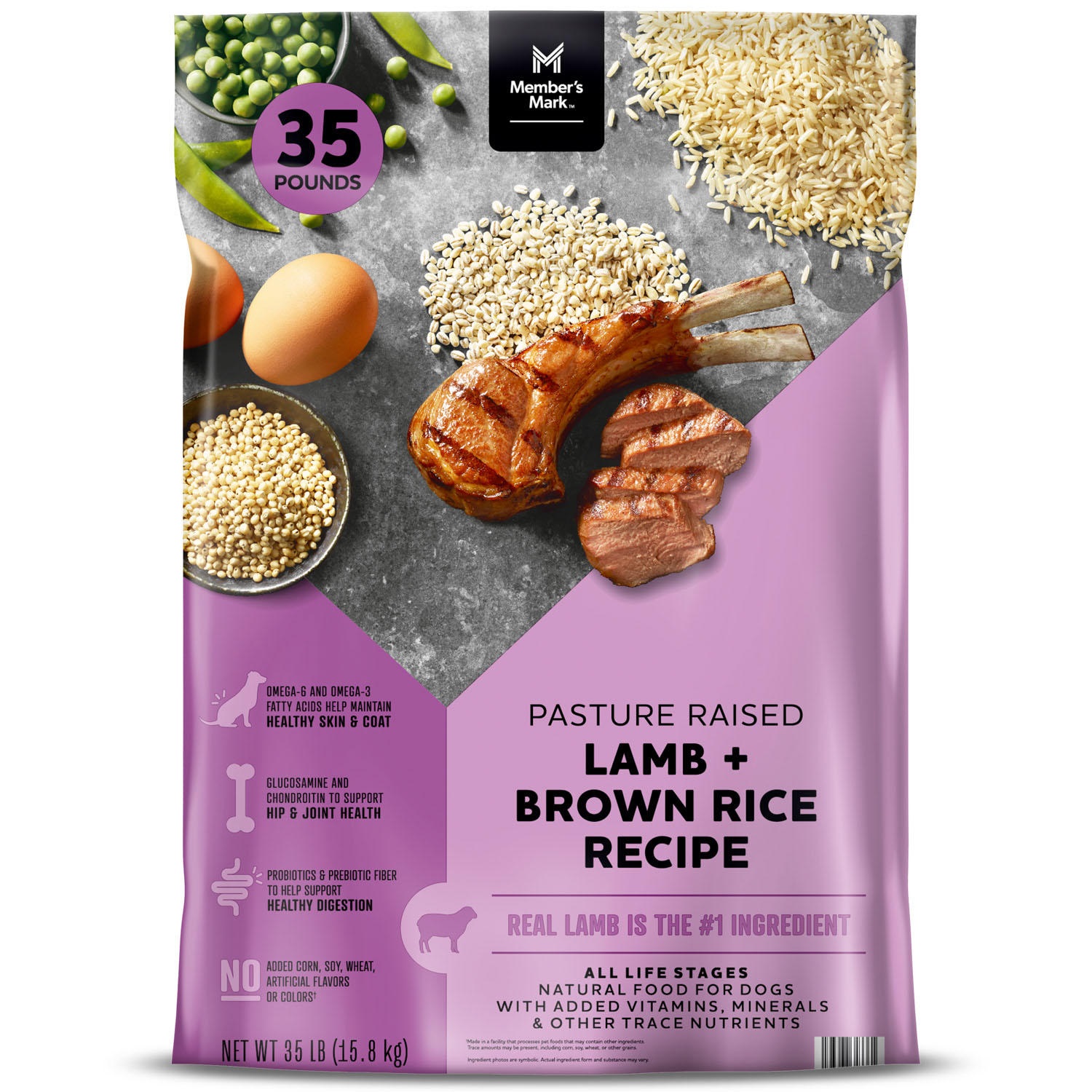
This dog food contains high-quality protein sources like pasture-raised lamb and chicken meal, along with whole grains such as brown rice and oatmeal, which provide essential nutrients and fiber. However, it is considered ultra-processed due to the inclusion of natural flavor and other additives, which limits its score despite the presence of beneficial ingredients. The processing level and the use of a catch-all term like 'natural flavor' contribute to a lower rating.
Key ingredients 45
LambVery Good
Lamb is a high-quality source of protein and essential amino acids. It is pasture-raised, indicating a higher quality and more natural diet for the animals. This contributes to better nutrient profiles compared to conventionally raised meats.
Benefits
Rich in essential amino acids and nutrients, supporting muscle maintenance and overall health in dogs.
Salmon oilVery Good
Salmon oil is a high-quality source of omega-3 fatty acids, supporting heart and joint health. It is derived from salmon, providing EPA and DHA, which are beneficial for reducing inflammation. This oil is a valuable addition to pet food for its health benefits.
Benefits
Rich in omega-3 fatty acids, supporting heart, joint, and skin health.
Chicken mealGood
Chicken meal is a concentrated source of protein, providing essential amino acids. It is made by rendering chicken meat, which removes moisture and concentrates nutrients. This makes it a valuable protein source in pet food.
Benefits
Provides a concentrated source of protein and essential nutrients for muscle development and maintenance.
Brown riceGood
Brown rice is a whole grain that provides carbohydrates and fiber. It is less processed than white rice, retaining more nutrients and fiber. This supports digestive health and provides a steady energy source.
Benefits
Offers fiber and essential nutrients, supporting digestive health and providing energy.
Ground barleyGood
Ground barley is a whole grain that provides fiber and essential nutrients. It is minimally processed, retaining its nutritional value. This supports digestive health and provides a source of energy.
Benefits
Rich in fiber and nutrients, supporting digestive health and providing energy.
Poultry fatGood
Poultry fat is a source of energy and essential fatty acids. It is often preserved with natural antioxidants, maintaining its quality. This fat supports skin and coat health in dogs.
Benefits
Provides essential fatty acids that support skin and coat health.
Dried egg productGood
Dried egg product is a high-quality protein source, rich in essential amino acids. It is processed to remove moisture, concentrating its nutrients. This makes it a valuable addition to pet food for muscle maintenance.
Benefits
Rich in high-quality protein and essential amino acids, supporting muscle maintenance.
OatmealGood
Oatmeal is a whole grain that provides fiber and essential nutrients. It is minimally processed, retaining its nutritional value. This supports digestive health and provides a source of energy.
Benefits
Rich in fiber and nutrients, supporting digestive health and providing energy.
Lamb mealGood
Lamb meal is a concentrated source of protein, providing essential amino acids. It is made by rendering lamb meat, which removes moisture and concentrates nutrients. This makes it a valuable protein source in pet food.
Benefits
Provides a concentrated source of protein and essential nutrients for muscle development and maintenance.
Ground flaxseedGood
Ground flaxseed is a source of omega-3 fatty acids and fiber. It is minimally processed, retaining its nutritional value. This supports skin and coat health and provides anti-inflammatory benefits.
Benefits
Rich in omega-3 fatty acids and fiber, supporting skin health and providing anti-inflammatory benefits.
TaurineGood
Taurine is an essential amino acid for dogs, supporting heart and eye health. It is often added to pet foods to ensure adequate intake. Taurine deficiency can lead to serious health issues, making its inclusion beneficial.
Benefits
Supports heart and eye health, preventing deficiency-related issues.
Vitamin E supplementGood
Vitamin E is an essential nutrient with antioxidant properties. It supports immune function and skin health in dogs. Supplementation ensures adequate intake, especially in processed foods.
Benefits
Supports immune function and skin health with antioxidant properties.
Grain sorghumNeutral
Grain sorghum is a cereal grain that provides carbohydrates and some fiber. It is gluten-free and can be a good alternative for dogs with sensitivities. However, it is less nutrient-dense compared to other grains like brown rice.
Benefits
Provides carbohydrates and fiber, supporting energy needs.
Dried whole peasNeutral
Dried whole peas provide protein, fiber, and some vitamins and minerals. They are a plant-based protein source, which can complement animal proteins. However, they may contribute to anti-nutrient content, affecting mineral absorption.
Risks
May contain anti-nutrients that affect mineral absorption.
Benefits
Provides protein, fiber, and essential nutrients, supporting overall health.
Dried yeastNeutral
Dried yeast is used as a flavor enhancer and source of B vitamins. It can support digestive health and immune function. However, some dogs may be sensitive to yeast.
Risks
May cause sensitivities in some dogs.
Benefits
Provides B vitamins and supports digestive health.
Dried plain beet pulpNeutral
Dried plain beet pulp is a source of fiber, supporting digestive health. It is a by-product of sugar beet processing, providing insoluble fiber. However, it offers limited nutritional value beyond fiber.
Benefits
Supports digestive health by providing fiber.
SaltNeutral
Salt is used to enhance flavor and provide essential sodium. It is a necessary nutrient but should be consumed in moderation. Excessive salt intake can lead to health issues in pets.
Risks
Excessive intake can lead to health issues such as hypertension.
Benefits
Provides essential sodium for bodily functions.
Potassium chlorideNeutral
Potassium chloride is used as a source of potassium, an essential mineral. It helps maintain electrolyte balance and supports muscle function. However, it should be used in appropriate amounts to avoid imbalances.
Risks
Excessive intake can lead to electrolyte imbalances.
Benefits
Provides essential potassium, supporting muscle and nerve function.
DL-methionineNeutral
DL-methionine is an amino acid supplement used to support urinary health. It helps acidify urine, reducing the risk of urinary stones. It is a synthetic form of methionine, commonly used in pet foods.
Benefits
Supports urinary health by helping to acidify urine.
Choline chlorideNeutral
Choline chloride is a source of choline, an essential nutrient for liver function and brain health. It is commonly added to pet foods to ensure adequate intake. While beneficial, it should be balanced with other nutrients.
Benefits
Supports liver function and brain health.
Mixed tocopherolsNeutral
Mixed tocopherols are used as natural preservatives to extend shelf life. They are a source of vitamin E, which has antioxidant properties. While beneficial, they primarily serve a preservative function in pet food.
Benefits
Provides antioxidant benefits and extends shelf life.
Iron proteinateNeutral
Iron proteinate is a chelated form of iron, enhancing absorption and bioavailability. It supports red blood cell production and oxygen transport. While beneficial, it should be balanced with other minerals to avoid imbalances.
Risks
Excessive intake can lead to mineral imbalances.
Benefits
Enhances iron absorption, supporting red blood cell production.
Zinc proteinateNeutral
Zinc proteinate is a chelated form of zinc, improving absorption and bioavailability. It supports immune function and skin health. While beneficial, it should be balanced with other minerals to avoid imbalances.
Risks
Excessive intake can lead to mineral imbalances.
Benefits
Enhances zinc absorption, supporting immune function and skin health.
Copper proteinateNeutral
Copper proteinate is a chelated form of copper, enhancing absorption and bioavailability. It supports red blood cell production and connective tissue health. While beneficial, it should be balanced with other minerals to avoid imbalances.
Risks
Excessive intake can lead to mineral imbalances.
Benefits
Enhances copper absorption, supporting red blood cell production and connective tissue health.
Ferrous sulfateNeutral
Ferrous sulfate is a source of iron, supporting red blood cell production and oxygen transport. It is commonly used in pet foods to ensure adequate iron intake. While beneficial, it should be balanced with other minerals to avoid imbalances.
Risks
Excessive intake can lead to mineral imbalances.
Benefits
Provides iron, supporting red blood cell production and oxygen transport.
Zinc sulfateNeutral
Zinc sulfate is a source of zinc, supporting immune function and skin health. It is commonly used in pet foods to ensure adequate zinc intake. While beneficial, it should be balanced with other minerals to avoid imbalances.
Risks
Excessive intake can lead to mineral imbalances.
Benefits
Provides zinc, supporting immune function and skin health.
Manganese sulfateNeutral
Manganese sulfate is a source of manganese, supporting bone development and enzyme function. It is commonly used in pet foods to ensure adequate manganese intake. While beneficial, it should be balanced with other minerals to avoid imbalances.
Risks
Excessive intake can lead to mineral imbalances.
Benefits
Provides manganese, supporting bone development and enzyme function.
Copper sulfateNeutral
Copper sulfate is a source of copper, supporting red blood cell production and connective tissue health. It is commonly used in pet foods to ensure adequate copper intake. While beneficial, it should be balanced with other minerals to avoid imbalances.
Risks
Excessive intake can lead to mineral imbalances.
Benefits
Provides copper, supporting red blood cell production and connective tissue health.
Potassium iodideNeutral
Potassium iodide is a source of iodine, supporting thyroid function and hormone production. It is commonly used in pet foods to ensure adequate iodine intake. While beneficial, it should be balanced with other minerals to avoid imbalances.
Risks
Excessive intake can lead to thyroid imbalances.
Benefits
Provides iodine, supporting thyroid function and hormone production.
Thiamine mononitrateNeutral
Thiamine mononitrate is a form of vitamin B1, supporting energy metabolism and nervous system function. It is commonly added to pet foods to ensure adequate intake. While beneficial, it should be balanced with other B vitamins.
Benefits
Supports energy metabolism and nervous system function.
Manganese proteinateNeutral
Manganese proteinate is a chelated form of manganese, enhancing absorption and bioavailability. It supports bone development and enzyme function. While beneficial, it should be balanced with other minerals to avoid imbalances.
Risks
Excessive intake can lead to mineral imbalances.
Benefits
Enhances manganese absorption, supporting bone development and enzyme function.
Ascorbic acidNeutral
Ascorbic acid is a form of vitamin C, supporting immune function and antioxidant protection. It is commonly added to pet foods to ensure adequate intake. While beneficial, dogs can synthesize vitamin C, so supplementation is not always necessary.
Benefits
Supports immune function and provides antioxidant protection.
Vitamin A supplementNeutral
Vitamin A supplement provides essential vitamin A, supporting vision and immune function. It is commonly added to pet foods to ensure adequate intake. While beneficial, it should be balanced with other fat-soluble vitamins.
Risks
Excessive intake can lead to vitamin A toxicity.
Benefits
Supports vision and immune function.
BiotinNeutral
Biotin is a B vitamin that supports skin, coat, and metabolic health. It is commonly added to pet foods to ensure adequate intake. While beneficial, it should be balanced with other B vitamins.
Benefits
Supports skin, coat, and metabolic health.
Calcium pantothenateNeutral
Calcium pantothenate is a form of vitamin B5, supporting energy metabolism and adrenal function. It is commonly added to pet foods to ensure adequate intake. While beneficial, it should be balanced with other B vitamins.
Benefits
Supports energy metabolism and adrenal function.
Sodium seleniteNeutral
Sodium selenite is a source of selenium, supporting antioxidant protection and immune function. It is commonly used in pet foods to ensure adequate selenium intake. While beneficial, it should be balanced with other minerals to avoid imbalances.
Risks
Excessive intake can lead to selenium toxicity.
Benefits
Provides selenium, supporting antioxidant protection and immune function.
NiacinNeutral
Niacin is a B vitamin that supports energy metabolism and skin health. It is commonly added to pet foods to ensure adequate intake. While beneficial, it should be balanced with other B vitamins.
Benefits
Supports energy metabolism and skin health.
RiboflavinNeutral
Riboflavin is a B vitamin that supports energy metabolism and antioxidant protection. It is commonly added to pet foods to ensure adequate intake. While beneficial, it should be balanced with other B vitamins.
Benefits
Supports energy metabolism and provides antioxidant protection.
Vitamin B12 supplementNeutral
Vitamin B12 supplement provides essential vitamin B12, supporting nerve function and red blood cell production. It is commonly added to pet foods to ensure adequate intake. While beneficial, it should be balanced with other B vitamins.
Benefits
Supports nerve function and red blood cell production.
Pyridoxine hydrochlorideNeutral
Pyridoxine hydrochloride is a form of vitamin B6, supporting protein metabolism and nervous system function. It is commonly added to pet foods to ensure adequate intake. While beneficial, it should be balanced with other B vitamins.
Benefits
Supports protein metabolism and nervous system function.
Vitamin D3 supplementNeutral
Vitamin D3 supplement provides essential vitamin D, supporting bone health and calcium metabolism. It is commonly added to pet foods to ensure adequate intake. While beneficial, it should be balanced with other fat-soluble vitamins.
Risks
Excessive intake can lead to vitamin D toxicity.
Benefits
Supports bone health and calcium metabolism.
Folic acidNeutral
Folic acid is a B vitamin that supports cell division and red blood cell production. It is commonly added to pet foods to ensure adequate intake. While beneficial, it should be balanced with other B vitamins.
Benefits
Supports cell division and red blood cell production.
Dried Bacillus subtilis fermentation productNeutral
Dried Bacillus subtilis fermentation product is a probiotic that supports digestive health. It is used to promote a healthy gut microbiome in pets. While beneficial, its effectiveness can vary based on the formulation and storage conditions.
Benefits
Supports digestive health by promoting a healthy gut microbiome.
Dried Enterococcus faecium fermentation productNeutral
Dried Enterococcus faecium fermentation product is a probiotic that supports digestive health. It is used to promote a healthy gut microbiome in pets. While beneficial, its effectiveness can vary based on the formulation and storage conditions.
Benefits
Supports digestive health by promoting a healthy gut microbiome.
Natural flavorBad
Natural flavor is a catch-all term for flavoring agents derived from natural sources. It lacks transparency, making it difficult to assess its quality or health impact. This can be concerning for pet owners seeking to avoid certain additives.
Risks
Lack of transparency may hide undesirable additives or allergens.
Processing
Ultra-Processed Foods
Get the full breakdown in the Scout appTake Scout shopping
Scan any product to see lab results, healthy alternatives, and your personalized analysis.
Are you Member's Mark? Fix an error Get the badge Get tested
Amazon pricing & content
CERTAIN CONTENT THAT APPEARS ON THIS SITE COMES FROM AMAZON. THIS CONTENT IS PROVIDED “AS IS” AND IS SUBJECT TO CHANGE OR REMOVAL AT ANY TIME.