


At a glance
Summary
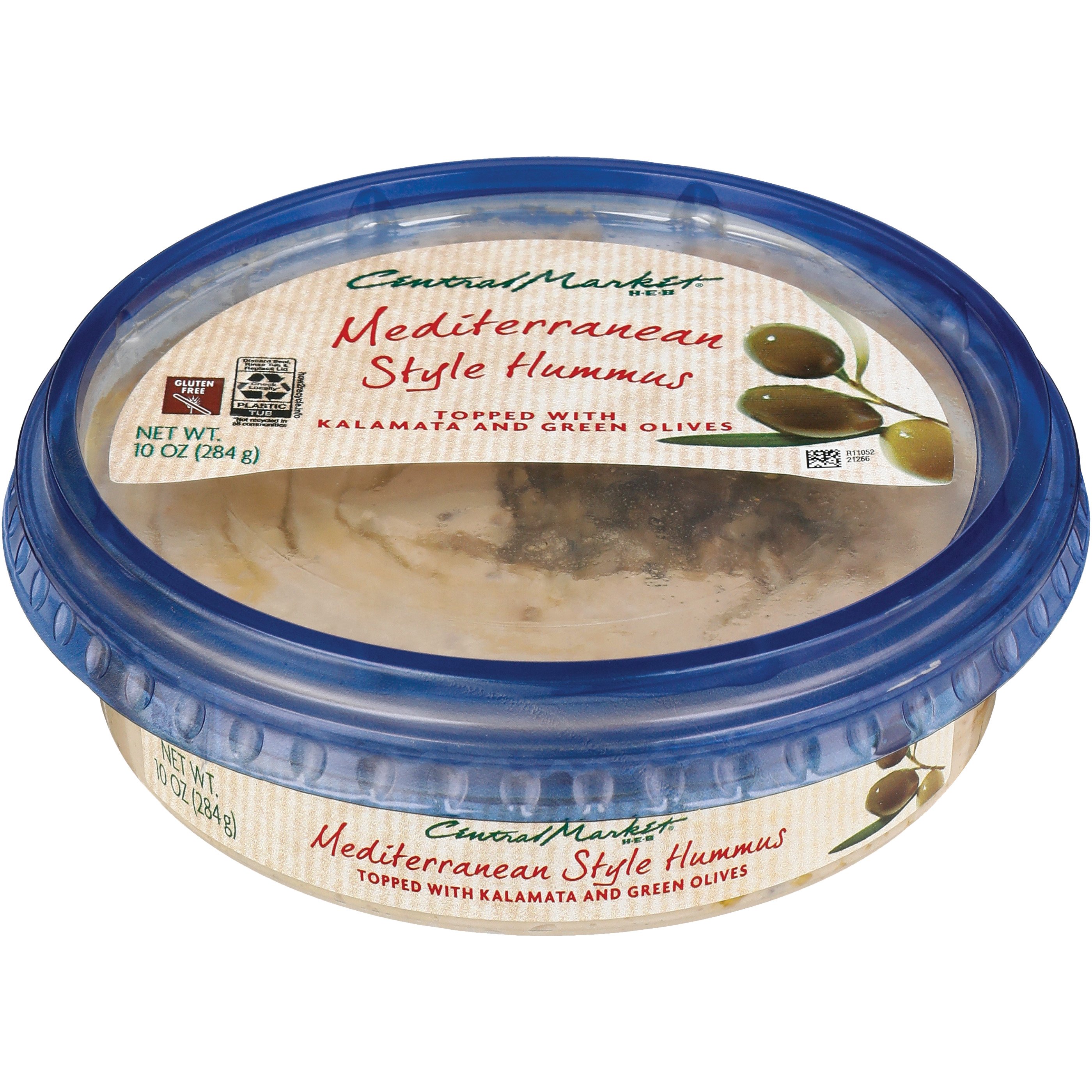
This Mediterranean Style Hummus features a clean ingredient list with beneficial components such as chickpeas, artichokes, and extra virgin olive oil, which provide healthy fats, fiber, and antioxidants. The product is processed but avoids harmful additives like artificial colors, flavors, and seed oils, maintaining a high standard for a processed food. The use of natural ingredients and absence of major red flags contribute to its favorable rating within its category.
Key ingredients 16
Extra virgin olive oilVery Good
High-quality monounsaturated fat with anti-inflammatory properties. Contains antioxidants that support heart health. Cold-pressed extraction preserves beneficial compounds.
Benefits
Rich in monounsaturated fats that support heart health and provide anti-inflammatory properties. Contains antioxidants like vitamin E and polyphenols that may reduce oxidative stress.
ChickpeasGood
Chickpeas are a good source of plant-based protein and fiber. They help in maintaining digestive health and provide essential nutrients like iron and folate. Their low glycemic index makes them suitable for blood sugar management.
Benefits
Rich in protein and fiber, supporting satiety and digestive health.
ArtichokesGood
Artichokes are rich in antioxidants and dietary fiber. They support liver health and improve digestion. Their prebiotic content promotes a healthy gut microbiome.
Benefits
High in antioxidants and fiber, supporting liver health and digestion.
Sesame tahiniGood
Tahini is made from ground sesame seeds and is rich in healthy fats and minerals. It provides calcium and magnesium, supporting bone health. The fats in tahini are primarily unsaturated, beneficial for heart health.
Risks
Potential allergen for individuals with sesame allergies.
Benefits
Rich in healthy fats and minerals, supporting bone and heart health.
Black olivesGood
Black olives are a source of healthy monounsaturated fats and antioxidants. They support heart health and have anti-inflammatory properties. Their oleic acid content is beneficial for cardiovascular health.
Risks
High sodium content may be a concern for individuals on a low-sodium diet.
Benefits
Rich in monounsaturated fats and antioxidants, supporting heart health.
Kalamata olivesGood
Kalamata olives are rich in healthy fats and antioxidants. They provide oleic acid, which supports heart health. Their polyphenol content offers anti-inflammatory benefits.
Risks
High sodium content may be a concern for individuals on a low-sodium diet.
Benefits
Rich in healthy fats and antioxidants, supporting heart health and reducing inflammation.
Sea saltGood
Sea salt is a natural source of sodium and trace minerals. It is less processed than table salt, retaining more minerals. It enhances flavor without the need for excessive additives.
Risks
Excessive consumption can lead to high blood pressure and other cardiovascular issues.
Benefits
Provides essential sodium and trace minerals, enhancing flavor naturally.
GarlicGood
Garlic is known for its immune-boosting properties and cardiovascular benefits. It contains allicin, which has antimicrobial effects. Regular consumption may reduce the risk of heart disease.
Risks
May cause digestive discomfort in some individuals when consumed in large amounts.
Benefits
Supports immune function and heart health with its antimicrobial and cardiovascular benefits.
MCT oilGood
MCT oil is a source of medium-chain triglycerides, which are easily absorbed and used for energy. It may support weight management and cognitive function. Its rapid metabolism makes it a popular choice for energy-boosting diets.
Risks
Excessive consumption may lead to digestive upset.
Benefits
Provides quick energy and may support weight management and cognitive health.
Lemon juiceGood
Lemon juice is rich in vitamin C and antioxidants. It enhances flavor and provides a natural source of acidity. Its antioxidant properties support immune health and skin vitality.
Benefits
Rich in vitamin C and antioxidants, supporting immune health and enhancing flavor.
ThymeGood
Thyme is an herb with antioxidant and antimicrobial properties. It adds flavor and may support respiratory health. Its essential oils have been studied for their potential health benefits.
Benefits
Provides antioxidants and antimicrobial benefits, enhancing flavor and supporting health.
CuminGood
Cumin is a spice known for its digestive and antioxidant properties. It adds a warm flavor and may support metabolism. Its active compounds have been linked to various health benefits.
Benefits
Supports digestion and metabolism with its antioxidant properties.
CapersGood
Capers are rich in antioxidants and add a tangy flavor. They contain quercetin, which has anti-inflammatory effects. Their unique flavor enhances culinary dishes.
Risks
High sodium content may be a concern for individuals on a low-sodium diet.
Benefits
Rich in antioxidants and quercetin, providing anti-inflammatory benefits.
WaterNeutral
Water is used as a solvent and to adjust the consistency of the hummus. It is a neutral ingredient with no direct nutritional impact. It helps in blending the ingredients smoothly.
See more about Water →Citric acidNeutral
Citric acid is used as a preservative and flavor enhancer. It is naturally found in citrus fruits and is generally recognized as safe. It helps maintain the product's freshness and acidity.
See more about Citric acid →Distilled vinegarNeutral
Distilled vinegar is used as a preservative and flavor enhancer. It is a common culinary ingredient with no significant nutritional impact. It helps in maintaining the product's acidity and shelf life.
See more about Distilled vinegar →Processing
Processed Foods
Get the full breakdown in the Scout appTake Scout shopping
Scan any product to see lab results, healthy alternatives, and your personalized analysis.
Download on theApp Store GET IT ONGoogle Play