




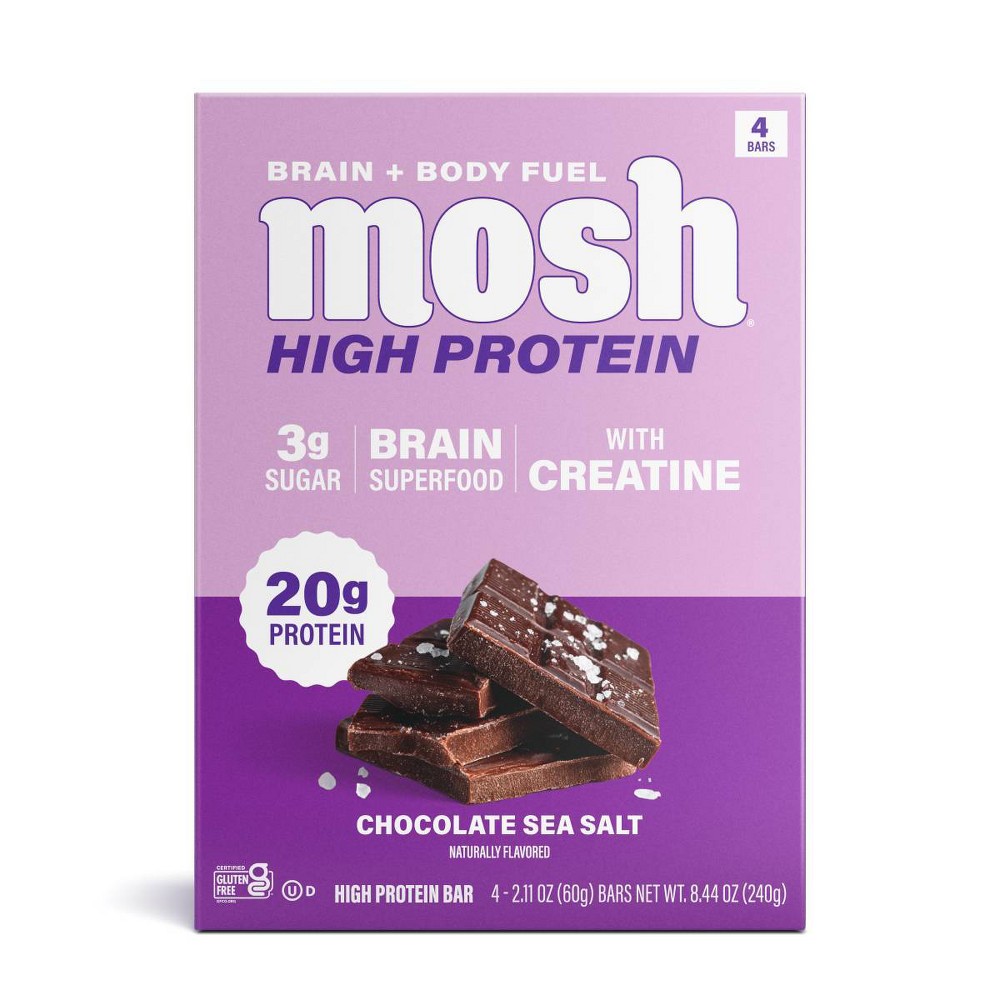
Protein Cookie Dough Chocolate Chip
Summary
This protein cookie dough is heavily processed, which limits its potential health benefits despite containing high-quality proteins like whey and milk protein isolates. The presence of palm oil and added sugar detracts from its nutritional profile, and the use of 'natural flavor' adds to the processing concerns. While it does contain some beneficial ingredients, the overall processing level and inclusion of less desirable components result in a moderate score.
At a glance
Key ingredients 16
Whey Protein IsolateVery Good
Whey protein isolate is a high-quality protein source with a complete amino acid profile. It is rapidly absorbed, making it ideal for muscle recovery and growth. This ingredient is minimally processed and provides essential nutrients without unnecessary additives.
Benefits
Supports muscle recovery and growth due to its rich amino acid profile. Provides high-quality protein with minimal fat and carbohydrates.
Milk Protein IsolateGood
Milk protein isolate is a concentrated source of both casein and whey proteins. It provides a sustained release of amino acids, beneficial for prolonged muscle protein synthesis. This ingredient is processed to remove most of the lactose and fat, enhancing its protein content.
Risks
May cause digestive issues for individuals with lactose intolerance.
Benefits
Offers a balanced amino acid profile and supports muscle maintenance and growth. Provides a slow-digesting protein source ideal for prolonged satiety.
SorbitolNeutral
Sorbitol is a sugar alcohol used as a sweetener and humectant. It provides sweetness with fewer calories than sugar and helps retain moisture in products. While it is less caloric, excessive consumption can lead to digestive discomfort.
Risks
May cause gastrointestinal distress, such as bloating and diarrhea, when consumed in large amounts.
Benefits
Provides sweetness with reduced caloric content compared to regular sugar. Helps maintain moisture and texture in food products.
GlycerinNeutral
Glycerin is a sugar alcohol used to retain moisture and improve texture in food products. It is generally recognized as safe and provides a sweet taste without significantly impacting blood sugar levels. However, it is a processed ingredient with limited nutritional benefits.
Risks
Excessive consumption may lead to digestive issues such as gas and diarrhea.
Benefits
Helps maintain moisture and texture in food products. Provides sweetness with minimal impact on blood sugar levels.
Wheat FlourNeutral
Wheat flour is a common ingredient used as a base in many baked goods. It provides carbohydrates and some protein, but it is refined and lacks the fiber and nutrients found in whole grains. It is a staple ingredient but offers limited nutritional benefits.
Risks
May cause allergic reactions in individuals with gluten intolerance or celiac disease.
Benefits
Provides carbohydrates for energy. Acts as a structural component in baked goods.
CornstarchNeutral
Cornstarch is a refined carbohydrate used as a thickening agent in food products. It is highly processed and provides energy but lacks significant nutritional value. It is commonly used to improve texture and consistency in various recipes.
Risks
May contribute to blood sugar spikes if consumed in large quantities.
Benefits
Acts as a thickening agent and improves texture in food products. Provides a source of carbohydrates.
Xanthan GumNeutral
Xanthan gum is a polysaccharide used as a thickening and stabilizing agent in food products. It is derived from the fermentation of sugars and is effective in small quantities. While it is generally safe, it is a processed additive with no nutritional benefits.
Risks
May cause digestive issues such as bloating and gas in sensitive individuals.
Benefits
Improves texture and stability in food products. Allows for better consistency in gluten-free recipes.
Palm OilBad
Palm oil is a widely used vegetable oil that is high in saturated fats. It is often criticized for its environmental impact due to deforestation and habitat destruction. While it provides a stable cooking fat, its high saturated fat content may pose health risks.
Risks
High saturated fat content may contribute to cardiovascular disease if consumed in excess.
Benefits
Provides a stable cooking fat with a long shelf life. Contains some vitamin E and carotenoids.
Cocoa ButterGood
Cocoa butter is a natural fat extracted from cocoa beans, known for its smooth texture and chocolate flavor. It contains healthy fats and antioxidants that may support heart health. It is minimally processed and adds a rich flavor to products.
Benefits
Rich in healthy fats and antioxidants that may support heart health. Provides a smooth texture and rich flavor to chocolate products.
Sunflower LecithinNeutral
Sunflower lecithin is an emulsifier derived from sunflower seeds. It helps blend ingredients and improve texture in food products. While it is a processed additive, it is generally considered safe and free from allergens like soy.
Benefits
Acts as an emulsifier to improve texture and consistency in food products. Free from common allergens like soy.
Soy LecithinNeutral
Soy lecithin is a common emulsifier used to improve texture and blend ingredients in food products. It is derived from soybeans and is generally recognized as safe. However, it is a processed ingredient with limited nutritional benefits.
Risks
May cause allergic reactions in individuals sensitive to soy.
Benefits
Improves texture and consistency in food products. Acts as an emulsifier to blend ingredients effectively.
SugarBad
Sugar is a refined carbohydrate that provides sweetness but lacks nutritional value. Excessive consumption can lead to health issues such as obesity and diabetes. It is a common ingredient in processed foods, contributing to high caloric intake.
Risks
Excessive consumption may lead to obesity, diabetes, and other metabolic disorders.
Benefits
Provides quick energy but should be consumed in moderation.
Semi-Sweet Chocolate ChipsNeutral
Semi-sweet chocolate chips are made from cocoa solids, sugar, and cocoa butter, providing a balance of sweetness and chocolate flavor. They contain some antioxidants from cocoa but are also high in sugar. While they add flavor, they should be consumed in moderation.
Risks
High sugar content may contribute to health issues if consumed in excess.
Benefits
Contains antioxidants from cocoa that may offer some health benefits. Provides a rich chocolate flavor.
Natural FlavorBad
Natural flavor is a catch-all term for flavoring agents derived from natural sources. It lacks transparency, making it difficult to assess its true composition and potential health impacts. While it enhances flavor, it is a processed additive with no nutritional benefits.
Risks
Lack of transparency may pose risks for individuals with allergies or sensitivities.
Benefits
Enhances flavor in food products but offers no nutritional benefits.
SaltNeutral
Salt is a common seasoning used to enhance flavor in food products. It is essential for various bodily functions but should be consumed in moderation to avoid health issues. While it is a natural ingredient, excessive intake can lead to hypertension.
Risks
Excessive consumption may lead to hypertension and cardiovascular issues.
Benefits
Enhances flavor and is essential for maintaining fluid balance and nerve function.
Sugarcane MolassesGood
Sugarcane molasses is a byproduct of sugar refining, rich in minerals like iron, calcium, and magnesium. It provides a natural sweetness with some nutritional benefits compared to refined sugar. It is less processed and offers a unique flavor profile.
Benefits
Rich in minerals and provides a natural sweetness with some nutritional benefits. Offers a unique flavor profile to food products.
Processing
Ultra-Processed Foods
Get the full breakdown in the Scout app
Scan any product to see lab results, healthy alternatives, and your personalized analysis.
Download on theApp Store