

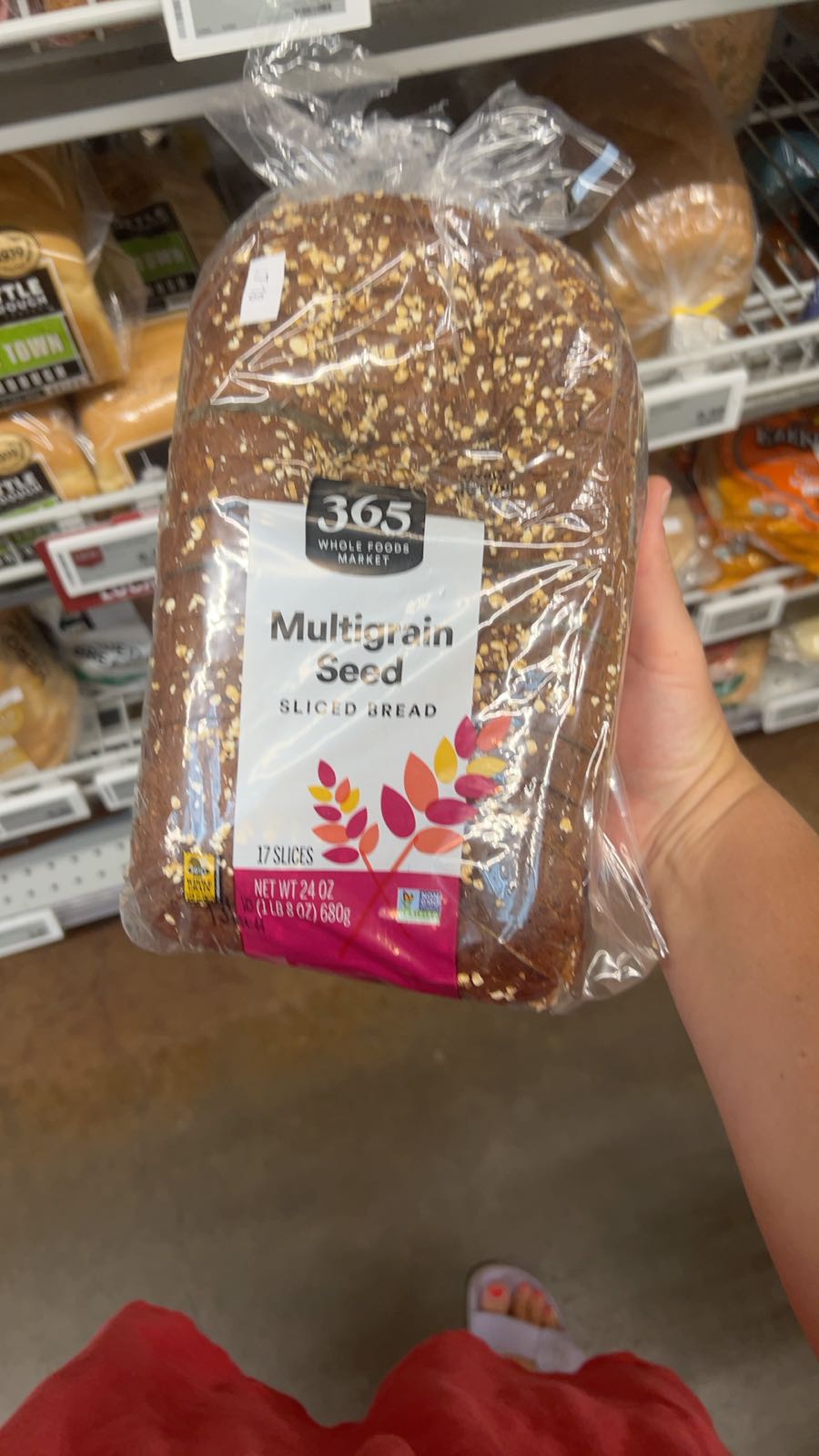


Sprouts Farmers Market Bread
Sprouts Farmers MarketAnalysis updated September 2026 · How Scout scores
At a glance
Summary
This bread features a relatively clean ingredient list with wheat flour, water, sea salt, and sourdough culture, which are minimally processed and contribute to a wholesome product. The use of sourdough culture is beneficial as it enhances flavor and digestibility. However, as a processed food, it is subject to a processing score cap, preventing it from reaching the highest possible rating.
Key ingredients 6
Sea SaltGood
Sea salt is a minimally processed source of sodium and trace minerals. It enhances the flavor of bread and contributes to the dough's texture. Unlike refined table salt, it retains some beneficial minerals.
Risks
Excessive consumption of salt can lead to high blood pressure and other health issues.
Benefits
Provides essential sodium and trace minerals, enhancing flavor and texture in bread.
Sourdough CultureGood
Sourdough culture is a natural leavening agent that enhances the flavor and nutritional profile of bread. It contains beneficial bacteria and yeast that aid in fermentation. This process can improve digestibility and nutrient absorption.
Benefits
Improves flavor, digestibility, and nutrient absorption in bread.
Malted Barley FlourNeutral
Malted barley flour is used to enhance the flavor and color of bread. It contains enzymes that help break down starches into sugars, aiding in fermentation. While it adds some nutritional value, it is used in small quantities.
Benefits
Enhances flavor and aids in the fermentation process of bread.
WaterNeutral
Water is a fundamental ingredient in bread, necessary for dough formation and yeast activation. It is a neutral ingredient with no direct nutritional value. Its primary role is functional in the bread-making process.
Benefits
Essential for dough formation and yeast activation in bread-making.
EnzymesNeutral
Enzymes are used in bread-making to improve dough handling and extend shelf life. They are naturally occurring proteins that catalyze biochemical reactions. Their use in bread is generally considered safe and functional.
Benefits
Enhances dough handling and extends the shelf life of bread.
Wheat FlourBad
Refined grain flour stripped of bran and germ.
Risks
Refined wheat flour can contribute to blood sugar spikes and lacks the fiber of whole grains.
Benefits
Provides essential carbohydrates for energy and is a key component in bread-making.
Processing
Processed Foods
Get the full breakdown in the Scout appTake Scout shopping
Scan any product to see lab results, healthy alternatives, and your personalized analysis.
Download on theApp Store GET IT ONGoogle Play