


Near you
Aldi is carried at Aldi stores. Find one within 25 miles.
At a glance
Summary
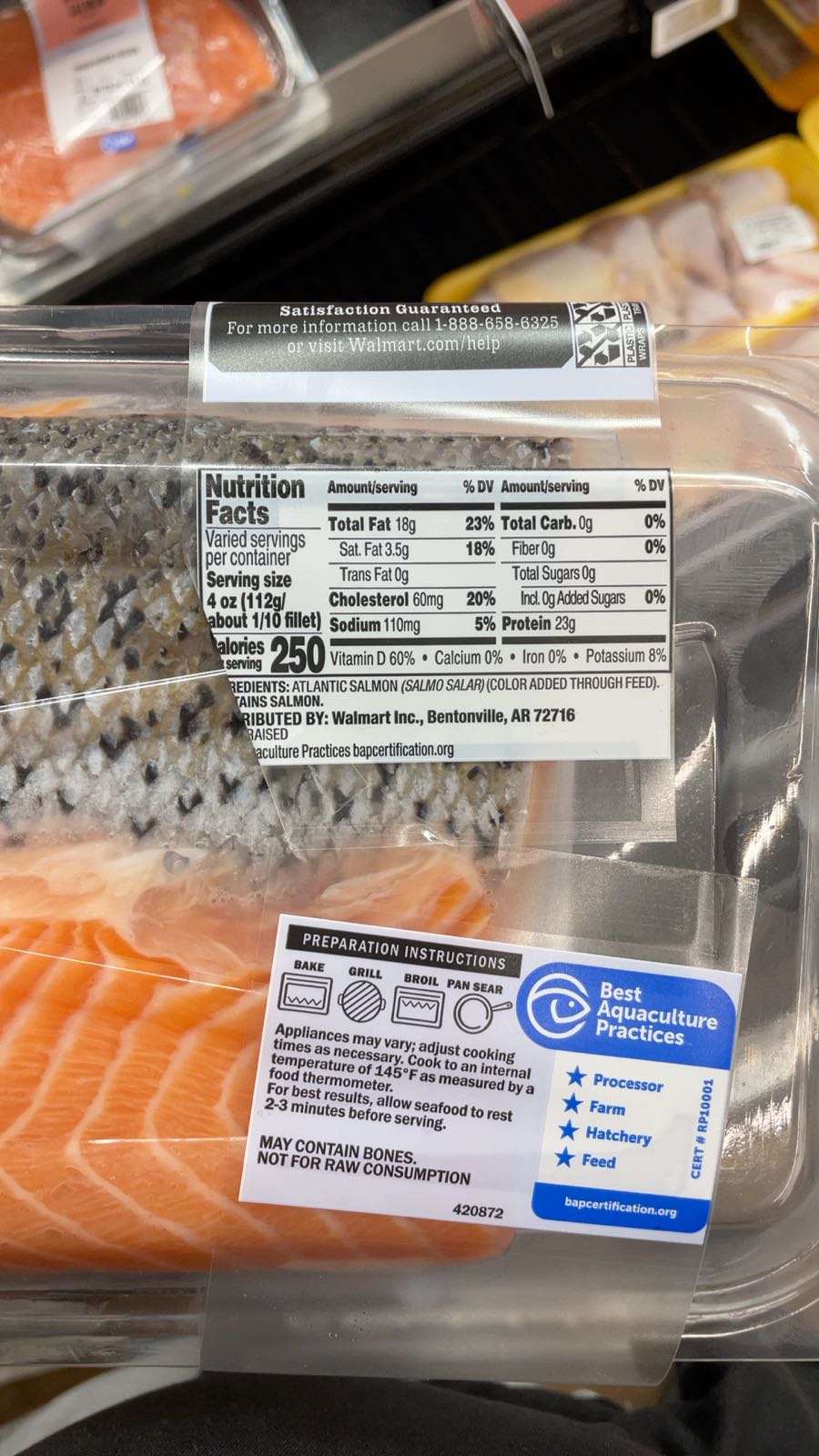
This Atlantic Salmon product contains beneficial ingredients like high-quality protein and omega-3 fatty acids from the salmon itself, along with a variety of vegetables that add nutritional value. However, the presence of color added through feed, which often involves synthetic additives, raises concerns about potential health impacts. The processing level of this product also limits its score, despite the overall nutritional benefits.
Key ingredients 12
Atlantic salmonVery Good
Atlantic salmon is a high-quality source of protein and omega-3 fatty acids. It provides essential nutrients that support heart and brain health. Wild-caught or responsibly farmed salmon is preferred for optimal nutrient content.
Risks
Potential risk of contaminants like PCBs and mercury, especially in farmed salmon.
Benefits
Rich in omega-3 fatty acids which are beneficial for cardiovascular health and reducing inflammation.
Dehydrated vegetable blendGood
Dehydrated vegetable blends provide a concentrated source of vitamins and minerals. They add flavor and nutritional value without the need for artificial additives. The dehydration process preserves nutrients while extending shelf life.
Benefits
Provides vitamins and minerals that contribute to overall health and wellness.
GarlicGood
Garlic is known for its potential health benefits, including antimicrobial and anti-inflammatory properties. It contains allicin, which may support cardiovascular health. Fresh or minimally processed garlic retains the most beneficial compounds.
Benefits
May support immune function and cardiovascular health due to its bioactive compounds.
Red bell peppersGood
Red bell peppers are rich in vitamins A and C, providing antioxidant benefits. They add natural sweetness and color to dishes. Consuming a variety of colorful vegetables supports a balanced diet.
Benefits
High in antioxidants and vitamins that support immune health and skin integrity.
Green bell peppersGood
Green bell peppers are a good source of vitamins C and K. They contribute to a balanced diet with their nutrient density and low calorie content. Including a variety of vegetables enhances dietary diversity.
Benefits
Provides essential vitamins and antioxidants that support overall health.
OnionGood
Onions are rich in antioxidants and have anti-inflammatory properties. They add flavor and nutritional value to meals. Onions contain quercetin, which may support heart health.
Benefits
May support heart health and provide antioxidant benefits.
Green onionGood
Green onions are low in calories and high in vitamins A and C. They add flavor and nutrients to dishes without adding significant calories. Fresh green onions provide the most nutritional benefits.
Benefits
Rich in vitamins and antioxidants that support immune function and skin health.
Sea saltGood
Sea salt is a natural source of sodium and trace minerals. It is less processed than table salt and retains beneficial minerals. Using sea salt can enhance flavor while providing essential electrolytes.
Risks
Excessive sodium intake can lead to hypertension and cardiovascular issues.
Benefits
Provides essential electrolytes and trace minerals that support hydration and nerve function.
SpicesGood
Whole-food seasonings, antioxidant-bearing.
Benefits
May provide antioxidants and enhance flavor without adding calories.
Dried lemon peelGood
Dried lemon peel is a source of vitamin C and antioxidants. It adds a citrus flavor and can enhance the nutritional profile of dishes. The drying process concentrates the flavor and nutrients.
Benefits
Provides vitamin C and antioxidants that support immune health.
Demerara sugarNeutral
Demerara sugar is a less refined sugar with a natural molasses content. It provides a caramel-like flavor and is often used in moderation. While it is less processed than white sugar, it still contributes to sugar intake.
Risks
Excessive consumption of sugar can lead to weight gain and metabolic issues.
Benefits
Provides a natural source of sweetness with some mineral content from molasses.
Color added through feedBad
Color added through feed often involves synthetic astaxanthin to enhance the salmon's color. This process is common in farmed salmon to mimic the natural color of wild salmon. Concerns exist about the synthetic nature and potential health impacts of these additives.
Risks
Synthetic additives may pose health concerns and are less desirable than natural alternatives.
Processing
Processed Foods
Get the full breakdown in the Scout appTake Scout shopping
Scan any product to see lab results, healthy alternatives, and your personalized analysis.
Download on theApp Store GET IT ONGoogle Play