

At a glance
Summary
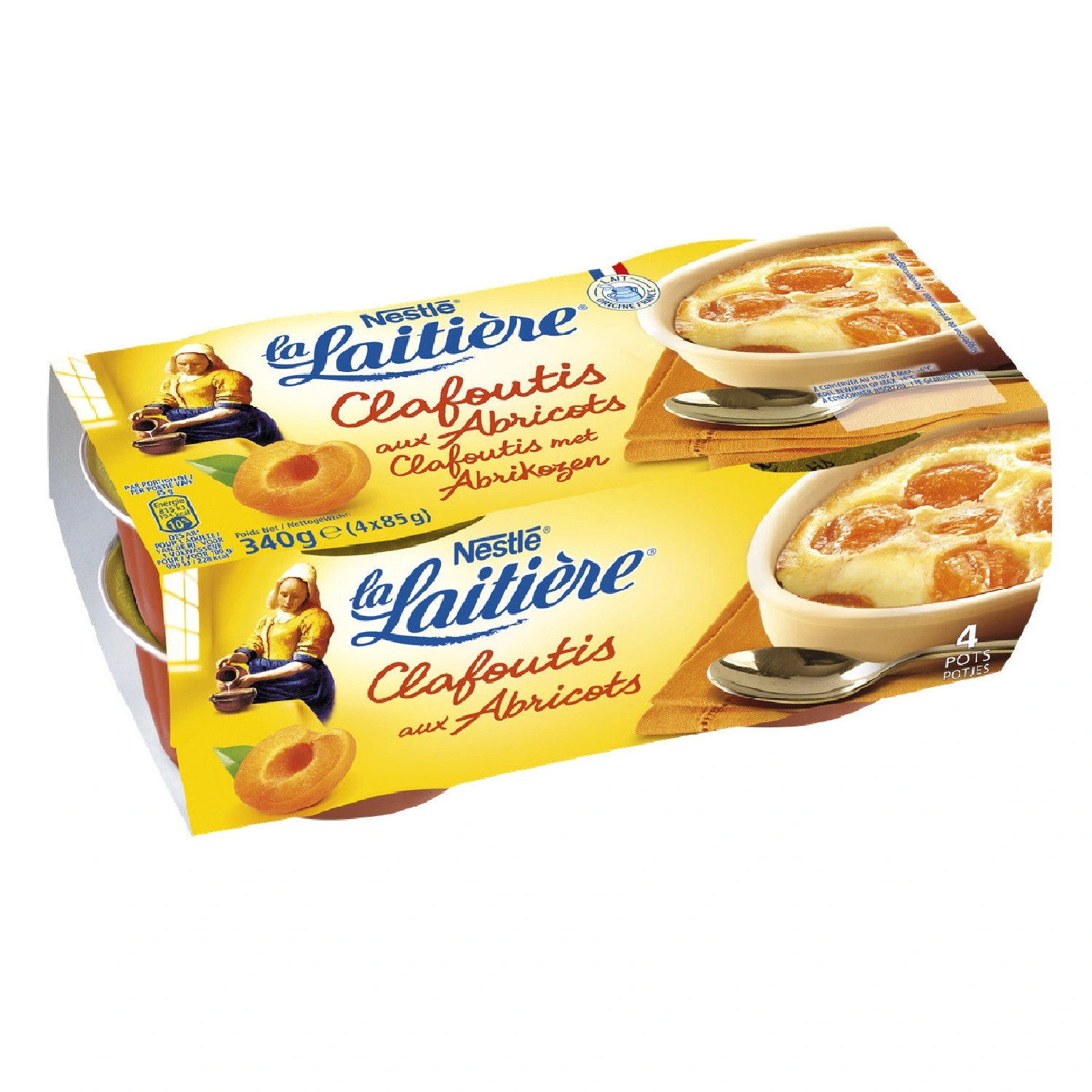
This product contains beneficial ingredients like whole milk, apricots, and fresh eggs, which provide essential nutrients and are minimally processed. However, it is heavily penalized due to its high level of processing and the presence of refined sugar, which is a source of empty calories. The overall processing level limits the healthiness of the product despite some nutritious components.
Key ingredients 11
ApricotsVery Good
Apricots are rich in vitamins A and C, fiber, and antioxidants. They are a whole food ingredient with minimal processing, retaining most of their nutritional benefits. The natural sugars in apricots provide a healthier alternative to refined sugars.
Benefits
Rich in vitamins and antioxidants that support immune function and skin health.
Egg whitesVery Good
Minimally processed whole-food ingredient.
Risks
May cause allergic reactions in some individuals.
Benefits
Excellent source of lean protein without fat or cholesterol.
Whole milkGood
Whole milk is a source of high-quality protein and essential nutrients like calcium and vitamin D. It is minimally processed and provides a rich source of bioavailable nutrients. The fat content in whole milk can aid in the absorption of fat-soluble vitamins.
Risks
May cause lactose intolerance symptoms in sensitive individuals.
Benefits
Provides essential nutrients such as calcium and vitamin D, which are important for bone health.
Fresh whole eggsGood
Eggs are a high-quality source of protein and contain essential nutrients such as choline and vitamin B12. They are minimally processed and provide a complete amino acid profile. The yolk contains healthy fats and fat-soluble vitamins.
Risks
May cause allergic reactions in some individuals.
Benefits
Excellent source of high-quality protein and essential nutrients like choline, which supports brain health.
CreamGood
Traditional whole-fat dairy ingredient.
Risks
High in saturated fats, which may contribute to heart disease if consumed in excess.
Benefits
Adds richness and flavor, and provides fat-soluble vitamins in small amounts.
Skimmed milk powderNeutral
Skimmed milk powder is a dehydrated form of milk that retains most of its nutrients. It is a convenient source of protein and calcium without the fat content of whole milk. The drying process may slightly reduce some heat-sensitive nutrients.
Risks
May cause lactose intolerance symptoms in sensitive individuals.
Benefits
Provides protein and calcium without the fat content of whole milk.
StarchNeutral
Starch is used as a thickening agent in many recipes. It is a carbohydrate source that provides energy but lacks significant nutritional value. The processing of starch is minimal, focusing on extraction and drying.
Benefits
Provides energy as a carbohydrate source.
Acidity regulator (lemon juice concentrate)Neutral
Lemon juice concentrate is used to regulate acidity and add a tangy flavor. It is derived from natural lemon juice and retains some vitamin C content. The concentration process may reduce some of the natural nutrients found in fresh lemon juice.
Benefits
Adds flavor and may provide small amounts of vitamin C.
SugarBad
Refined sugar is a source of empty calories with no essential nutrients. It is highly processed and can contribute to various health issues when consumed in excess. Excessive sugar intake is linked to obesity, type 2 diabetes, and heart disease.
Risks
High consumption can lead to obesity, insulin resistance, and increased risk of chronic diseases.
Wheat flourBad
Refined grain flour stripped of bran and germ.
Risks
Contains gluten, which can cause adverse reactions in individuals with celiac disease or gluten sensitivity.
Benefits
Provides carbohydrates for energy and some B vitamins.
Natural flavorBad
Umbrella term that can hide dozens of undisclosed synthetic constituents.
Benefits
Enhances flavor without adding calories or artificial additives.
Processing
Ultra-Processed Foods
Get the full breakdown in the Scout appTake Scout shopping
Scan any product to see lab results, healthy alternatives, and your personalized analysis.
Download on theApp Store GET IT ONGoogle Play