


At a glance
Summary
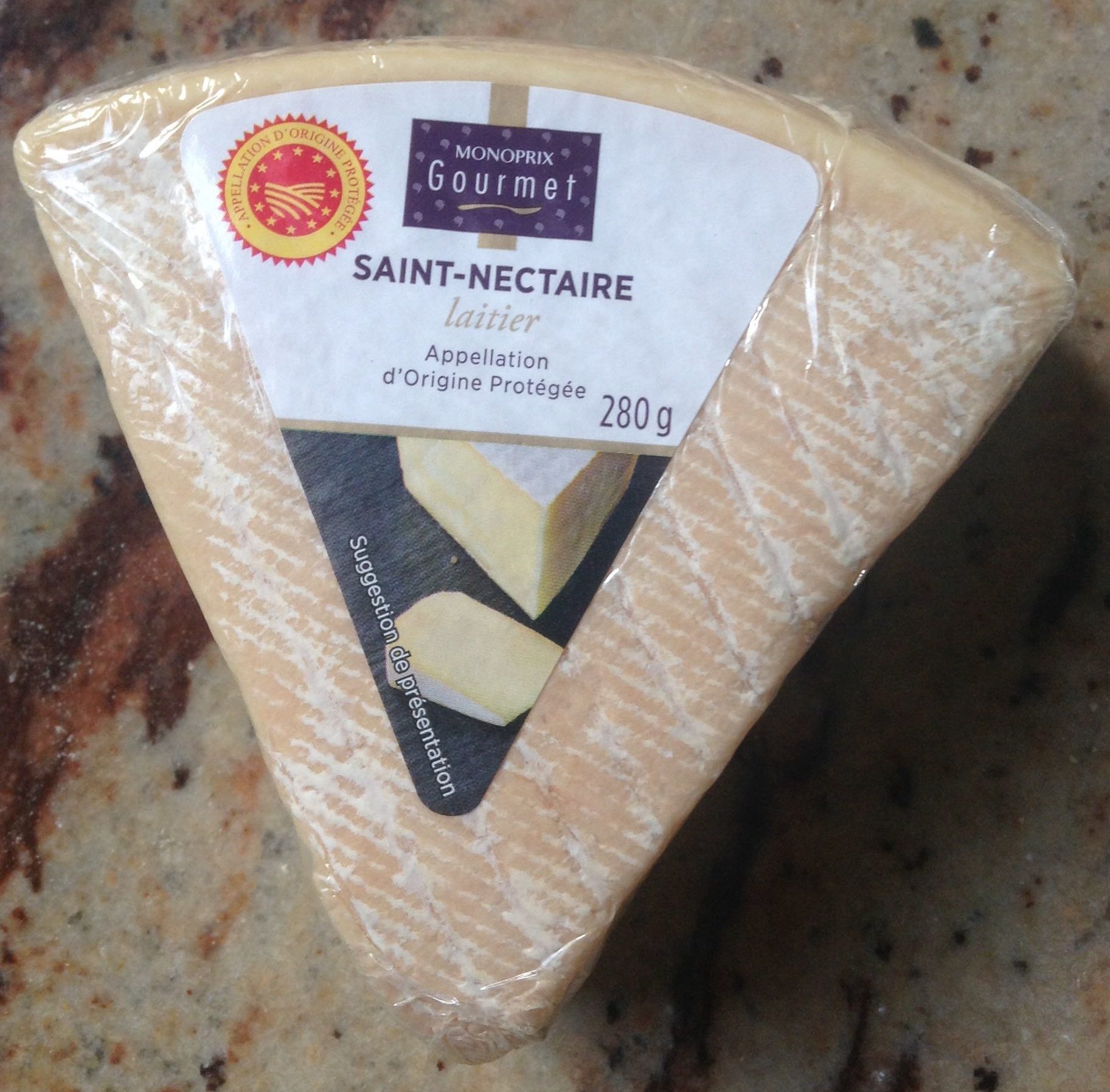
Saint-Nectaire laitier is a traditional cheese made from pasteurized cow's milk, salt, cultures, and animal rennet, with a clean ingredient list that aligns with traditional cheesemaking practices. Despite being processed, it lacks harmful additives or seed oils, which supports a higher score within its category. The cheese's processing level limits its maximum score, but its simple and traditional formulation allows it to reach the upper range for processed foods.
Key ingredients 5
CulturesGood
Beneficial ingredient — whole-food or functional value in this product class.
Benefits
Contributes to the development of flavor and texture in cheese, and may provide probiotic benefits depending on the strains used.
Pasteurized cow's milkNeutral
Pasteurized cow's milk is a primary ingredient in cheese, providing essential proteins and fats. The pasteurization process kills harmful bacteria but may also reduce some beneficial enzymes. It is a standard ingredient in many dairy products.
Benefits
Provides essential nutrients such as calcium and protein, which are important for bone health and muscle maintenance.
SaltNeutral
Salt is used in cheese for flavor and as a preservative. It is a common ingredient in many processed foods. Excessive consumption can lead to health issues such as high blood pressure.
Risks
High sodium intake can contribute to hypertension and cardiovascular diseases.
Benefits
Enhances flavor and acts as a preservative in cheese, extending shelf life.
Animal rennetNeutral
Animal rennet is an enzyme used to coagulate milk in cheese production. It is a traditional ingredient in many cheeses. The use of animal rennet may be a concern for vegetarians.
Risks
May not be suitable for vegetarians due to its animal origin.
Benefits
Essential for coagulating milk, leading to the formation of curds in cheese-making.
Calcium chlorideNeutral
Calcium chloride is used in cheese-making to improve curd formation and texture. It is a common additive in the dairy industry. It helps maintain the firmness of the cheese.
Benefits
Improves curd formation and texture in cheese, enhancing the final product quality.
Processing
Processed Foods
Get the full breakdown in the Scout appTake Scout shopping
Scan any product to see lab results, healthy alternatives, and your personalized analysis.
Download on theApp Store GET IT ONGoogle Play