

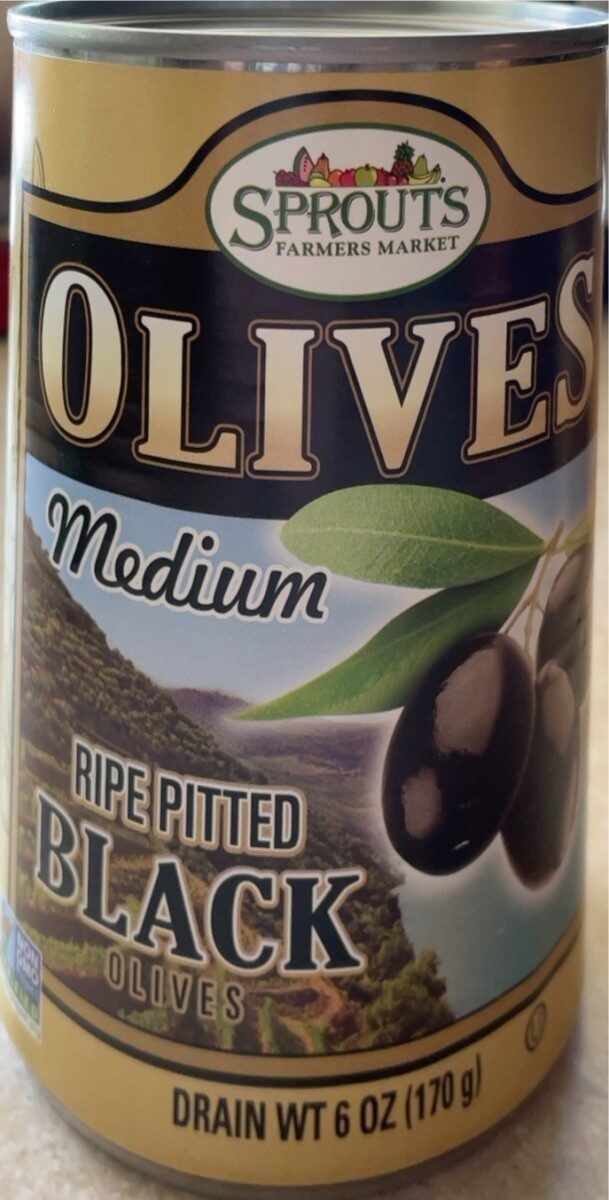

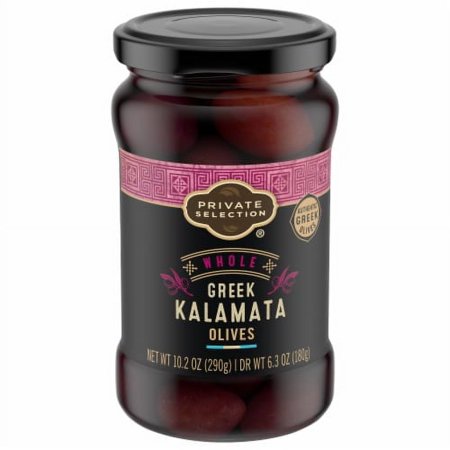

Olives vertes denoyautées ail basilic
Analysis updated June 2026 · How Scout scores
At a glance
Summary
This product contains green olives, which are a good source of healthy fats and antioxidants, along with beneficial ingredients like garlic and basil. However, the presence of rapeseed oil, a seed oil high in omega-6 fatty acids, is a concern due to its potential inflammatory effects. Additionally, the product is processed, which limits its score despite the presence of some healthy ingredients.
Key ingredients 7
Green olivesGood
Green olives are a source of healthy monounsaturated fats and antioxidants. They contain compounds like oleuropein that have anti-inflammatory properties. The fermentation process enhances their probiotic content, which can benefit gut health.
Risks
High sodium content in olives can be a concern for individuals with hypertension if consumed in excess.
Benefits
Rich in monounsaturated fats that support heart health and provide anti-inflammatory properties. Contains antioxidants that may reduce oxidative stress.
Rehydrated chopped garlicGood
Garlic is known for its potential health benefits, including antimicrobial and cardiovascular properties. Rehydrated garlic retains many of these beneficial compounds. It can enhance flavor while providing health-promoting antioxidants.
Benefits
Contains allicin, which may support heart health and immune function.
Dried basilGood
Dried basil is a herb rich in antioxidants and essential oils that may have anti-inflammatory effects. It is used to enhance flavor and provide potential health benefits. The drying process concentrates its beneficial compounds.
Benefits
Rich in antioxidants that may support overall health and reduce inflammation.
SaltNeutral
Salt is used as a preservative and flavor enhancer in many foods. It is a refined form of sodium chloride without additional trace minerals. While necessary for bodily functions, excessive intake can lead to health issues like hypertension.
Risks
Excessive sodium intake is linked to increased blood pressure and cardiovascular risk.
Benefits
Essential for maintaining fluid balance and nerve function in the body.
VinegarNeutral
Vinegar is used as an acidifying agent and preservative in foods. It is a natural product derived from fermentation. While it can enhance flavor, it does not provide significant nutritional benefits.
Benefits
May aid in digestion and provide a tangy flavor to foods.
Citric acidNeutral
Citric acid is a natural acid found in citrus fruits, used as a preservative and flavor enhancer. It is generally recognized as safe and widely used in food processing. While it helps maintain freshness, it does not offer significant health benefits.
Benefits
Helps preserve food and enhance flavor without adding calories.
Rapeseed oilVery Bad
Rapeseed oil, commonly known as canola oil, is a seed oil high in omega-6 fatty acids. The refining process often involves high heat and chemicals, which can degrade its nutritional quality. Excessive consumption may contribute to inflammation due to its omega-6 content.
Risks
High omega-6 content may promote inflammation when consumed in excess. Processing methods can introduce harmful trans fats.
Processing
Processed Foods
Get the full breakdown in the Scout appTake Scout shopping
Scan any product to see lab results, healthy alternatives, and your personalized analysis.
Download on theApp Store GET IT ONGoogle Play