



At a glance
Summary
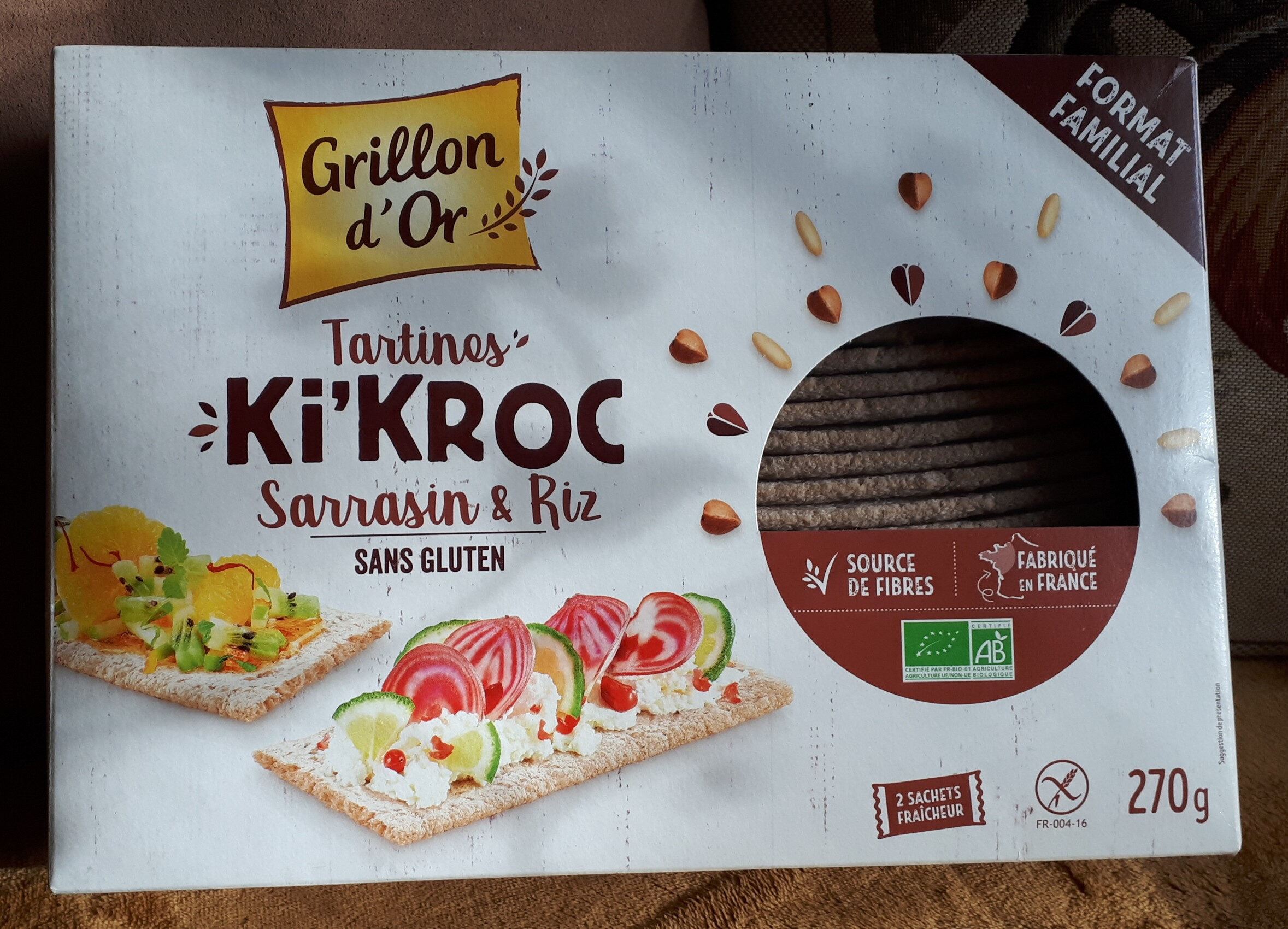
This product is primarily made from buckwheat flour, which is a nutritious whole grain, and rice flour, both of which are minimally processed and contribute to its fiber and protein content. However, the presence of cane sugar, a refined sugar, adds unnecessary calories without nutritional benefits. The product's processing level limits its score, despite the use of organic ingredients.
Key ingredients 4
Buckwheat flourGood
Buckwheat flour is a nutritious whole grain flour that is gluten-free and rich in fiber and essential nutrients. It is minimally processed and often used in organic products, providing a good source of protein and antioxidants. Its consumption may support heart health and improve digestion.
Benefits
Rich in fiber and essential nutrients, supporting heart health and digestion. Provides a good source of protein and antioxidants.
Rice flourNeutral
Rice flour is a gluten-free flour commonly used in processed foods. It is a refined carbohydrate with a neutral nutritional profile, lacking significant fiber or protein. While it is a suitable alternative for those with gluten intolerance, it offers limited nutritional benefits compared to whole grain flours.
Risks
May contribute to high glycemic index when consumed in large amounts.
Benefits
Provides a gluten-free alternative for baking and cooking, suitable for those with gluten intolerance.
SaltNeutral
Salt is a common seasoning used to enhance flavor in foods. It is a refined product that provides sodium, an essential mineral, but lacks the trace minerals found in unrefined salts. While necessary for bodily functions, excessive intake can lead to health issues.
Risks
High sodium intake can contribute to hypertension and cardiovascular diseases.
Benefits
Provides essential sodium necessary for various bodily functions.
Cane sugarBad
Cane sugar is a refined sugar that contributes to increased calorie intake without providing essential nutrients. It is often associated with negative health impacts such as increased risk of obesity and metabolic disorders. Its consumption should be moderated to prevent potential health issues.
Risks
Excessive consumption can lead to obesity, diabetes, and other metabolic disorders.
Processing
Processed Foods
Get the full breakdown in the Scout appTake Scout shopping
Scan any product to see lab results, healthy alternatives, and your personalized analysis.
Download on theApp Store GET IT ONGoogle Play