


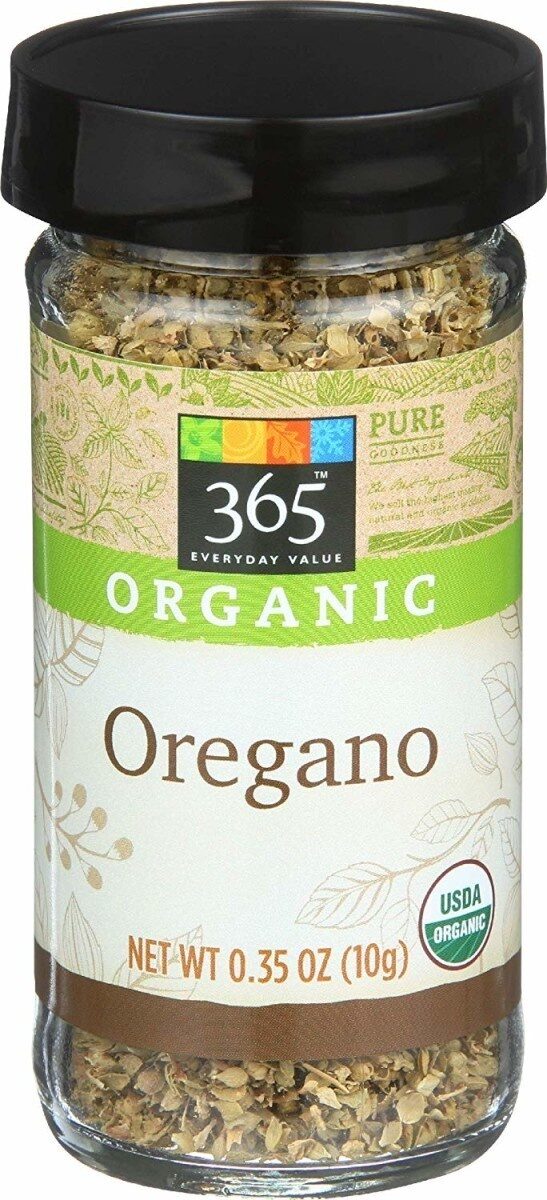
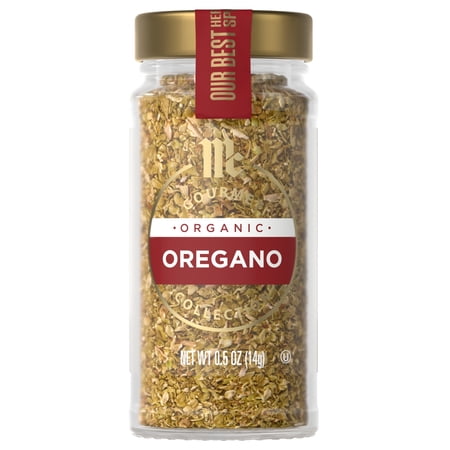
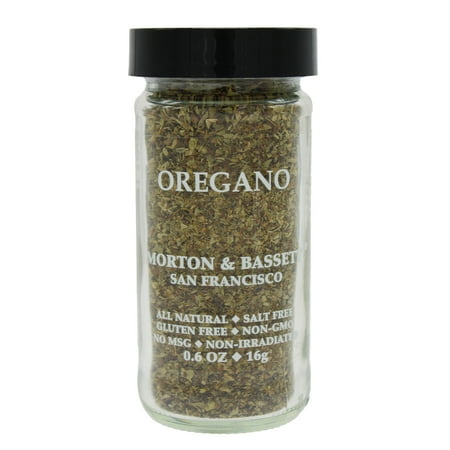
Oro di Parma Pizzasauce Oregano
Analysis updated August 2026 · How Scout scores
At a glance
Summary
This pizza sauce contains beneficial ingredients like tomato pieces, tomato paste, and oregano, which provide vitamins and antioxidants. However, the presence of refined sugar and the use of a flavoring agent slightly detract from its healthfulness. The product is moderately processed, which limits its score despite the overall clean ingredient list.
Key ingredients 7
Tomato piecesGood
Tomato pieces are a source of vitamins and antioxidants, particularly lycopene, which is beneficial for heart health. They are minimally processed, retaining most of their natural nutrients. The presence of fiber also supports digestive health.
Benefits
Rich in vitamins A and C, and antioxidants like lycopene, which may reduce the risk of chronic diseases.
Tomato pasteGood
Tomato paste is concentrated, enhancing its nutrient density, particularly in lycopene and vitamin C. It is a processed form of tomatoes but retains significant nutritional benefits. The concentration process increases the availability of certain antioxidants.
Benefits
Provides a concentrated source of antioxidants and vitamins, supporting overall health.
OreganoGood
Oregano is a herb rich in antioxidants and has potential anti-inflammatory properties. It is used for flavoring and may offer health benefits due to its phytochemical content. The herb is minimally processed, retaining its natural benefits.
Benefits
Contains antioxidants and compounds that may support immune health and reduce inflammation.
SaltNeutral
Salt is used as a seasoning and preservative, providing essential sodium for bodily functions. However, excessive intake can lead to hypertension and cardiovascular issues. It is a common ingredient in processed foods.
Risks
High sodium intake is linked to increased blood pressure and cardiovascular risk.
Benefits
Provides essential sodium necessary for nerve and muscle function.
Natural oregano flavorNeutral
Natural oregano flavor is used to enhance the taste of the product. It is derived from oregano but may not provide the same health benefits as the whole herb. The processing involved in flavor extraction can reduce the presence of beneficial compounds.
Benefits
Enhances flavor without significant nutritional benefits.
Citric acidNeutral
Citric acid is used as a preservative and to add acidity, enhancing flavor and shelf life. It is naturally found in citrus fruits but is often industrially produced for food use. It is generally recognized as safe when consumed in typical amounts.
Risks
Excessive consumption may cause digestive discomfort in sensitive individuals.
Benefits
Helps preserve food and enhance flavor without significant nutritional benefits.
SugarBad
Refined sugar is associated with increased calorie intake without providing essential nutrients. It can contribute to weight gain and metabolic issues when consumed in excess. The presence of sugar in processed foods can lead to overconsumption.
Risks
Excessive consumption may lead to obesity, diabetes, and other metabolic disorders.
Processing
Processed Foods
Get the full breakdown in the Scout appTake Scout shopping
Scan any product to see lab results, healthy alternatives, and your personalized analysis.
Download on theApp Store GET IT ONGoogle PlayAmazon pricing & content
Amazon price as of . Product prices and availability are accurate as of the date/time indicated and are subject to change. Any price and availability information displayed on Amazon.com at the time of purchase will apply to the purchase of this product.
CERTAIN CONTENT THAT APPEARS ON THIS SITE COMES FROM AMAZON. THIS CONTENT IS PROVIDED “AS IS” AND IS SUBJECT TO CHANGE OR REMOVAL AT ANY TIME.