


At a glance
Summary
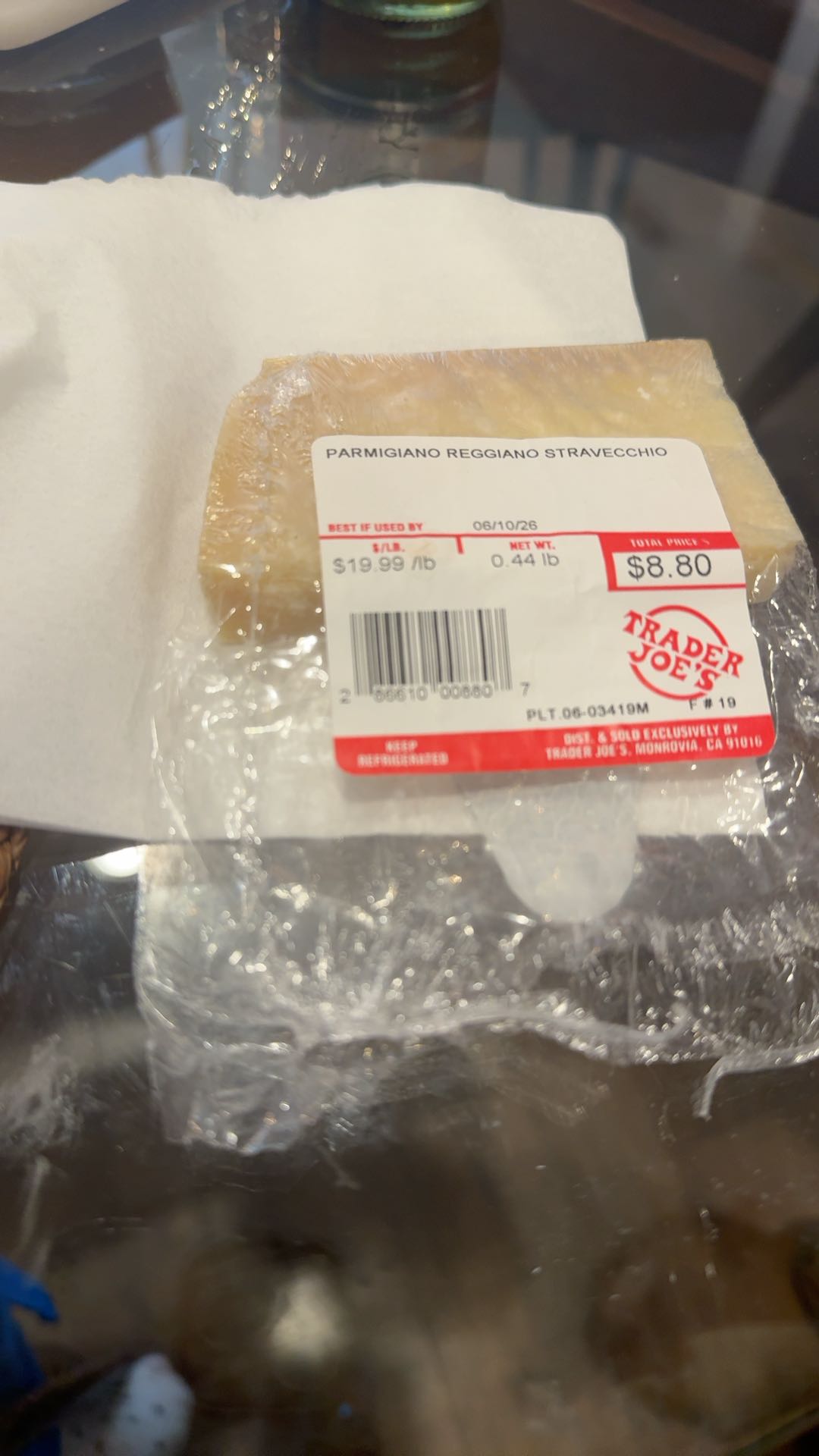
This product is a processed cheese with a relatively simple ingredient list, including skim milk, cream, salt, lactic cultures, and microbial rennet. The presence of cream adds beneficial fats, and the absence of artificial additives or seed oils is positive. However, due to its processing level, the score is capped, despite the clean label.
Key ingredients 5
CreamGood
Cream adds richness and flavor to dairy products, contributing to a creamy texture. It contains saturated fats, which can be part of a balanced diet when consumed in moderation. The presence of cream enhances the overall taste and mouthfeel of the product.
Risks
Excessive consumption of saturated fats may contribute to heart disease risk.
Benefits
Enhances flavor and texture, and provides fat-soluble vitamins like A and D.
Skim milkNeutral
Skim milk is a low-fat dairy product that provides protein and calcium. It is processed to remove most of the fat content, which may reduce some fat-soluble vitamins. It is a common base for many dairy products, offering a neutral nutritional profile.
Benefits
Provides a source of protein and calcium, essential for bone health.
SaltNeutral
Salt is used to enhance flavor and preserve food. It is a common ingredient in cheese-making, contributing to the taste and shelf-life of the product. While necessary for flavor, excessive salt intake can lead to health issues.
Risks
High sodium intake can increase blood pressure and risk of cardiovascular diseases.
Benefits
Enhances flavor and acts as a preservative in food products.
Lactic acid culturesNeutral
Lactic acid cultures are used in fermentation to develop flavor and texture in cheese. They help in the acidification process, which is crucial for cheese production. These cultures are generally considered safe and beneficial for gut health.
Benefits
Contributes to the fermentation process, enhancing flavor and potentially supporting gut health.
Microbial rennetNeutral
Microbial rennet is an enzyme used to coagulate milk in cheese-making. It is a vegetarian alternative to animal rennet, making it suitable for vegetarian diets. It is widely used in the cheese industry for its effectiveness and consistency.
Benefits
Facilitates the cheese-making process and is suitable for vegetarians.
Processing
Processed Foods
Get the full breakdown in the Scout appTake Scout shopping
Scan any product to see lab results, healthy alternatives, and your personalized analysis.
Download on theApp Store GET IT ONGoogle Play