


At a glance
Summary
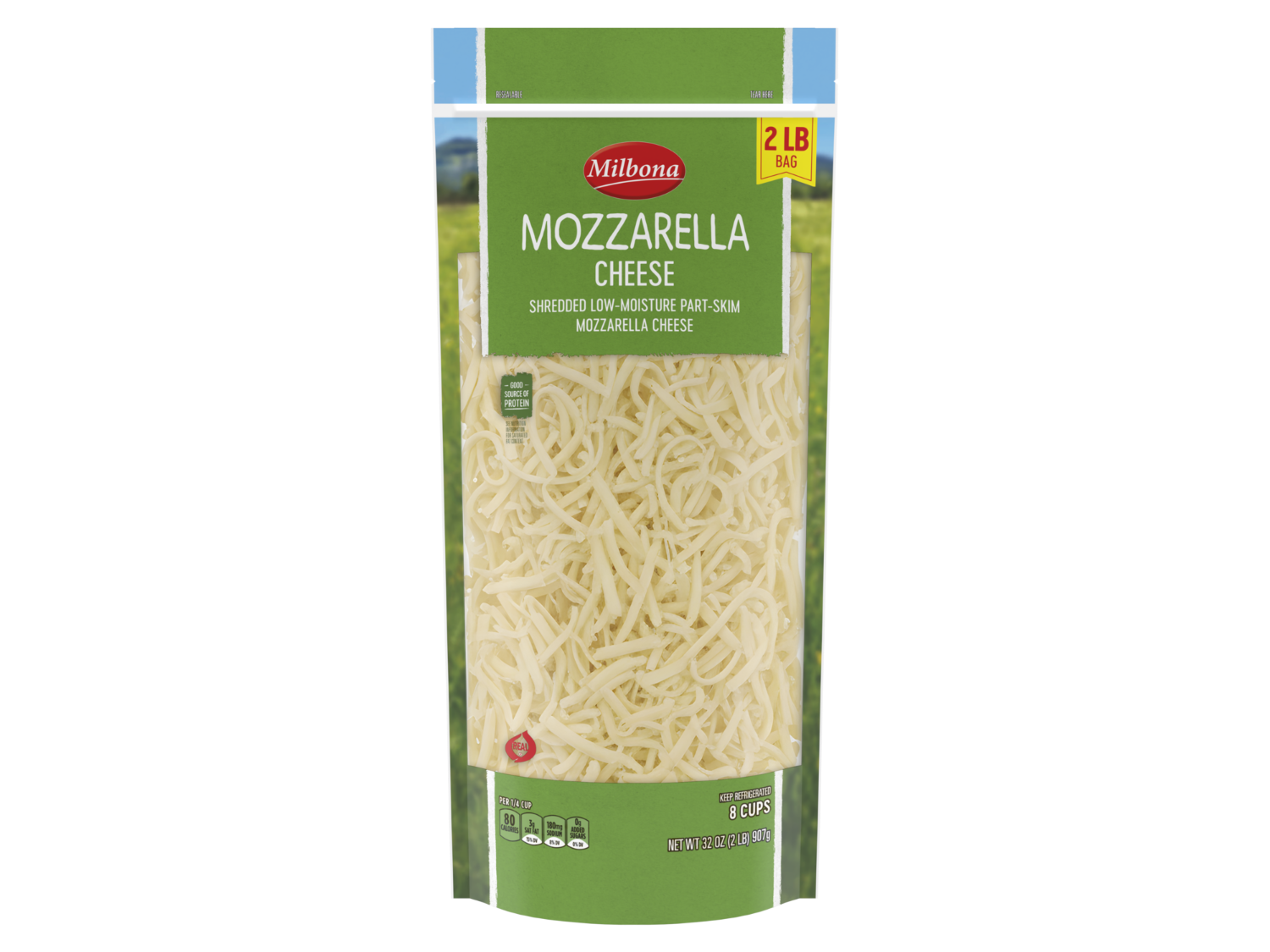
This mozzarella cheese is a processed food but maintains a clean ingredient list with minimal additives. It is primarily composed of mozzarella cheese, which provides high-quality protein and calcium. The presence of citric acid as an acidity regulator is the only additive, which is generally considered safe and does not significantly detract from the product's nutritional value.
Key ingredients 3
Mozzarella cheeseGood
Mozzarella cheese is a source of high-quality protein and calcium, essential for bone health. It is made from milk, which provides a rich source of nutrients. The cheese is minimally processed, retaining most of its natural benefits.
Benefits
Rich in protein and calcium, supporting muscle and bone health. Contains beneficial fats and vitamins that contribute to overall nutrition.
SaltNeutral
Salt is used to enhance flavor and preserve the cheese. It is a common culinary ingredient with no significant processing. While necessary for flavor, excessive consumption can lead to health issues.
Risks
High sodium intake can contribute to hypertension and cardiovascular issues.
Benefits
Essential for flavor enhancement and preservation in cheese production.
Citric acidNeutral
Citric acid is used as an acidity regulator in cheese production. It is a naturally occurring compound found in citrus fruits. Its use in food is generally recognized as safe.
Benefits
Helps maintain the desired acidity level in cheese, contributing to texture and flavor.
Processing
Processed Foods
Get the full breakdown in the Scout appTake Scout shopping
Scan any product to see lab results, healthy alternatives, and your personalized analysis.
Download on theApp Store GET IT ONGoogle Play