



At a glance
Summary
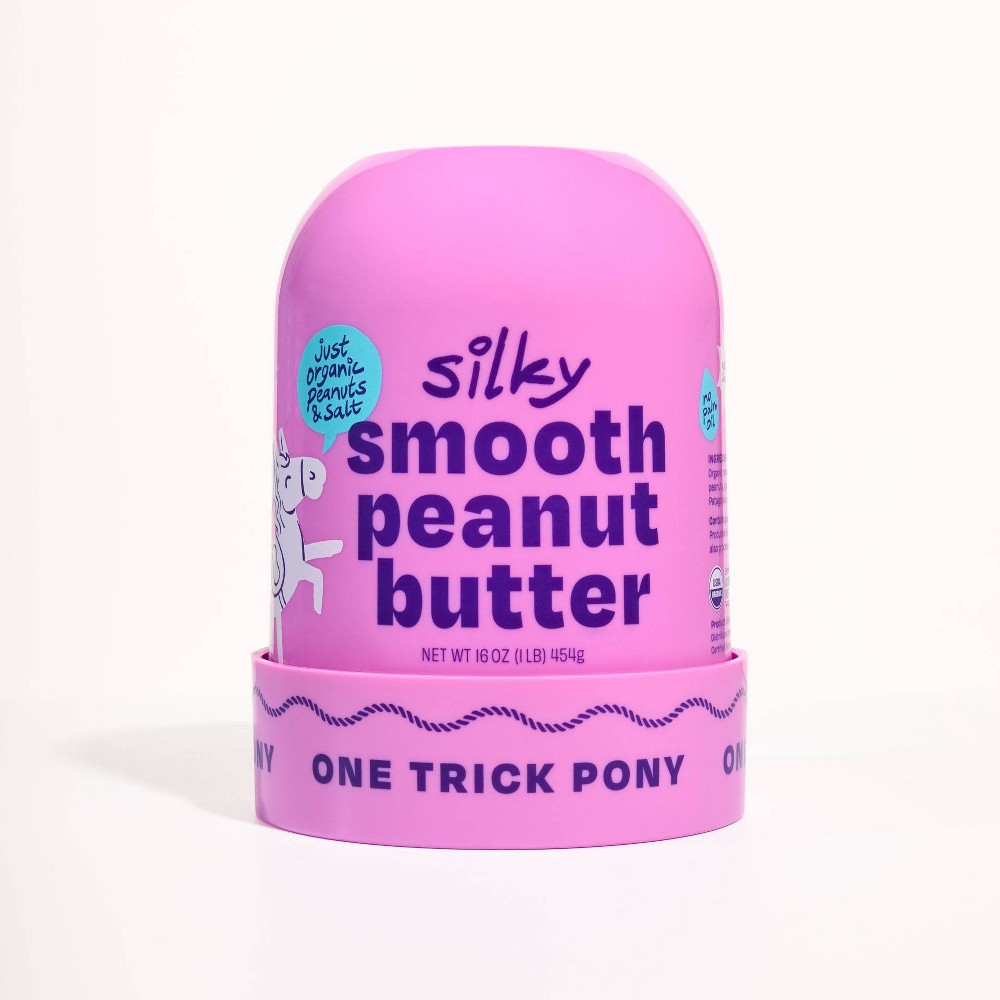
This peanut butter contains a high percentage of roasted peanuts, which are a good source of protein and healthy fats. However, the inclusion of palm oil, even if sustainably sourced, adds saturated fats that can be detrimental to heart health. The product is moderately processed, which limits its score despite the presence of beneficial ingredients.
Key ingredients 5
Roasted peanutsGood
Roasted peanuts are a rich source of protein and healthy fats. They provide essential nutrients such as magnesium and vitamin E. The roasting process enhances flavor without significantly degrading nutritional value.
Risks
Potential allergen for individuals with peanut allergies.
Benefits
Rich in protein and healthy fats, supporting muscle growth and heart health. Contains antioxidants that may reduce inflammation.
SaltNeutral
Salt is used to enhance flavor and preserve food. It is essential for maintaining fluid balance and nerve function. However, excessive intake can lead to hypertension and cardiovascular issues.
Risks
High sodium intake is associated with increased risk of hypertension and cardiovascular diseases.
Benefits
Essential for maintaining electrolyte balance and proper muscle function.
Peanut oilBad
Processed additive flagged under Scout's ingredient doctrine.
Risks
High omega-6 content may promote inflammation when consumed in excess.
Benefits
Provides a stable cooking oil option with a high smoke point, suitable for high-temperature cooking.
Certified sustainable palm oilBad
Palm oil is often criticized for its environmental impact, though certified sustainable sources aim to mitigate this. It is high in saturated fats, which can be detrimental to heart health if consumed in excess. The certification indicates efforts to reduce deforestation and habitat destruction.
Risks
High in saturated fats, which may contribute to heart disease if consumed excessively.
Benefits
Certified sustainable palm oil supports more environmentally friendly practices compared to non-certified sources.
Cane sugarBad
Processed additive flagged under Scout's ingredient doctrine.
Risks
Excessive intake can contribute to obesity, insulin resistance, and dental cavities.
Benefits
Provides a quick source of energy but should be consumed in moderation.
Processing
Processed Foods
Get the full breakdown in the Scout appTake Scout shopping
Scan any product to see lab results, healthy alternatives, and your personalized analysis.
Download on theApp Store GET IT ONGoogle Play