


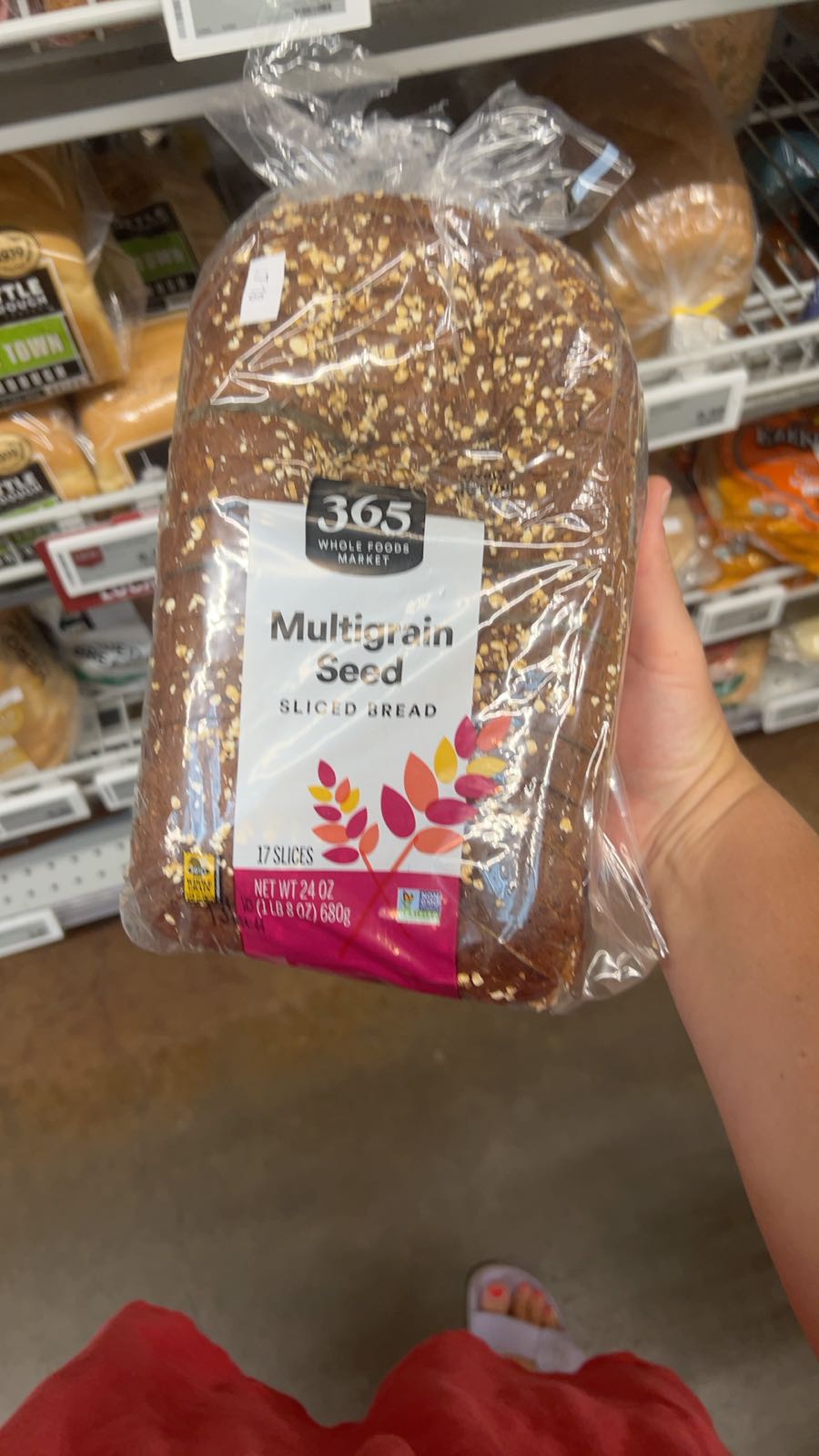


Sliced Bread
Summary
This sliced bread contains beneficial ingredients like sourdough and mixed seeds, which enhance its nutritional profile and digestibility. However, the presence of rapeseed oil and palm oil, both of which are less desirable fats, along with its processed nature, limit its overall healthiness. The bread's processing level and inclusion of these oils prevent it from achieving a higher score.
At a glance
Key ingredients 16
Wheat FlourNeutral
Wheat flour is a staple ingredient in bread, providing structure and texture. It is a refined carbohydrate, which can lead to rapid spikes in blood sugar levels. Whole grain alternatives offer more fiber and nutrients compared to refined wheat flour.
Risks
Refined wheat flour can contribute to blood sugar spikes and may lack essential nutrients found in whole grains.
Benefits
Provides essential carbohydrates for energy, though whole grain options are more nutritious.
WaterNeutral
Water is a fundamental ingredient in bread, necessary for dough formation and yeast activation. It is a neutral ingredient with no direct nutritional impact. Its quality can affect the texture and rise of the bread.
Benefits
Essential for hydration and dough consistency.
SourdoughGood
Sourdough is a natural leavening agent that enhances flavor and texture. It can improve digestibility and nutrient absorption due to its fermentation process. The fermentation also reduces phytic acid, which can enhance mineral absorption.
Benefits
Improves digestibility and nutrient absorption, and adds a unique flavor profile.
Wheat SemolinaNeutral
Wheat semolina is a coarser grind of wheat used to add texture and flavor. It is similar to wheat flour but retains more of the wheat kernel's nutrients. It is often used in pasta and some bread recipes for its hearty texture.
Risks
May contribute to gluten sensitivity in susceptible individuals.
Benefits
Provides a slightly higher nutrient content than refined flour.
Liquid YeastNeutral
Liquid yeast is used to ferment dough, contributing to the bread's rise and flavor. It is a natural ingredient with no significant health concerns. The yeast fermentation process can enhance the bread's flavor and texture.
Benefits
Enhances flavor and texture through natural fermentation.
Barley Malt ExtractNeutral
Barley malt extract is used as a natural sweetener and flavor enhancer in bread. It provides a mild sweetness and can improve the bread's color and texture. It is a natural ingredient but should be consumed in moderation due to its sugar content.
Risks
Contains sugars that can contribute to caloric intake.
Benefits
Adds natural sweetness and enhances flavor and color.
SaltNeutral
Salt is used to enhance flavor and control yeast activity in bread. It is a necessary ingredient for taste and texture but should be consumed in moderation. Excessive salt intake can lead to health issues such as hypertension.
Risks
Excessive consumption can lead to high blood pressure and cardiovascular issues.
Benefits
Enhances flavor and helps control yeast fermentation.
Baking AgentNeutral
Baking agents are used to improve the texture and volume of bread. They are typically neutral in terms of health impact but can vary based on specific additives used. The exact composition of the baking agent can affect the bread's quality.
Risks
Potential for additives that may not be beneficial if consumed in large quantities.
Benefits
Improves texture and volume of the bread.
Rapeseed OilVery Bad
Rapeseed oil, also known as canola oil, is a seed oil high in omega-6 fatty acids. It is often highly processed and can contribute to inflammation when consumed in excess. Alternatives like olive oil offer healthier fat profiles.
Risks
High omega-6 content may promote inflammation when consumed in excess.
Palm OilBad
Palm oil is a saturated fat that is often used for its stability and texture in processed foods. It is associated with environmental concerns due to deforestation. While it provides a stable fat source, it lacks the health benefits of unsaturated fats.
Risks
High in saturated fats, which may impact heart health if consumed excessively.
Benefits
Provides stability and texture in food products.
Calcium CarbonateNeutral
Calcium carbonate is used as a dietary supplement and leavening agent in bread. It is a source of calcium, which is essential for bone health. However, its bioavailability is lower compared to other calcium sources.
Benefits
Provides a source of calcium, important for bone health.
IronGood
Iron is an essential mineral added to fortify bread, supporting oxygen transport in the body. It is crucial for preventing anemia and maintaining energy levels. Fortification helps meet dietary iron needs, especially in populations at risk of deficiency.
Risks
Excessive iron intake can lead to toxicity, but this is rare from fortified foods.
Benefits
Essential for oxygen transport and energy production, helping prevent anemia.
NiacinGood
Niacin, or vitamin B3, is added to support energy metabolism and nervous system health. It is essential for converting food into energy and maintaining healthy skin and nerves. Fortification ensures adequate intake of this vital nutrient.
Benefits
Supports energy metabolism and nervous system health.
ThiaminGood
Thiamin, or vitamin B1, is crucial for carbohydrate metabolism and nerve function. It is added to bread to prevent deficiencies and support overall health. Fortification helps ensure adequate intake, especially in diets reliant on refined grains.
Benefits
Essential for energy metabolism and nerve function.
Ascorbic AcidNeutral
Ascorbic acid, or vitamin C, is used as a dough conditioner to improve bread quality. It enhances gluten strength and can extend shelf life. While it is beneficial for dough, its nutritional impact in bread is minimal.
Benefits
Improves dough quality and shelf life.
Mixed SeedsGood
Mixed seeds add nutritional value and texture to bread, providing healthy fats, fiber, and protein. They contribute to heart health and satiety. Including seeds enhances the bread's nutrient profile and offers a source of essential fatty acids.
Benefits
Rich in healthy fats, fiber, and protein, supporting heart health and satiety.
Processing
Processed Foods
Get the full breakdown in the Scout app
Scan any product to see lab results, healthy alternatives, and your personalized analysis.
Download on theApp Store