

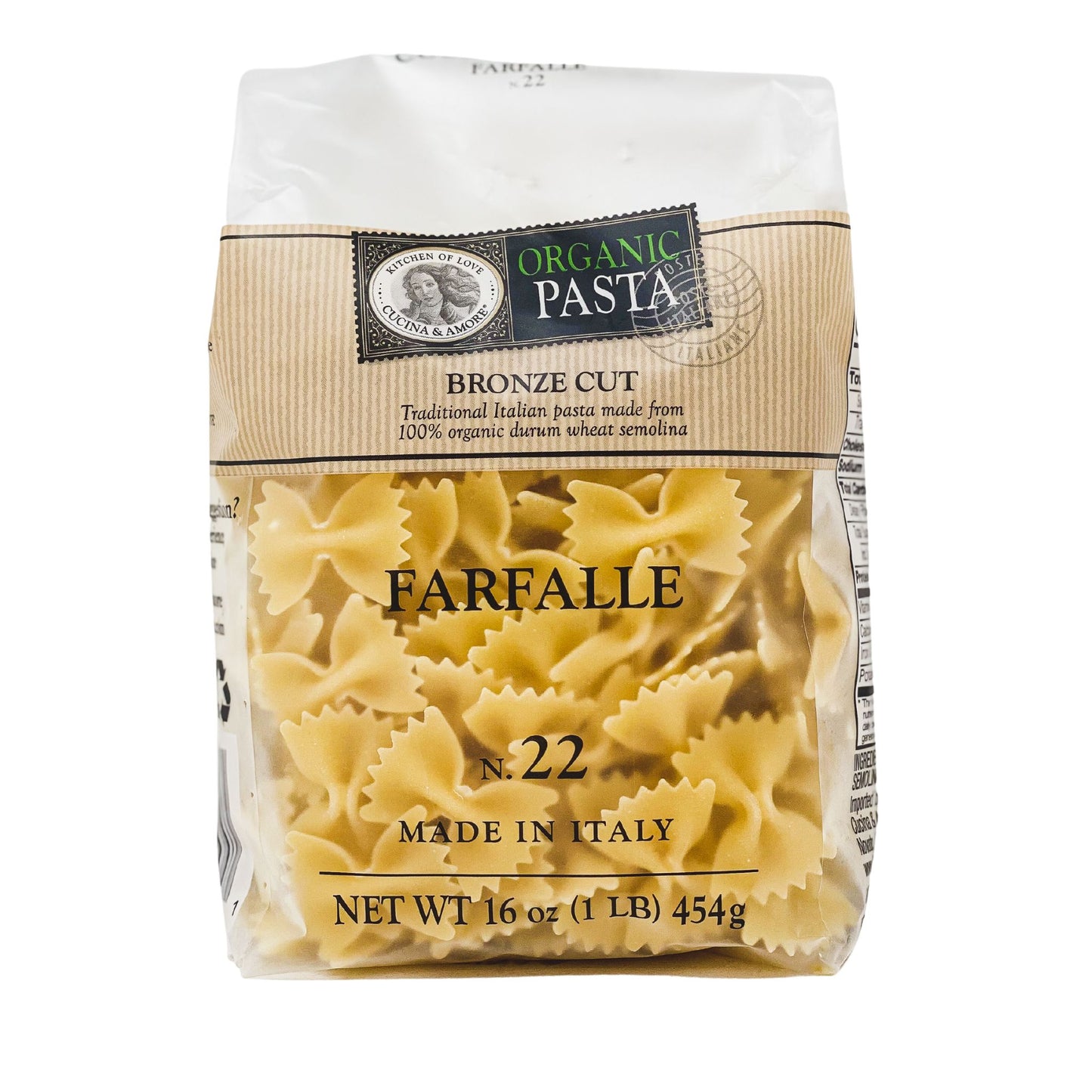


At a glance
Summary
This tortelloni product features a clean ingredient list with high-quality components such as eggs, olive oil, and various cheeses, which contribute beneficial nutrients like protein, healthy fats, and calcium. The presence of minimally processed ingredients like spinach and garlic further enhances its nutritional profile. Despite being processed, the absence of harmful additives and the use of wholesome ingredients allow it to achieve a high score within its category.
Key ingredients 16
Olive OilVery Good
Olive oil is a high-quality monounsaturated fat with anti-inflammatory properties. It contains antioxidants that support heart health. Cold-pressed extraction preserves beneficial compounds.
Benefits
Rich in monounsaturated fats that support heart health and provide anti-inflammatory properties.
SpinachVery Good
Spinach is a nutrient-dense leafy green rich in vitamins A, C, and K, as well as iron and antioxidants. It supports eye health, immune function, and has anti-inflammatory properties. It is a versatile ingredient in many dishes.
Risks
Contains oxalates, which may affect individuals prone to kidney stones.
Benefits
Rich in vitamins and antioxidants, supporting overall health and reducing inflammation.
EggsGood
Eggs are a high-quality source of protein and essential nutrients. They contain all nine essential amino acids and are rich in vitamins like B12 and D. Eggs also provide healthy fats and antioxidants such as lutein and zeaxanthin.
Risks
Potential allergen for some individuals.
Benefits
Rich in protein and essential nutrients, supporting muscle health and overall nutrition.
Heavy CreamGood
Beneficial ingredient — whole-food or functional value in this product class.
Risks
High in saturated fats and calories, which may contribute to weight gain if consumed excessively.
Benefits
Adds richness and flavor, and provides fat-soluble vitamins.
MilkGood
Milk is a good source of calcium, protein, and essential vitamins. It supports bone health and provides a balanced nutrient profile. It is a versatile ingredient in many culinary applications.
Risks
Potential allergen for lactose-intolerant individuals.
Benefits
Supports bone health and provides essential nutrients like calcium and protein.
GarlicGood
Garlic is known for its potential health benefits, including antimicrobial and anti-inflammatory properties. It contains compounds like allicin that may support cardiovascular health. It is widely used for its flavor and health-promoting properties.
Risks
May cause digestive discomfort in some individuals.
Benefits
Offers antimicrobial and cardiovascular benefits due to compounds like allicin.
Pecorino CheeseGood
Pecorino cheese is a flavorful cheese made from sheep's milk, rich in protein and calcium. It adds depth to dishes and contains beneficial fats. It is a traditional ingredient in many Italian recipes.
Risks
High in sodium and saturated fats, which may affect heart health if consumed in excess.
Benefits
Rich in protein and calcium, supporting bone health and adding flavor.
Ricotta CheeseGood
Ricotta cheese is a soft cheese high in protein and calcium. It is lower in fat compared to other cheeses and provides a creamy texture. It is versatile in both savory and sweet dishes.
Risks
Potential allergen for those with dairy sensitivities.
Benefits
High in protein and calcium, supporting muscle and bone health.
Parmesan CheeseGood
Parmesan cheese is a hard cheese rich in protein and calcium. It is aged, which enhances its flavor and digestibility. It is a staple in many culinary dishes for its umami flavor.
Risks
High in sodium and saturated fats, which may affect heart health if consumed in excess.
Benefits
Rich in protein and calcium, supporting bone health and adding umami flavor.
Black PepperGood
Beneficial ingredient — whole-food or functional value in this product class.
Benefits
May improve nutrient absorption and enhance flavor.
ParsleyGood
Parsley is a herb rich in vitamins A, C, and K, and antioxidants. It supports immune function and has anti-inflammatory properties. It is used to enhance flavor and garnish dishes.
Benefits
Rich in vitamins and antioxidants, supporting immune health and reducing inflammation.
All Purpose FlourNeutral
All purpose flour is a refined carbohydrate that provides energy. It lacks fiber and essential nutrients compared to whole grain alternatives. It is commonly used in pasta for its texture and binding properties.
Risks
Refined flour can contribute to blood sugar spikes and lacks nutritional density.
Benefits
Provides a source of carbohydrates necessary for energy.
SaltNeutral
Salt is used to enhance flavor and preserve food. It is a source of sodium, which is essential for fluid balance and nerve function. However, excessive intake can lead to health issues such as hypertension.
Risks
Excessive consumption can contribute to high blood pressure and cardiovascular issues.
Benefits
Essential for maintaining fluid balance and nerve function.
WaterNeutral
Water is a fundamental ingredient used in cooking and food preparation. It is essential for hydration and does not contribute calories or nutrients. It acts as a solvent and medium for cooking.
Benefits
Essential for hydration and acts as a medium for cooking.
ButterNeutral
Butter is a source of saturated fat and provides flavor and texture to foods. It contains fat-soluble vitamins like A and D. While it can be part of a balanced diet, excessive consumption may impact heart health.
Risks
High in saturated fats, which may affect heart health if consumed in excess.
Benefits
Provides fat-soluble vitamins and enhances flavor and texture.
NutmegNeutral
Nutmeg is a spice used for its aromatic flavor. It contains essential oils and compounds that may have antioxidant properties. It is typically used in small amounts due to its potent flavor.
Risks
Excessive consumption can lead to toxicity and adverse effects.
Benefits
Provides aromatic flavor and may have antioxidant properties.
Processing
Processed Foods
Get the full breakdown in the Scout appTake Scout shopping
Scan any product to see lab results, healthy alternatives, and your personalized analysis.
Download on theApp Store GET IT ONGoogle Play