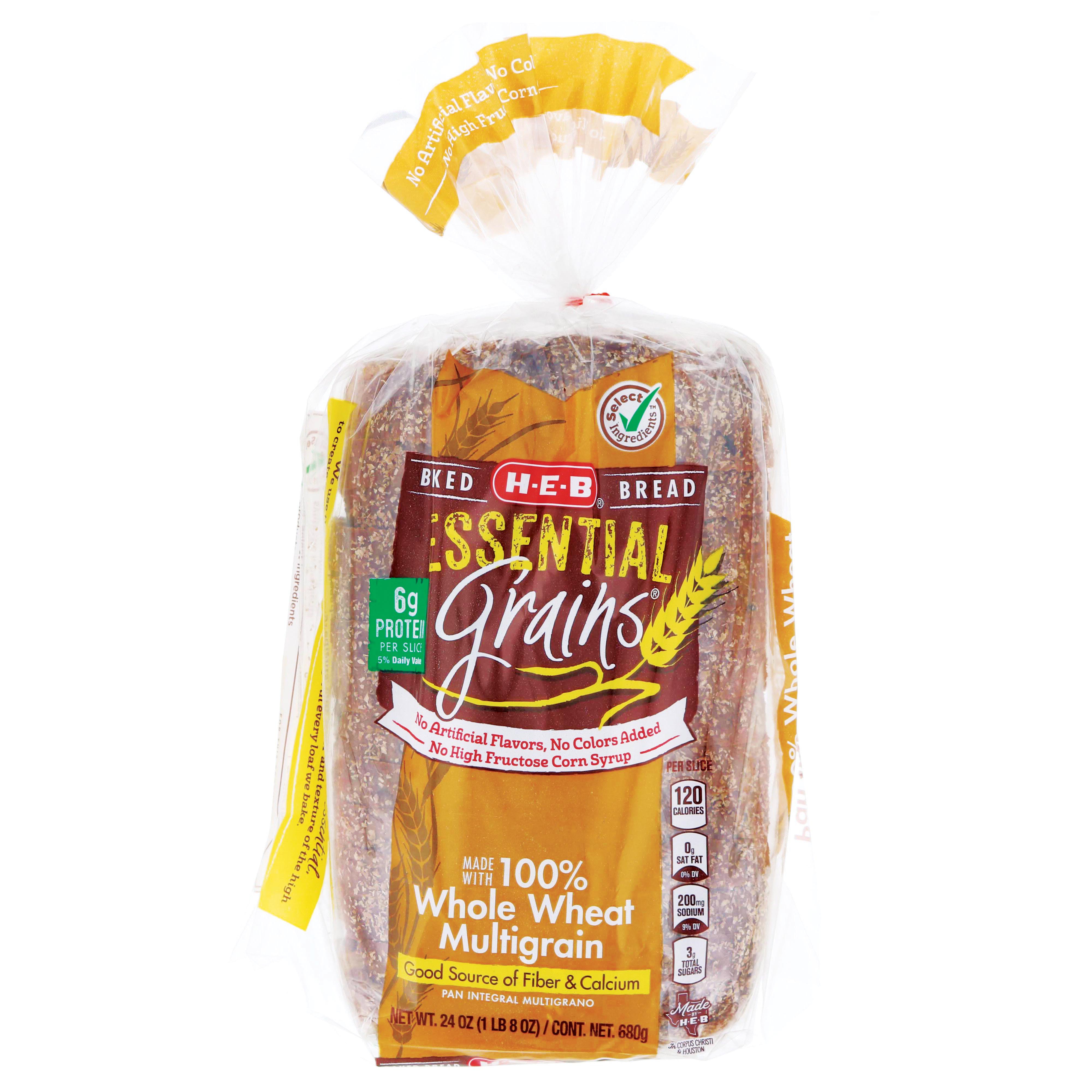
Organic Sprouted 7 Grain Bread
Simply Nature
At a glance
Summary
This bread is made with whole wheat flour and oat fiber, which are beneficial for providing dietary fiber and essential nutrients. However, the presence of sunflower oil, a seed oil high in omega-6 fatty acids, and brown sugar, a refined sugar, detracts from its overall healthiness. The product is moderately processed, which limits its score despite the use of some wholesome ingredients. Its plastic packaging can shed microplastics into the food and lowers its score.
Key ingredients 10
Whole wheat flourGood
Whole wheat flour is a source of dietary fiber and essential nutrients. It is less processed than refined flour, retaining more vitamins and minerals. The use of whole grains supports digestive health and provides sustained energy.
Benefits
Rich in fiber, which aids in digestion and helps maintain healthy blood sugar levels. Provides essential nutrients like B vitamins and iron.
Oat fiberGood
Oat fiber is a source of dietary fiber that supports digestive health. It is minimally processed and helps increase the fiber content of foods. Its inclusion can aid in maintaining healthy cholesterol levels.
Benefits
Supports digestive health and may help lower cholesterol levels due to its high fiber content.
WaterNeutral
Water is a neutral ingredient used as a solvent and to provide moisture. It does not contribute any calories or nutrients. Its presence is essential for the dough formation and baking process.
See more about Water →Wheat glutenNeutral
Wheat gluten is a protein that provides elasticity and structure to bread. It is a natural component of wheat and is used to improve the texture of baked goods. While beneficial for bread quality, it may cause issues for those with gluten intolerance.
Risks
May cause adverse reactions in individuals with celiac disease or gluten sensitivity.
Benefits
Enhances the texture and elasticity of bread, contributing to a better crumb structure.
YeastNeutral
Yeast is a microorganism used in baking to leaven bread. It ferments sugars, producing carbon dioxide that helps dough rise. It is a natural ingredient with no significant health concerns.
Benefits
Contributes to the leavening of bread, resulting in a light and airy texture.
MolassesNeutral
Molasses is a byproduct of sugar refining that contains some vitamins and minerals. It is less refined than white sugar and provides a distinct flavor. While it offers some nutrients, it should be consumed in moderation due to its sugar content.
Risks
Excessive consumption can contribute to high sugar intake and related health issues.
Benefits
Contains small amounts of minerals like iron and calcium, offering more nutritional value than refined sugar.
SaltNeutral
Salt is used to enhance flavor and preserve food. It is a natural mineral that is essential in small amounts but can be harmful in excess. Its presence in bread is typical and necessary for taste.
Risks
Excessive salt intake can lead to high blood pressure and cardiovascular issues.
Benefits
Enhances flavor and acts as a preservative in baked goods.
Cultured wheat flourNeutral
Cultured wheat flour is treated with natural cultures to extend shelf life and improve flavor. It is a minimally processed ingredient that does not significantly alter the nutritional profile of the product. It is generally considered safe and beneficial for bread quality.
Benefits
Helps improve the shelf life and flavor of bread without the use of artificial preservatives.
Brown sugarBad
Brown sugar is a refined sugar that can contribute to increased calorie intake and blood sugar spikes. It is minimally processed compared to white sugar but still lacks significant nutritional benefits. Excessive consumption can lead to health issues like obesity and diabetes.
Risks
High sugar intake is associated with increased risk of obesity, type 2 diabetes, and dental cavities.
Benefits
Provides a sweet flavor and can enhance the taste of baked goods, but offers no significant nutritional benefits.
Sunflower oilVery Bad
Sunflower oil is a seed oil high in omega-6 fatty acids, which can promote inflammation when consumed in excess. It is often highly processed and lacks significant nutritional benefits. Its use is discouraged due to potential negative health impacts.
Risks
High omega-6 content may promote inflammation and imbalance omega-3 to omega-6 ratios in the diet.
Processing
Processed Foods
Get the full breakdown in the Scout appTake Scout shopping
Scan any product to see lab results, healthy alternatives, and your personalized analysis.
Are you Simply Nature? Fix an error Get the badge Get tested