
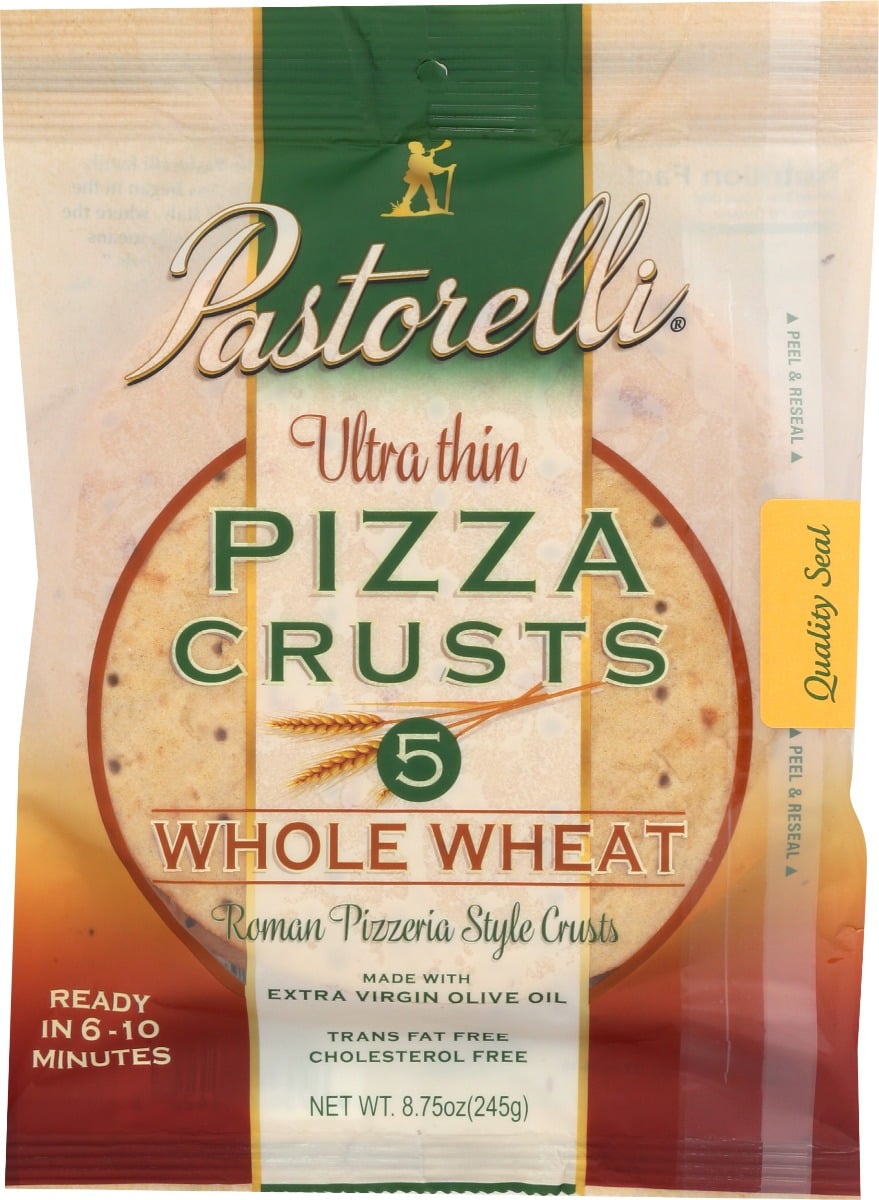



KHRM00606461 8.75 oz Ultra Thin Whole Wheat Pizza Crusts
Analysis updated August 2026 · How Scout scores
At a glance
Summary
This product is made with whole wheat flour, which provides dietary fiber and essential nutrients, making it a healthier option compared to refined flour products. However, it contains dextrose, a refined sugar that can contribute to increased blood sugar levels. The ingredient list is relatively clean with minimal additives, but the presence of dextrose and its processed nature limit its overall health score.
Key ingredients 10
Whole wheat flourGood
Whole wheat flour is a good source of dietary fiber and essential nutrients. It is less processed than refined flour, retaining more vitamins and minerals. This ingredient supports digestive health and provides sustained energy.
Risks
May cause allergic reactions in individuals with wheat or gluten sensitivities.
Benefits
Rich in fiber, which aids in digestion and helps maintain stable blood sugar levels.
HoneyGood
Traditional whole-food sweetener with trace enzymes and antioxidants.
Risks
May contribute to blood sugar spikes if consumed in large amounts.
Benefits
Contains antioxidants and trace nutrients that may offer health benefits compared to refined sugars.
WaterNeutral
Water is a neutral ingredient used as a solvent and to provide moisture. It does not contribute any calories or nutrients. It is essential for the dough formation process.
See more about Water →Cultured wheat flourNeutral
Standard formulation ingredient — neither beneficial nor harmful at typical use.
Risks
May cause allergic reactions in individuals with wheat or gluten sensitivities.
Benefits
Provides natural preservation and may enhance the nutritional profile of the product.
Baking powderNeutral
Baking powder is a leavening agent that helps dough rise. It is composed of baking soda and an acid, typically cream of tartar. It is used in small quantities and does not significantly impact health.
Risks
Excessive consumption may lead to digestive discomfort.
Inactive dry yeastNeutral
Inactive dry yeast is used for flavor enhancement rather than leavening. It is deactivated and does not contribute to dough rising. It is generally considered safe and neutral in terms of health impact.
Benefits
May add a mild flavor to the product without affecting its nutritional profile.
Fumaric acidNeutral
Fumaric acid is a food additive used to regulate acidity and improve shelf life. It is naturally occurring and generally recognized as safe. It does not provide nutritional benefits but helps maintain product stability.
Benefits
Helps maintain product quality and shelf life without significant nutritional impact.
Malted barley flourNeutral
Malted barley flour is used to enhance flavor and improve dough fermentation. It contains enzymes that aid in the breakdown of starches. It is generally considered a neutral ingredient in terms of health impact.
Risks
May cause allergic reactions in individuals sensitive to barley.
Benefits
Enhances flavor and fermentation process in baked goods.
DextroseBad
Dextrose is a simple sugar derived from corn and used as a sweetener. It can contribute to increased blood sugar levels and is considered a refined carbohydrate. Frequent consumption of refined sugars may lead to health issues such as obesity and diabetes.
Risks
May contribute to blood sugar spikes and increased risk of metabolic disorders.
Benefits
Provides quick energy but lacks nutritional value.
Wheat flourBad
Refined grain flour stripped of bran and germ.
Risks
May cause allergic reactions in individuals with wheat or gluten sensitivities.
Benefits
Provides structure and texture to baked goods but lacks significant nutritional benefits.
Processing
Processed Foods
Get the full breakdown in the Scout appTake Scout shopping
Scan any product to see lab results, healthy alternatives, and your personalized analysis.
Download on theApp Store GET IT ONGoogle Play