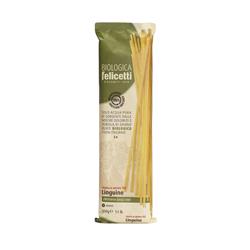
Oven Ready Lasagna
Near you
Aldi is carried at Aldi stores. Find one within 25 miles.

At a glance
Summary
This product is made primarily from durum wheat semolina, which is a high-quality ingredient commonly used in pasta. The minimal processing involved and the absence of harmful additives or seed oils contribute to its high score. The inclusion of essential vitamins and minerals like niacin and iron further enhances its nutritional profile. Its plastic packaging can shed microplastics into the food and lowers its score.
Key ingredients 7
Durum wheat semolinaNeutral
Durum wheat semolina is a refined flour used in pasta making. It provides carbohydrates and some protein but lacks the fiber and nutrients of whole grains. It is a staple ingredient in pasta products, offering a firm texture when cooked.
Risks
May contribute to blood sugar spikes due to its refined nature. Contains gluten, which can be problematic for those with celiac disease or gluten sensitivity.
Benefits
Provides a source of energy and protein. Its high gluten content gives pasta its desirable texture.
NiacinNeutral
Niacin, also known as vitamin B3, is added to enriched flours to replace nutrients lost during processing. It plays a role in energy metabolism and maintaining healthy skin. As a common fortification, it helps prevent deficiencies in populations consuming refined grains.
Benefits
Supports energy production and skin health. Helps prevent niacin deficiency.
Iron (ferrous sulfate)Neutral
Iron is an essential mineral added to enriched flours to prevent anemia. Ferrous sulfate is a common form used in fortification. It is crucial for oxygen transport in the blood.
Risks
Excessive iron intake can lead to toxicity, especially in individuals with hemochromatosis.
Benefits
Prevents iron deficiency anemia and supports oxygen transport in the body.
Thiamin mononitrateNeutral
Thiamin mononitrate is a form of vitamin B1 used to fortify refined grains. It is essential for carbohydrate metabolism and nerve function. Fortification helps prevent thiamin deficiency in diets reliant on refined grains.
Benefits
Supports energy metabolism and nerve function. Helps prevent thiamin deficiency.
RiboflavinNeutral
Riboflavin, or vitamin B2, is added to enriched flours to replace nutrients lost during processing. It is important for energy production and cellular function. Fortification ensures adequate intake in diets high in refined grains.
Benefits
Supports energy production and cellular function. Helps prevent riboflavin deficiency.
Folic acidNeutral
Folic acid is a synthetic form of vitamin B9 used in fortification to prevent neural tube defects. It is crucial for DNA synthesis and cell division. Fortification is particularly important for women of childbearing age.
Risks
Excessive intake can mask vitamin B12 deficiency symptoms.
Benefits
Prevents neural tube defects and supports DNA synthesis and cell division.
WheatNeutral
Wheat is the primary grain used in pasta products, providing carbohydrates and some protein. It is a staple food in many diets worldwide. The gluten content in wheat gives pasta its structure and texture.
Risks
Contains gluten, which can be problematic for those with celiac disease or gluten sensitivity.
Benefits
Provides a source of energy and protein. Its gluten content contributes to the desirable texture of pasta.
Processing
Unprocessed or Minimally Processed Foods
Get the full breakdown in the Scout appTake Scout shopping
Scan any product to see lab results, healthy alternatives, and your personalized analysis.
Are you Aldi? Fix an error Get the badge Get tested