

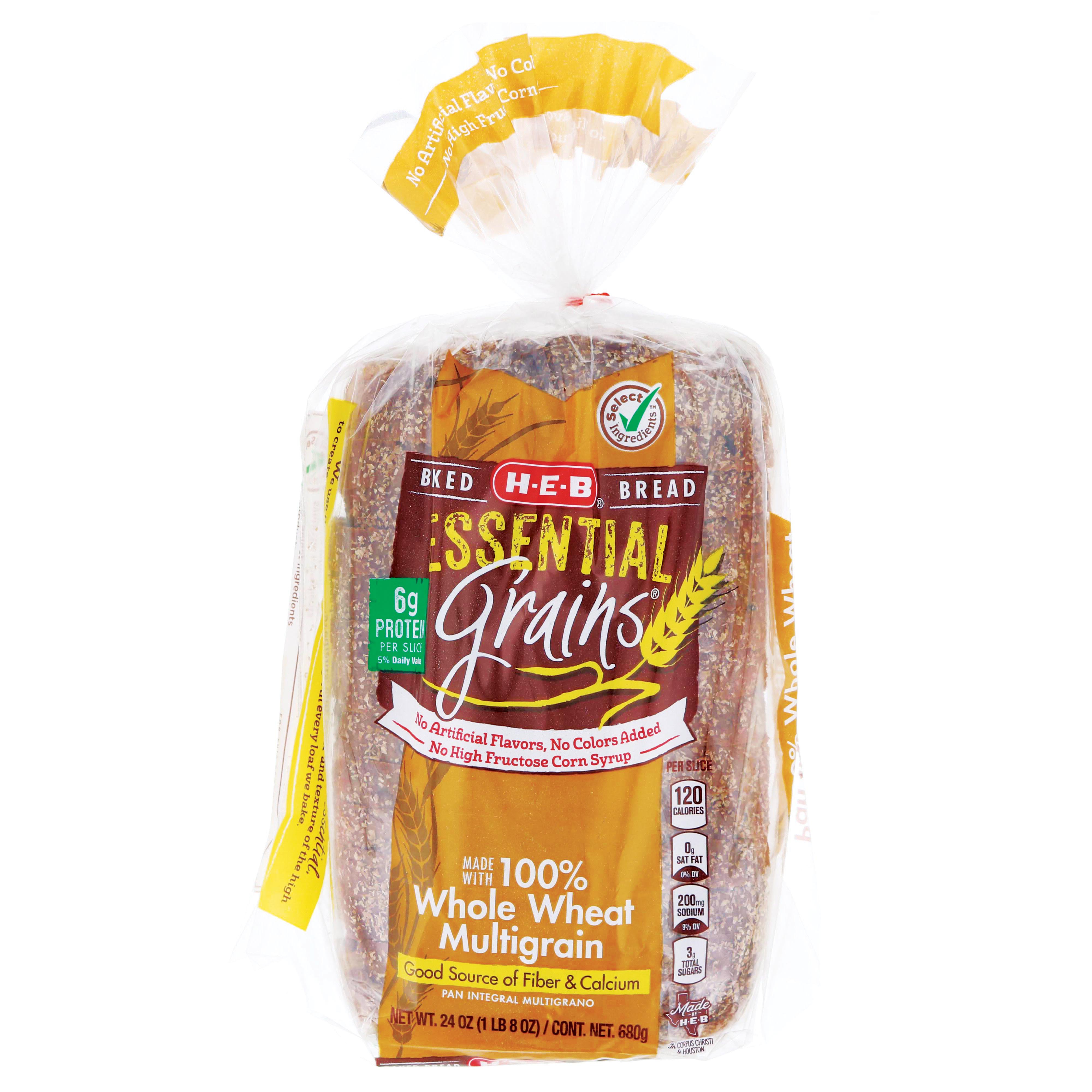


Simply Nature Knock Your Sprouts Off Reduced Sodium Multigrain Bread
Simply NatureAnalysis updated August 2026 · How Scout scores
At a glance
Summary
This bread features a variety of sprouted grains, which enhance nutrient availability and digestibility, making it a healthier choice compared to non-sprouted grain products. The use of natural sweeteners like honey and the absence of harmful additives contribute positively to its nutritional profile. However, as a processed food, it is subject to a processing score cap, which limits its maximum potential score despite its clean ingredient list.
Key ingredients 13
Sprouted Whole WheatGood
This ingredient is minimally processed and rich in nutrients, making it a wholesome choice for bread.
Sprouted Whole Wheat FlourGood
Sprouted wheat flour is easier to digest and retains more nutrients compared to regular flour.
Cracked WheatGood
Cracked wheat adds fiber and texture, supporting digestive health.
HoneyGood
Traditional whole-food sweetener with trace enzymes and antioxidants.
See more about Honey →Sprouted OatsGood
Part of Sprouted Grain Blend. This blend introduces a variety of sprouted grains, increasing nutrient diversity and fiber.
Sprouted RyeGood
Part of Sprouted Grain Blend. This blend introduces a variety of sprouted grains, increasing nutrient diversity and fiber.
Sprouted BarleyGood
Part of Sprouted Grain Blend. This blend introduces a variety of sprouted grains, increasing nutrient diversity and fiber.
Sprouted QuinoaGood
Part of Sprouted Grain Blend. This blend introduces a variety of sprouted grains, increasing nutrient diversity and fiber.
Sprouted AmaranthGood
Part of Sprouted Grain Blend. This blend introduces a variety of sprouted grains, increasing nutrient diversity and fiber.
Sprouted MilletGood
Part of Sprouted Grain Blend. This blend introduces a variety of sprouted grains, increasing nutrient diversity and fiber.
WaterNeutral
Water is essential for dough formation and has no nutritional concerns.
See more about Water →Vital Wheat GlutenNeutral
Vital wheat gluten enhances dough elasticity and protein content without negative health effects.
See more about Vital Wheat Gluten →YeastNeutral
Baker's/nutritional yeast in standard use — benign.
See more about Yeast →Processing
Processed Foods
Get the full breakdown in the Scout appTake Scout shopping
Scan any product to see lab results, healthy alternatives, and your personalized analysis.
Download on theApp Store GET IT ONGoogle Play