


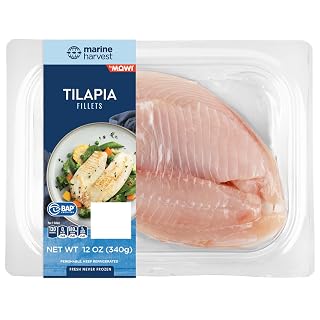
Parmesan encrusted tilapia
Analysis updated September 2026 · How Scout scores
At a glance
Summary
This product contains beneficial ingredients like tilapia and Parmesan cheese, which provide protein and essential nutrients. However, the presence of canola oil, a seed oil high in omega-6 fatty acids, and added sugar contribute to its processing level and reduce its overall healthiness. The inclusion of natural flavors and leavening agents further indicates a moderate level of processing, impacting the score negatively.
Key ingredients 16
TilapiaGood
Tilapia is a lean source of protein that is low in calories and fat. It provides essential nutrients such as vitamin B12, phosphorus, and selenium. Compared to other fish, it has a milder flavor and is versatile in cooking.
Risks
Some concerns exist about farming practices and potential contaminants in farmed tilapia.
Benefits
Provides a good source of protein and essential nutrients with low calorie content.
Parmesan and romano cheeseGood
Parmesan and romano cheese add flavor and richness to dishes. They are good sources of calcium and protein. These cheeses are aged, which enhances their flavor profile and digestibility.
Risks
High in sodium and saturated fat, which may be a concern for some individuals.
Benefits
Rich in calcium and protein, contributing to bone health and muscle maintenance.
SpicesGood
Spices add flavor and can provide antioxidant properties. They enhance the taste of food without adding calories. Different spices offer various health benefits, such as anti-inflammatory effects.
Benefits
Enhance flavor and may provide antioxidant and anti-inflammatory benefits.
Garlic powderGood
Garlic powder adds flavor and has potential health benefits, including antimicrobial and cardiovascular effects. It is a concentrated form of garlic, retaining many of its beneficial compounds. It is a convenient way to incorporate garlic into dishes.
Benefits
May offer antimicrobial and cardiovascular benefits, enhancing flavor and health.
Onion powderGood
Onion powder provides flavor and contains antioxidants that may support health. It is a dehydrated form of onion, making it easy to use in cooking. It retains many of the beneficial compounds found in fresh onions.
Benefits
Contains antioxidants and enhances flavor, contributing to overall health.
ParsleyGood
Parsley is a herb rich in vitamins A, C, and K, and provides antioxidants. It is used to enhance flavor and garnish dishes. Its nutrient density makes it a beneficial addition to meals.
Benefits
Rich in vitamins and antioxidants, supporting overall health and flavor enhancement.
CreamGood
Traditional whole-fat dairy ingredient.
Risks
High in saturated fat, which may contribute to cardiovascular issues if consumed in excess.
Benefits
Provides richness and flavor, along with fat-soluble vitamins.
Yellow corn flourNeutral
Yellow corn flour is used as a coating and thickening agent. It is gluten-free and provides carbohydrates and some fiber. It is less nutrient-dense compared to whole grain flours.
Benefits
Offers a gluten-free alternative to wheat flour and provides carbohydrates.
Corn starchNeutral
Corn starch is a refined carbohydrate used as a thickening agent. It is highly processed and provides little nutritional value beyond calories. It is commonly used in small amounts in cooking.
Benefits
Useful as a thickening agent in cooking, providing texture to foods.
SaltNeutral
Salt is used to enhance flavor and preserve food. It is essential for maintaining fluid balance and nerve function. Excessive intake can lead to health issues such as hypertension.
Risks
Excessive consumption can lead to high blood pressure and other cardiovascular issues.
Benefits
Essential for maintaining fluid balance and nerve function.
YeastNeutral
Yeast is used as a leavening agent in baking, contributing to the texture of baked goods. It is a source of B vitamins and protein. It is generally considered safe and beneficial in moderation.
Benefits
Provides B vitamins and protein, aiding in the leavening process.
LeaveningNeutral
Leavening agents like sodium acid pyrophosphate and sodium bicarbonate are used to help dough rise. They are chemically processed but generally recognized as safe in food applications. They contribute to the texture and volume of baked goods.
Benefits
Essential for achieving desired texture and volume in baked goods.
Wheat flourBad
Refined grain flour stripped of bran and germ.
Risks
May cause issues for individuals with gluten intolerance or celiac disease.
Benefits
Provides carbohydrates and some protein, contributing to energy intake.
SugarBad
Sugar is a refined carbohydrate that provides quick energy but lacks nutritional value. Excessive consumption is linked to obesity, diabetes, and other metabolic disorders. It is often added to enhance flavor but should be consumed in moderation.
Risks
Linked to obesity, diabetes, and other metabolic disorders when consumed in excess.
Benefits
Provides quick energy but lacks significant nutritional benefits.
Natural flavorBad
Natural flavors are added to enhance taste but are often highly processed. They can contain a variety of chemical compounds, making them less transparent. While derived from natural sources, their processing can diminish nutritional value.
Risks
May contain a variety of chemical compounds, leading to potential sensitivities or allergies.
Benefits
Enhances flavor without adding calories, but lacks nutritional benefits.
Canola oilVery Bad
Canola oil is a seed oil high in omega-6 fatty acids, which can promote inflammation. It is heavily processed and often refined, which can reduce its nutritional quality. It is commonly used due to its neutral flavor and high smoke point.
Risks
High omega-6 content may promote inflammation when consumed in excess.
Processing
Processed Foods
Get the full breakdown in the Scout appTake Scout shopping
Scan any product to see lab results, healthy alternatives, and your personalized analysis.
Download on theApp Store GET IT ONGoogle Play