


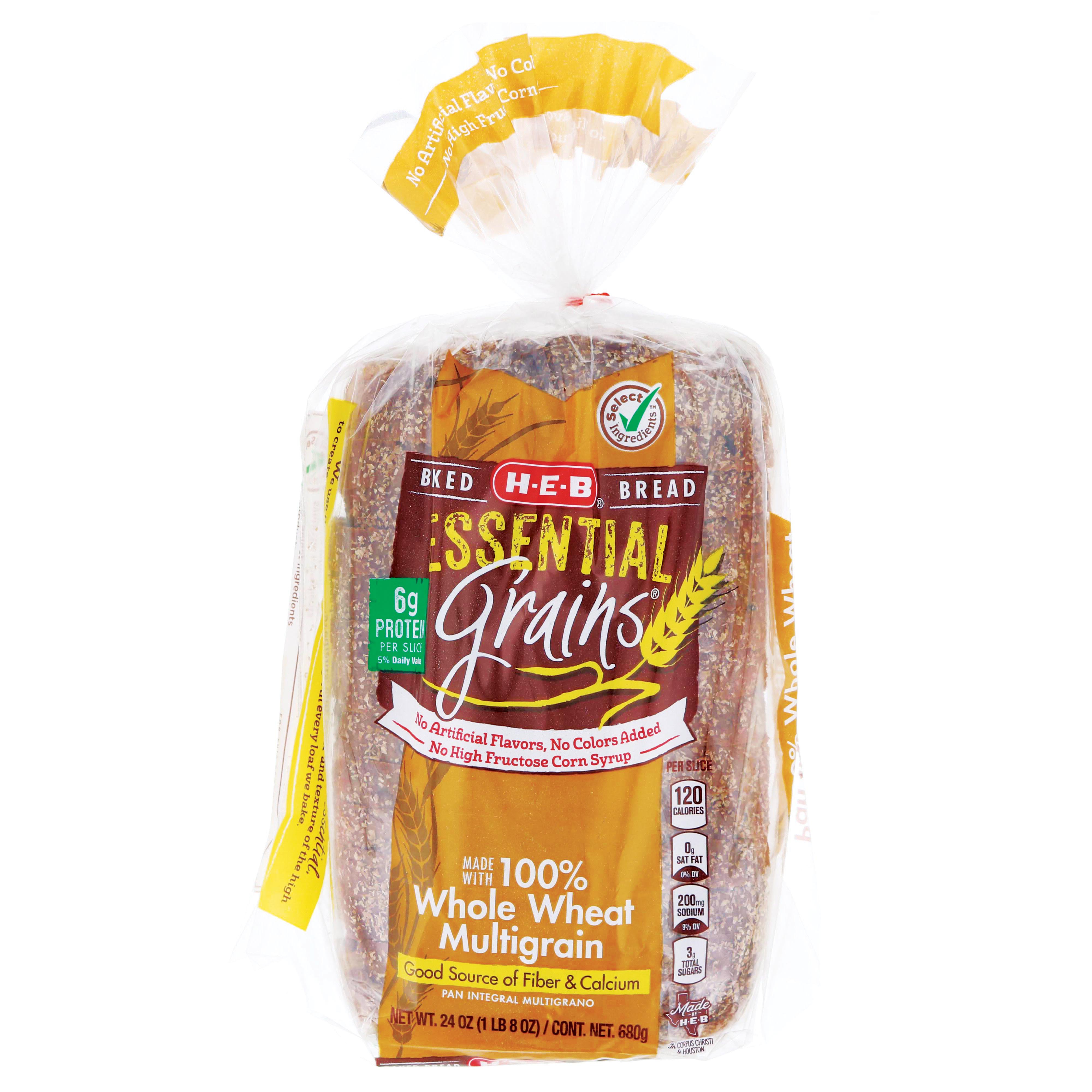

At a glance
Summary
This 12 Grain Bread contains beneficial whole grains and seeds like whole wheat flour, sunflower seeds, and flaxseed, which provide fiber and essential nutrients. However, it is heavily processed, containing refined enriched flour, soybean oil, and several additives such as calcium propionate and sodium stearoyl lactylate. These factors, along with its ultra-processed nature, limit its overall healthiness despite the presence of some nutritious ingredients.
Key ingredients 10
Whole Wheat FlourVery Good
Whole wheat flour is a whole grain that retains all parts of the grain, providing more nutrients and fiber. It is less processed compared to refined flour, maintaining its natural vitamins and minerals. This ingredient supports digestive health and provides sustained energy.
Benefits
Rich in dietary fiber, vitamins, and minerals, supporting heart health and digestion.
FlaxseedVery Good
Flaxseed is a nutrient-dense seed rich in omega-3 fatty acids, fiber, and lignans. It is minimally processed and adds significant nutritional value to the bread. Flaxseed supports heart health and has anti-inflammatory properties.
Risks
May cause digestive discomfort if consumed in large quantities.
Benefits
Rich in omega-3 fatty acids and fiber, promoting heart health and reducing inflammation.
Sunflower SeedsGood
Sunflower seeds are a good source of healthy fats, protein, and essential nutrients like vitamin E. They are minimally processed and add nutritional value to the bread. These seeds can support heart health and provide antioxidant benefits.
Risks
May cause allergic reactions in sensitive individuals.
Benefits
Rich in healthy fats, protein, and antioxidants, supporting heart health and reducing inflammation.
Rolled OatsGood
Rolled oats are a whole grain that provides dietary fiber and essential nutrients. They are minimally processed, retaining their natural nutritional profile. Oats can help lower cholesterol levels and support heart health.
Benefits
High in fiber and beneficial for heart health and cholesterol management.
WaterNeutral
Water is a neutral ingredient used as a solvent and to provide moisture in the bread. It does not contribute any nutritional value but is essential for the dough formation. Water is a basic component in most bread recipes.
See more about Water →YeastNeutral
Yeast is a microorganism used in bread making to ferment sugars and produce carbon dioxide, which helps the dough rise. It is a natural ingredient with no significant health concerns. Yeast contributes to the texture and flavor of the bread.
Benefits
Contributes to the leavening and flavor of the bread.
SaltNeutral
Salt is used in bread to enhance flavor and control yeast activity. It is a common ingredient in baking with no significant nutritional value. Excessive consumption of salt can lead to health issues like hypertension.
Risks
Excessive consumption may lead to hypertension and cardiovascular issues.
Benefits
Enhances flavor and controls yeast activity in bread.
Enriched FlourBad
Enriched flour is refined wheat flour that has been stripped of its natural nutrients and then fortified with synthetic vitamins. It is highly processed and lacks the fiber and nutrients found in whole grains. This ingredient can contribute to blood sugar spikes.
Risks
May contribute to blood sugar spikes and lacks natural nutrients.
Benefits
Provides some vitamins and minerals due to fortification, but lacks the benefits of whole grains.
Calcium PropionateBad
Calcium propionate is a preservative used to prevent mold growth in bread. It is a synthetic additive and may cause digestive issues in sensitive individuals. This ingredient is considered undesirable due to its artificial nature.
Risks
May cause digestive discomfort and allergic reactions in sensitive individuals.
Benefits
Extends shelf life by preventing mold growth.
Soybean OilVery Bad
Soybean oil is a highly processed seed oil high in omega-6 fatty acids, which can promote inflammation. It is extracted using chemical solvents, which may leave residues. This oil is considered unhealthy due to its processing and fatty acid profile.
Risks
High omega-6 content may promote inflammation when consumed in excess.
Processing
Ultra-Processed Foods
Get the full breakdown in the Scout appTake Scout shopping
Scan any product to see lab results, healthy alternatives, and your personalized analysis.
Download on theApp Store GET IT ONGoogle Play