


At a glance
Summary
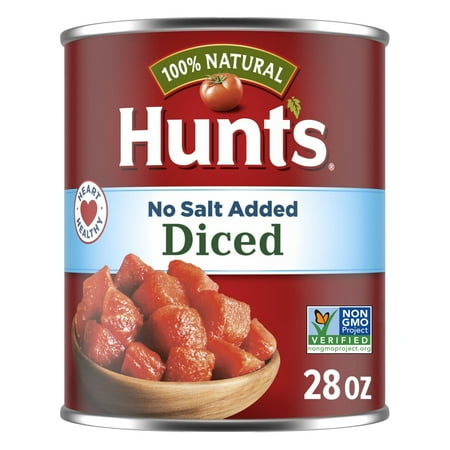
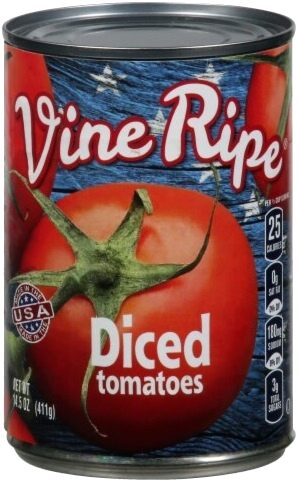
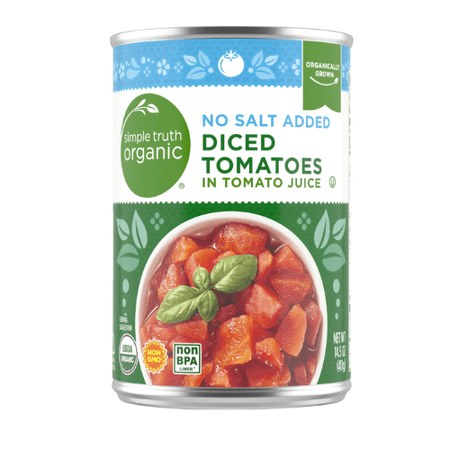
This product consists mainly of tomatoes and tomato juice, with minimal additives such as citric acid and calcium chloride, which are commonly used for preservation and maintaining texture. The ingredient list is short and free from harmful substances like seed oils or artificial additives, making it a relatively healthy choice despite its processed nature. The processing level limits its maximum score, but the clean label and simple ingredients contribute positively to its rating.
Key ingredients 5
TomatoesNeutral
Tomatoes are a natural source of vitamins and antioxidants, particularly lycopene. They are minimally processed in this product, retaining most of their nutritional value. The processing level is low, making them a neutral ingredient in terms of health impact.
Benefits
Rich in vitamins C and K, and antioxidants like lycopene, which may support heart health and reduce inflammation.
Tomato juiceNeutral
Tomato juice is used to preserve the diced tomatoes and adds additional flavor. It is a natural product with minimal processing involved. The juice helps maintain the moisture and nutritional content of the tomatoes.
Benefits
Provides additional vitamins and antioxidants, similar to whole tomatoes, supporting overall health.
SaltNeutral
Salt is used as a preservative and flavor enhancer in canned foods. It is a common ingredient in processed foods, contributing to sodium intake. While necessary for flavor, excessive consumption can lead to health issues.
Risks
High sodium intake can contribute to hypertension and cardiovascular issues if consumed in excess.
Benefits
Enhances flavor and acts as a preservative, extending the shelf life of the product.
Citric acidNeutral
Citric acid is a natural preservative and flavoring agent derived from citrus fruits. It is commonly used in food processing to maintain acidity and freshness. The processing method is simple and does not significantly alter the nutritional profile of the product.
Benefits
Helps preserve the color and flavor of the tomatoes, maintaining product quality.
Calcium chlorideNeutral
Calcium chloride is used to maintain firmness in canned vegetables. It is a common food additive that helps retain texture during processing. The use of calcium chloride is minimal and does not pose significant health concerns.
Benefits
Helps maintain the firmness and texture of the diced tomatoes, improving the overall quality of the product.
Processing
Processed Foods
Get the full breakdown in the Scout appTake Scout shopping
Scan any product to see lab results, healthy alternatives, and your personalized analysis.
Download on theApp Store GET IT ONGoogle Play