

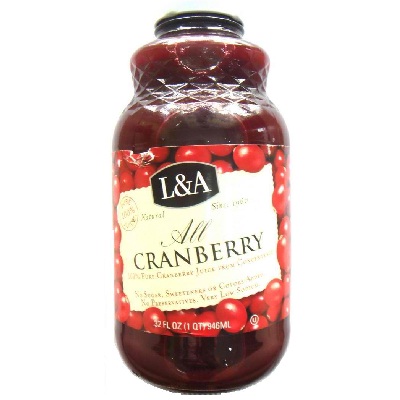
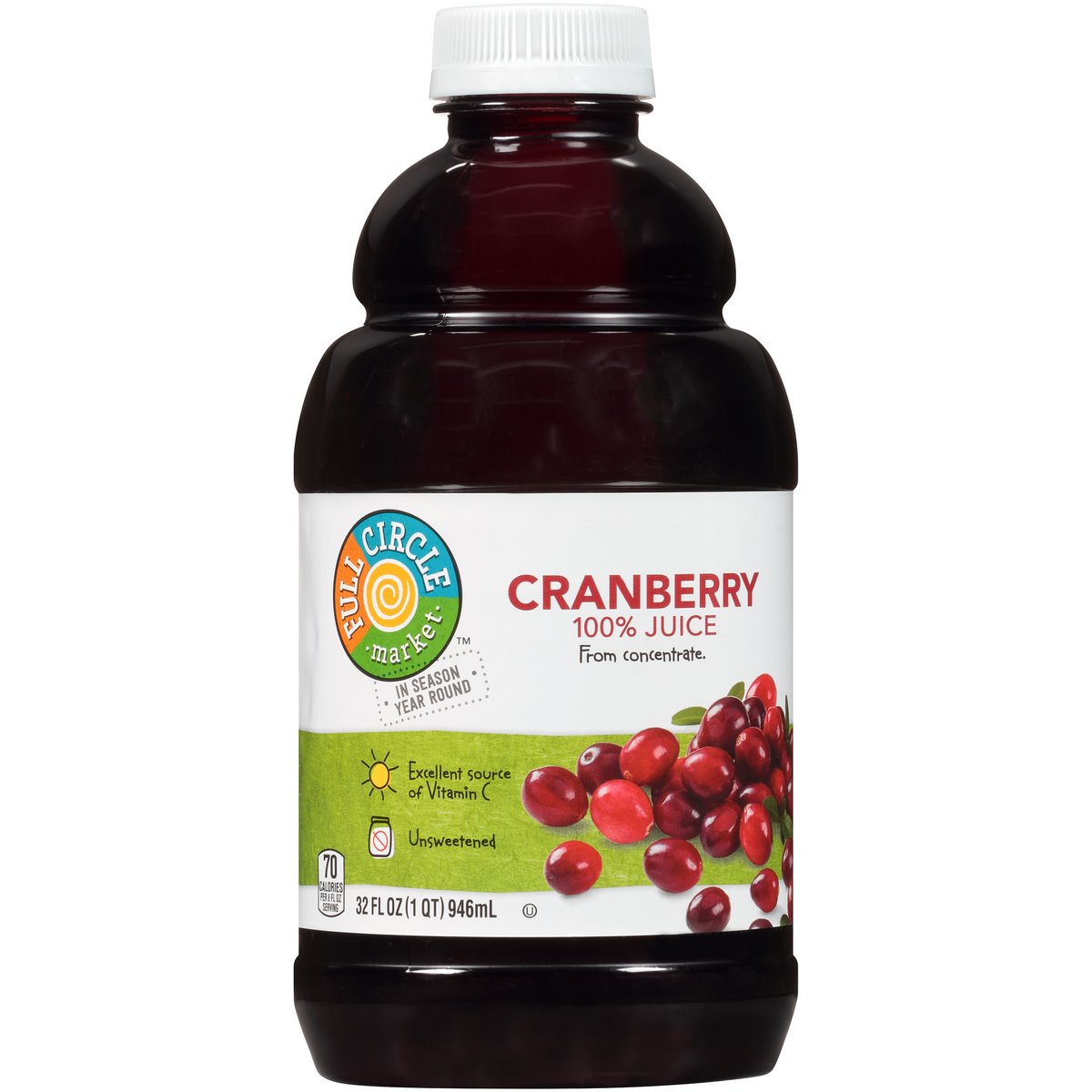

Nature's Nectar 100% Juice Cranberry
Analysis updated June 2026 · How Scout scores
At a glance
Summary
This juice is primarily composed of fruit juice concentrates, which are a more processed form of juice, contributing to its ultra-processed classification. While it contains beneficial ingredients like cranberry juice and ascorbic acid, the presence of 'natural flavors' raises concerns due to their lack of transparency and potential processing. The high sugar content from natural fruit sources also impacts the score, despite the absence of added sugars.
Key ingredients 8
Cranberry JUICE ConcentrateGood
Part of CRANBERRY JUICE. Cranberry juice is rich in antioxidants and adds a natural, tart flavor to the beverage, making it a beneficial ingredient.
APPLE JUICE ConcentrateGood
Part of APPLE JUICE. Apple juice provides natural sweetness and contains vitamins, contributing to the overall nutritional profile.
See more about APPLE JUICE Concentrate →GRAPE JUICE ConcentrateGood
Part of GRAPE JUICE. Grape juice offers antioxidants and natural sugars, enhancing flavor and nutritional value.
See more about GRAPE JUICE Concentrate →PEAR JUICE ConcentrateGood
Part of PEAR JUICE. Pear juice adds a mild sweetness and provides vitamins, making it a wholesome ingredient.
ASCORBIC ACID (VITAMIN C)Good
Vitamin C is an essential nutrient that helps preserve the juice and supports immune health.
See more about ASCORBIC ACID (VITAMIN C) →Filtered WATERNeutral
Part of CRANBERRY JUICE. Cranberry juice is rich in antioxidants and adds a natural, tart flavor to the beverage, making it a beneficial ingredient.
See more about Filtered WATER →FRUIT AND VEGETABLE JUICE (FOR COLOR)Neutral
This ingredient is used solely for coloring purposes and does not impact the nutritional value significantly.
See more about FRUIT AND VEGETABLE JUICE (FOR COLOR) →NATURAL FLAVORSBad
Umbrella term that can hide dozens of undisclosed synthetic constituents.
See more about NATURAL FLAVORS →Processing
Ultra-Processed Foods
Get the full breakdown in the Scout appTake Scout shopping
Scan any product to see lab results, healthy alternatives, and your personalized analysis.
Download on theApp Store GET IT ONGoogle Play