

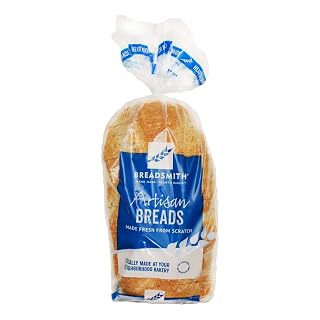


Take & Bake French Baguette
Analysis updated September 2026 · How Scout scores
At a glance
Summary
The Take & Bake French Baguette is ultra-processed, which limits its potential health score. It contains enriched flour, which is refined and lacks the nutrients found in whole grains, and a few additives, though not in excessive amounts. The presence of extra virgin olive oil is a positive aspect, providing some beneficial fats, but the overall processing level and use of refined ingredients result in a moderate score.
Key ingredients 9
Extra virgin olive oilVery Good
High-quality monounsaturated fat with anti-inflammatory properties. Contains antioxidants that support heart health. Cold-pressed extraction preserves beneficial compounds.
Benefits
Rich in monounsaturated fats that support heart health and provide anti-inflammatory properties. Contains antioxidants like vitamin E and polyphenols that may reduce oxidative stress.
WaterNeutral
Water is a neutral ingredient used as a solvent and to provide moisture. It is essential for the dough formation and baking process. It does not contribute any nutritional value or health risks.
See more about Water →Dough conditionerNeutral
Dough conditioners improve the texture and shelf life of baked goods. They often include enzymes and ascorbic acid to enhance dough strength. While they are functional, they do not provide nutritional benefits.
Benefits
Improves the texture and consistency of the bread.
MaltNeutral
Malt is used to enhance flavor and color in baked goods. It is derived from grains like barley and provides a mild sweetness. It does not significantly impact the nutritional profile of the product.
Risks
May contain gluten, which is a concern for individuals with celiac disease or gluten sensitivity.
Benefits
Adds flavor and color to the bread, enhancing its sensory appeal.
PreservativesNeutral
Preservatives like cultured wheat starch and citric acid extend shelf life by preventing spoilage. They are commonly used in baked goods to maintain freshness. While functional, they do not provide nutritional benefits.
Benefits
Helps maintain product freshness and extends shelf life.
SaltNeutral
Salt is used to enhance flavor and control yeast activity in baking. It is a common ingredient in bread but does not provide additional nutritional benefits. Excessive consumption can contribute to high blood pressure.
Risks
High sodium intake may lead to increased blood pressure and cardiovascular issues.
Benefits
Enhances flavor and plays a role in dough structure and yeast regulation.
VinegarNeutral
Vinegar is used as a natural preservative and flavor enhancer. It can help improve the texture and shelf life of baked goods. It is generally considered safe and does not provide significant nutritional benefits.
Benefits
Acts as a natural preservative and enhances flavor.
YeastNeutral
Yeast is a leavening agent that helps bread rise by producing carbon dioxide. It is a natural ingredient essential for bread making. It does not provide significant nutritional benefits.
Benefits
Essential for leavening and contributes to the bread's texture and flavor.
Enriched flourBad
Enriched flour is refined and lacks the fiber and nutrients found in whole grains. It is often fortified with synthetic vitamins to replace lost nutrients. The refining process strips away beneficial components, making it less nutritious than whole grain alternatives.
Risks
May contribute to blood sugar spikes and lacks the fiber necessary for digestive health.
Benefits
Provides a source of carbohydrates and some essential vitamins due to fortification.
Processing
Ultra-Processed Foods
Get the full breakdown in the Scout appTake Scout shopping
Scan any product to see lab results, healthy alternatives, and your personalized analysis.
Download on theApp Store GET IT ONGoogle Play