


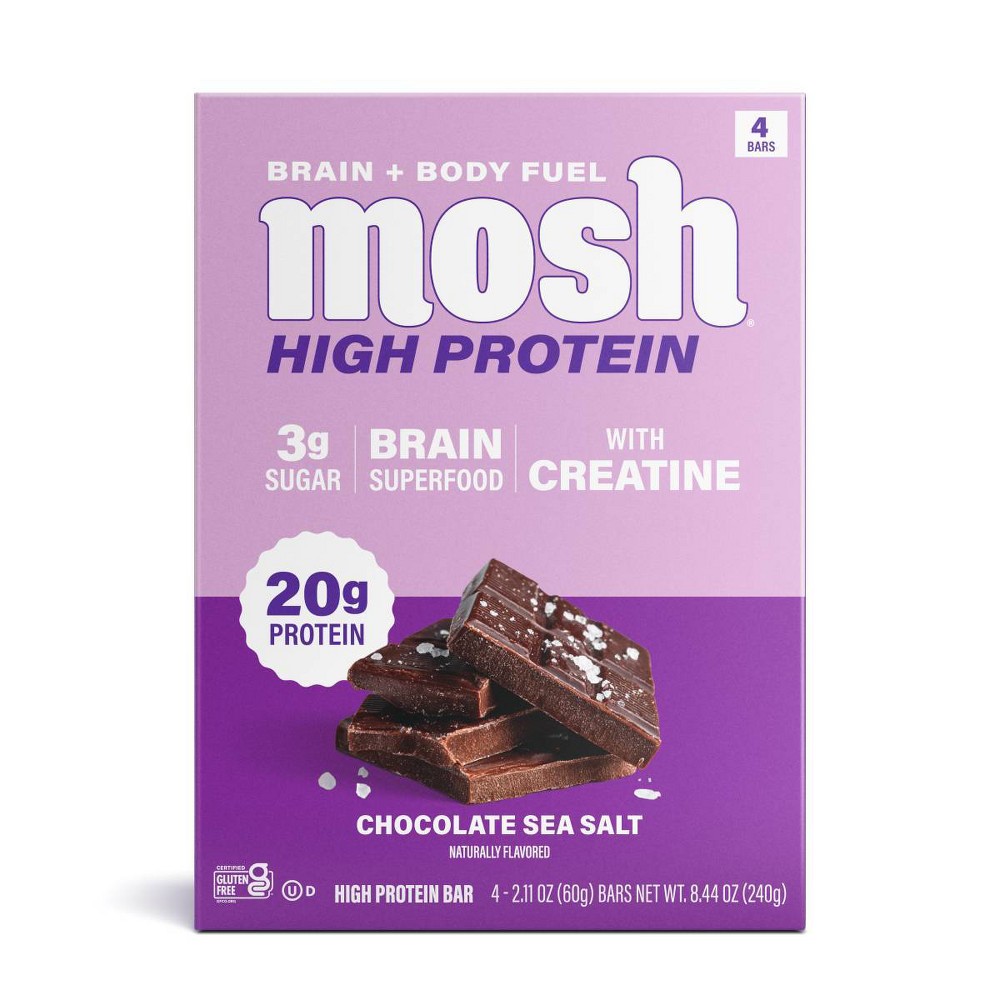

At a glance
Summary
This product contains beneficial plant-based proteins like fava bean and pea protein, which are minimally processed and provide essential amino acids. However, the inclusion of rapeseed oil, a seed oil high in omega-6 fatty acids, and natural flavors, which lack transparency, detracts from its overall quality. While it is fortified with vitamins and minerals, the presence of these processed ingredients impacts its formulation quality.
Key ingredients 13
Fava Bean ProteinGood
Fava bean protein is a plant-based protein source that provides essential amino acids. It is less processed compared to soy protein and offers a good alternative for those avoiding animal proteins. It is also rich in fiber and beneficial for heart health.
Risks
Some individuals may experience digestive discomfort due to its fiber content.
Benefits
Rich in protein and fiber, supporting muscle growth and digestive health.
Chicory FiberGood
Chicory fiber is a prebiotic fiber that supports gut health by promoting the growth of beneficial bacteria. It is derived from the chicory root and is minimally processed. It can aid in digestion and improve bowel regularity.
Risks
Excessive consumption may lead to digestive discomfort such as bloating or gas.
Benefits
Supports digestive health and promotes beneficial gut bacteria.
Citrus FibersGood
Citrus fibers are derived from citrus fruits and provide dietary fiber, which aids in digestion. They are minimally processed and can help improve the texture of food products. They also contribute to satiety and digestive health.
Benefits
Supports digestive health and provides dietary fiber.
Sea SaltGood
Beneficial ingredient — whole-food or functional value in this product class.
Risks
Excessive sodium intake can lead to hypertension and cardiovascular issues.
Benefits
Provides trace minerals and enhances flavor.
Potassium IodateGood
Potassium iodate is used to fortify foods with iodine, essential for thyroid function. It helps prevent iodine deficiency, which can lead to thyroid disorders. It is a stable form of iodine used in food fortification.
Risks
Excessive iodine intake can lead to thyroid dysfunction.
Benefits
Supports thyroid health and prevents iodine deficiency.
Sodium SelenateGood
Sodium selenate is a form of selenium used to fortify foods, supporting antioxidant activity and immune function. It is an essential trace mineral that plays a role in preventing oxidative stress. It is effective in small amounts for maintaining health.
Risks
Excessive intake can lead to selenium toxicity.
Benefits
Supports antioxidant defense and immune health.
Vitamin D3Good
Vitamin D3 is essential for calcium absorption and bone health. It is the most bioavailable form of vitamin D and supports immune function. It is crucial for maintaining healthy bones and preventing deficiencies.
Risks
Excessive intake can lead to hypercalcemia.
Benefits
Enhances calcium absorption and supports bone and immune health.
Vitamin B12Good
Vitamin B12 is essential for nerve function and the production of red blood cells. It is crucial for energy metabolism and preventing anemia. It is especially important for individuals following a plant-based diet.
Benefits
Supports energy metabolism and prevents vitamin B12 deficiency.
WaterNeutral
Water is a neutral ingredient that serves as a base for the product. It is essential for hydration but does not contribute additional nutritional value. It acts as a solvent for other ingredients.
See more about Water →Pea ProteinNeutral
Standard formulation ingredient — neither beneficial nor harmful at typical use.
Benefits
Provides essential amino acids and supports muscle maintenance and growth.
Calcium CarbonateNeutral
Standard formulation ingredient — neither beneficial nor harmful at typical use.
Risks
Excessive intake may lead to hypercalcemia or kidney stones.
Benefits
Supports bone health and helps prevent calcium deficiency.
Natural FlavorsBad
Natural flavors are a catch-all term for flavoring agents derived from natural sources but can be heavily processed. They lack transparency and can include a variety of chemical compounds. Their use is often criticized for masking the true quality of the product.
Risks
Lack of transparency and potential for containing unwanted additives.
Rapeseed OilVery Bad
Rapeseed oil is a seed oil high in omega-6 fatty acids, which can promote inflammation when consumed in excess. It is heavily processed and often refined, which can reduce its nutritional quality. Its high omega-6 content is a concern for balanced omega-3 to omega-6 ratios.
Risks
High omega-6 content may promote inflammation when consumed in excess.
Processing
Ultra-Processed Foods
Get the full breakdown in the Scout appTake Scout shopping
Scan any product to see lab results, healthy alternatives, and your personalized analysis.
Download on theApp Store GET IT ONGoogle Play