
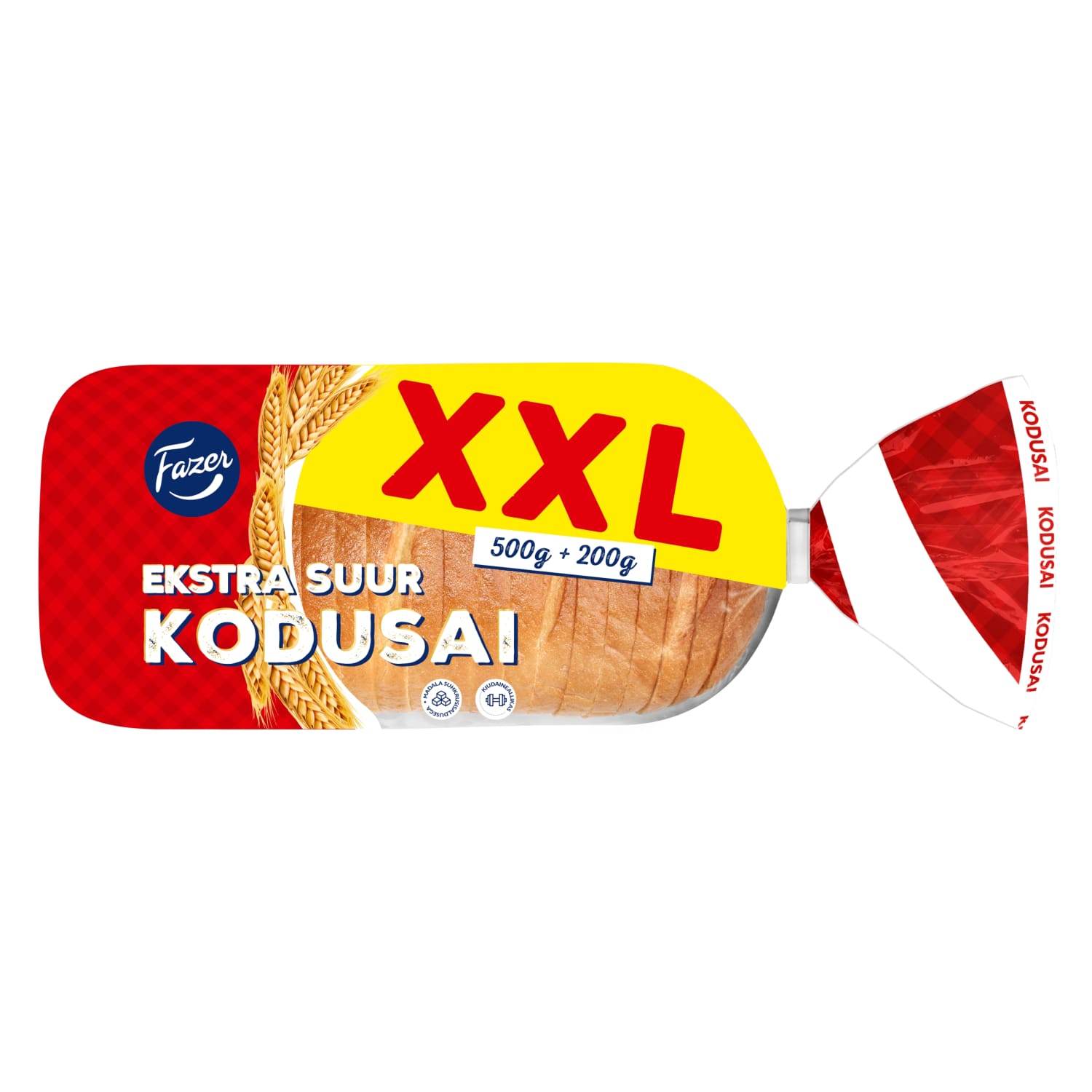


At a glance
Summary
This bread product contains a mix of beneficial and less desirable ingredients. While it includes essential components like water, yeast, and rapeseed oil, which contribute to hydration, leavening, and heart health, it also contains sugar, which is a refined carbohydrate linked to health issues when consumed in excess. The product is moderately processed, which impacts its overall healthiness score, despite having a relatively simple ingredient list.
Key ingredients 6
Drinking waterVery Good
Drinking water is essential for hydration and is a key ingredient in bread making. It is typically purified to remove contaminants, ensuring safety and quality. Water helps activate yeast and develop gluten in dough.
Benefits
Essential for hydration and supports the baking process by activating yeast.
YeastNeutral
Baker's/nutritional yeast in standard use — benign.
Benefits
Contributes to the leavening of bread and can enhance nutritional content with B vitamins.
SaltNeutral
Salt is used in bread to enhance flavor and control yeast activity. It is typically refined and added in small amounts to balance taste. While necessary for flavor, excessive salt intake can lead to health issues such as hypertension.
Risks
Excessive salt consumption can increase the risk of high blood pressure and cardiovascular diseases.
Benefits
Enhances flavor and helps regulate yeast fermentation in bread.
Wheat flourBad
Refined grain flour stripped of bran and germ.
Risks
Refined wheat flour lacks fiber and essential nutrients, and may contribute to blood sugar spikes.
Benefits
Provides carbohydrates for energy and is a versatile ingredient in baking.
SugarBad
Sugar is used to enhance flavor and aid in yeast fermentation. It is a refined carbohydrate that can contribute to increased calorie intake without providing essential nutrients. Excessive consumption of sugar is linked to various health issues such as obesity and diabetes.
Risks
High sugar intake can lead to weight gain, insulin resistance, and dental cavities.
Benefits
Provides a quick source of energy and enhances the flavor of baked goods.
Rapeseed oilVery Bad
Heavily flagged ingredient class under Scout's doctrine.
Benefits
Rich in healthy fats, it supports cardiovascular health and provides a good source of omega-3 fatty acids.
Processing
Processed Foods
Get the full breakdown in the Scout appTake Scout shopping
Scan any product to see lab results, healthy alternatives, and your personalized analysis.
Download on theApp Store GET IT ONGoogle Play