



At a glance
Summary
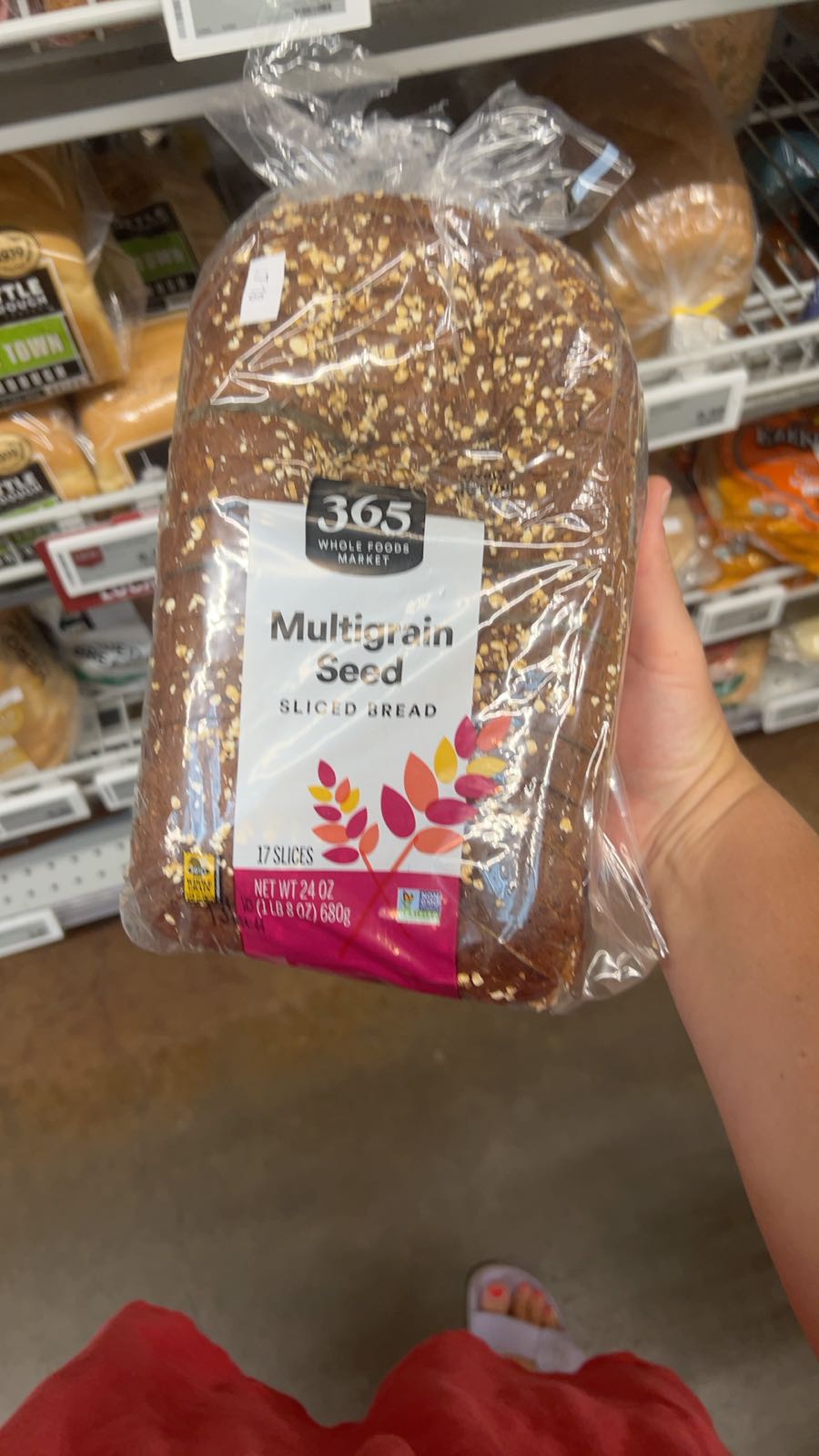
This multi-grain bread features a variety of whole grains and seeds, such as sesame seeds, flaked oats, and flax seeds, which contribute to its nutritional value by providing fiber, healthy fats, and essential minerals. The use of whole grain flours and a sour starter enhances its health profile, offering more nutrients compared to refined flours. However, the product is processed, which limits its score despite the clean ingredient list and beneficial components.
Key ingredients 17
Sesame seedsGood
Sesame seeds are a nutrient-dense whole food, rich in healthy fats, protein, and minerals. They provide a good source of calcium, magnesium, and iron. Their inclusion adds nutritional value and a nutty flavor to the bread.
Risks
Potential allergen for some individuals.
Benefits
Rich in healthy fats and minerals, supporting bone health and providing antioxidant benefits.
Flaked oatsGood
Flaked oats are a whole grain that provides dietary fiber, which aids in digestion and heart health. They are minimally processed, retaining most of their nutrients. Oats are known for their beta-glucan content, which can help lower cholesterol levels.
Benefits
High in fiber and beneficial for heart health due to beta-glucan content.
MilletGood
Millet is a gluten-free whole grain that is rich in fiber, vitamins, and minerals. It is a good source of magnesium and phosphorus, supporting bone health. Its inclusion in bread adds nutritional diversity and a mild flavor.
Benefits
Provides essential nutrients and is beneficial for those seeking gluten-free options.
Flax seedsGood
Flax seeds are high in omega-3 fatty acids, fiber, and lignans, which have antioxidant properties. They support heart health and may help reduce inflammation. Ground flax seeds are more bioavailable, enhancing nutrient absorption.
Risks
May cause digestive issues if consumed in large amounts without adequate hydration.
Benefits
Rich in omega-3 fatty acids and fiber, promoting heart health and reducing inflammation.
Sunflower seedsGood
Sunflower seeds are a good source of healthy fats, protein, and vitamin E. They provide antioxidant benefits and support skin health. Their inclusion adds texture and nutritional value to the bread.
Risks
Potential allergen for some individuals.
Benefits
Rich in vitamin E and healthy fats, supporting skin health and providing antioxidant benefits.
Whole grain rye flourGood
Whole grain rye flour is a nutritious alternative to refined flours, offering more fiber and nutrients. It supports digestive health and provides a distinct flavor to bread. Rye flour is known for its lower glycemic index compared to wheat flour.
Risks
Contains gluten, which may be a concern for those with celiac disease or gluten sensitivity.
Benefits
High in fiber and beneficial for digestive health, with a lower glycemic index.
Organic honeyGood
Beneficial ingredient — whole-food or functional value in this product class.
Risks
High sugar content can contribute to blood sugar spikes if consumed in excess.
Benefits
Provides natural sweetness and trace nutrients, with some antioxidant properties.
Stone ground whole grain whole wheat flourGood
Stone ground whole grain whole wheat flour retains more nutrients and fiber compared to refined flours. It supports digestive health and provides a rich source of vitamins and minerals. The stone grinding process preserves the integrity of the grain.
Risks
Contains gluten, which may be a concern for those with celiac disease or gluten sensitivity.
Benefits
High in fiber and nutrients, supporting digestive health and providing sustained energy.
Sour starterGood
Sour starter is a natural leavening agent that enhances flavor and texture in bread. It contains beneficial bacteria and yeast that can improve gut health. The fermentation process also increases the bioavailability of nutrients.
Benefits
Improves gut health and nutrient absorption through natural fermentation.
Unbleached wheat flourNeutral
Unbleached wheat flour is a common base for bread products, providing structure and texture. It is less processed than bleached flour, retaining more nutrients. However, it is still a refined grain and lacks the fiber and nutrients found in whole grains.
Risks
May contribute to blood sugar spikes due to its refined nature.
Benefits
Provides essential carbohydrates for energy.
WaterNeutral
Water is a fundamental ingredient in bread, necessary for hydration and dough formation. It acts as a solvent for other ingredients and helps in gluten development. It has no nutritional value but is essential for the baking process.
Benefits
Essential for hydration and dough consistency.
SaltNeutral
Salt is used to enhance flavor and control yeast activity in bread. It is a necessary component for proper dough development. While essential in small amounts, excessive consumption can lead to health issues.
Risks
Excessive intake may contribute to high blood pressure.
Benefits
Enhances flavor and is essential for proper dough development.
Cultured wheat starchNeutral
Cultured wheat starch is used as a natural preservative to extend shelf life. It is derived from wheat and undergoes fermentation to produce beneficial acids. It is considered a cleaner alternative to synthetic preservatives.
Risks
Contains gluten, which may be a concern for those with celiac disease or gluten sensitivity.
Benefits
Acts as a natural preservative, extending shelf life without synthetic additives.
Ground wheatNeutral
Ground wheat is a basic component of flour, providing structure and texture to bread. It is a source of carbohydrates and some protein. While it is a staple ingredient, it lacks the fiber and nutrients of whole grains.
Risks
May contribute to blood sugar spikes due to its refined nature.
Benefits
Provides essential carbohydrates for energy.
YeastNeutral
Yeast is a leavening agent that helps bread rise by producing carbon dioxide. It is essential for creating the light and airy texture of bread. Yeast also contributes to the development of flavor during fermentation.
Benefits
Essential for leavening and flavor development in bread.
Malted barley flourNeutral
Malted barley flour is used to enhance flavor and improve the texture of bread. It contains enzymes that help break down starches into sugars, aiding fermentation. It is a natural ingredient that contributes to the browning of the crust.
Risks
Contains gluten, which may be a concern for those with celiac disease or gluten sensitivity.
Benefits
Enhances flavor and texture, aiding in fermentation and crust browning.
AmylaseNeutral
Amylase is an enzyme that helps break down starches into sugars, improving fermentation and texture. It is naturally present in grains and is often added to enhance dough performance. It is considered safe and beneficial for bread making.
Benefits
Improves fermentation and texture by breaking down starches into sugars.
Processing
Processed Foods
Get the full breakdown in the Scout appTake Scout shopping
Scan any product to see lab results, healthy alternatives, and your personalized analysis.
Download on theApp Store GET IT ONGoogle Play