

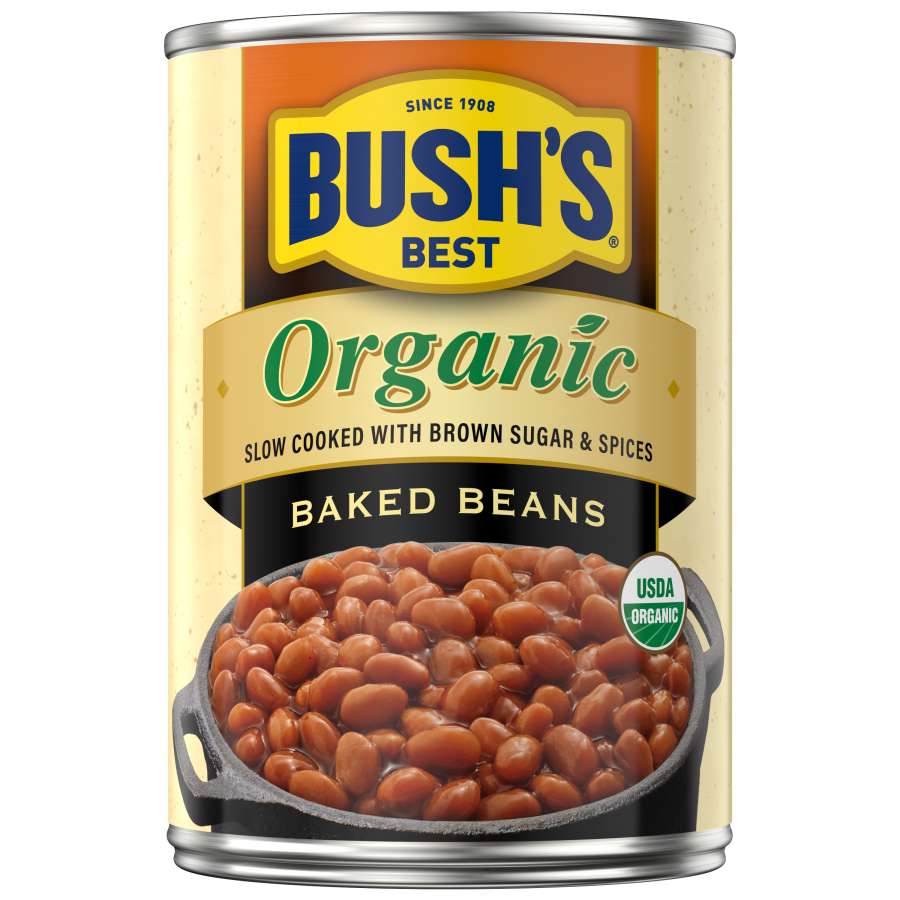


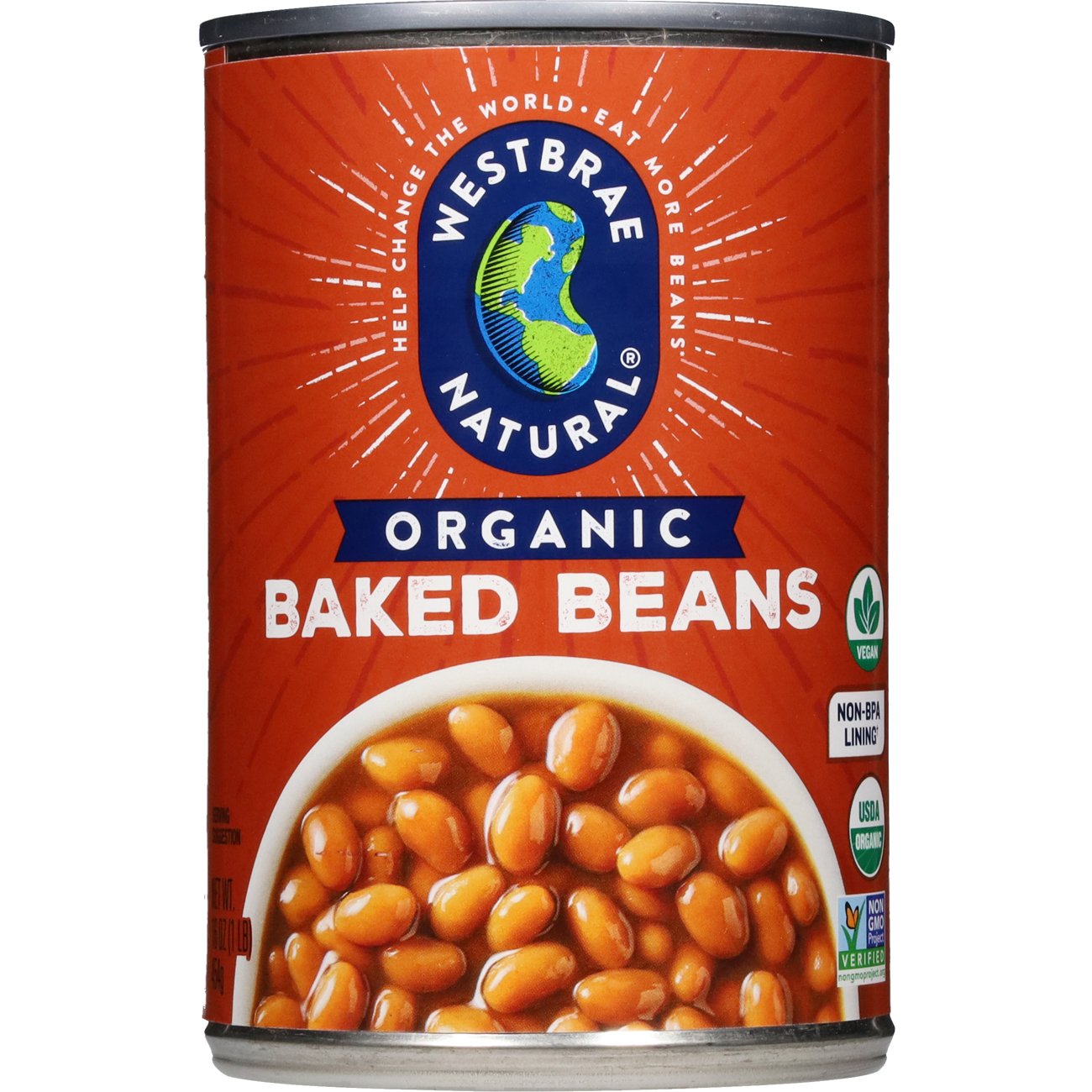
At a glance
Summary
This product contains beneficial ingredients like beans and tomatoes, which provide fiber, protein, and essential nutrients. However, the presence of added sugar and the overall high level of processing reduce its healthiness. The product's ultra-processed nature limits its score, despite the inclusion of some nutritious components.
Key ingredients 12
BeansGood
Beans are a good source of plant-based protein and fiber, which support digestive health. They are minimally processed and provide essential nutrients like iron and folate. Their inclusion in the diet can help maintain healthy blood sugar levels.
Risks
Beans may cause digestive discomfort in some individuals due to their fiber content.
Benefits
Rich in protein and fiber, beans support muscle maintenance and digestive health. They also provide essential vitamins and minerals.
TomatoesGood
Tomatoes are a rich source of vitamins A and C, as well as antioxidants like lycopene. They are minimally processed and contribute to heart health. Their natural sweetness enhances flavor without added sugars.
Benefits
Tomatoes provide antioxidants that may reduce the risk of chronic diseases and support immune function.
Reduced Sodium Sea SaltGood
Reduced sodium sea salt provides essential minerals while lowering sodium intake. It is less processed than regular table salt and retains trace minerals. Its use helps manage blood pressure levels.
Risks
Excessive salt intake can lead to hypertension, but reduced sodium versions mitigate this risk.
Benefits
Provides essential minerals and helps maintain electrolyte balance with reduced sodium content.
PaprikaGood
Beneficial ingredient — whole-food or functional value in this product class.
Benefits
Adds flavor and color with minimal calories and some antioxidant properties.
White PepperGood
Beneficial ingredient — whole-food or functional value in this product class.
Benefits
Enhances flavor without adding significant calories.
SpicesGood
Whole-food seasonings, antioxidant-bearing.
Benefits
Enhances flavor and may provide minor antioxidant benefits.
WaterNeutral
Water is used as a solvent and carrier for other ingredients. It is essential for hydration but does not contribute additional nutrients. Its presence ensures the product's consistency and texture.
Benefits
Water is essential for hydration and maintaining bodily functions.
Modified Maize StarchNeutral
Modified maize starch is used as a thickening agent to improve texture. It is processed but generally considered safe for consumption. It does not provide significant nutritional value.
See more about Modified Maize Starch →Spirit VinegarNeutral
Spirit vinegar is used as a preservative and flavor enhancer. It is a natural product derived from fermentation. It does not provide significant nutritional benefits.
Benefits
May aid in preservation and enhance flavor without adding calories.
SaltNeutral
Salt is used for flavor enhancement and preservation. It is a common ingredient in processed foods. While necessary for bodily functions, excessive intake can be harmful.
Risks
High sodium intake can lead to hypertension and cardiovascular issues.
Benefits
Essential for maintaining fluid balance and nerve function.
FlavouringsNeutral
Flavourings are added to enhance taste and aroma. They can be natural or artificial, but specifics are not provided. Their nutritional impact is typically negligible.
Risks
Potential for artificial additives if not specified as natural.
Benefits
Enhances taste and aroma without significant nutritional contribution.
SugarBad
Refined sugar is added for sweetness but offers no nutritional benefits. It can contribute to increased calorie intake and potential weight gain. Excessive consumption is linked to metabolic disorders.
Risks
High intake of refined sugar may lead to obesity, diabetes, and other metabolic issues.
Processing
Ultra-Processed Foods
Get the full breakdown in the Scout appTake Scout shopping
Scan any product to see lab results, healthy alternatives, and your personalized analysis.
Download on theApp Store GET IT ONGoogle Play