
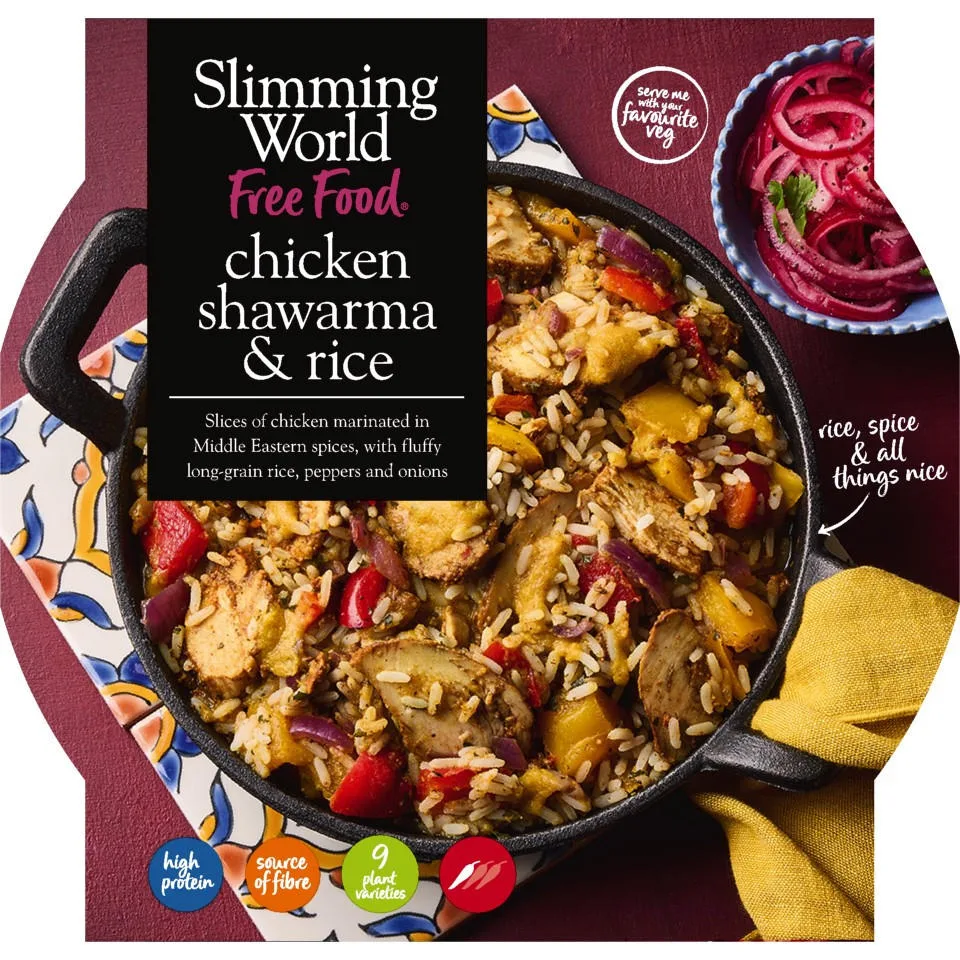
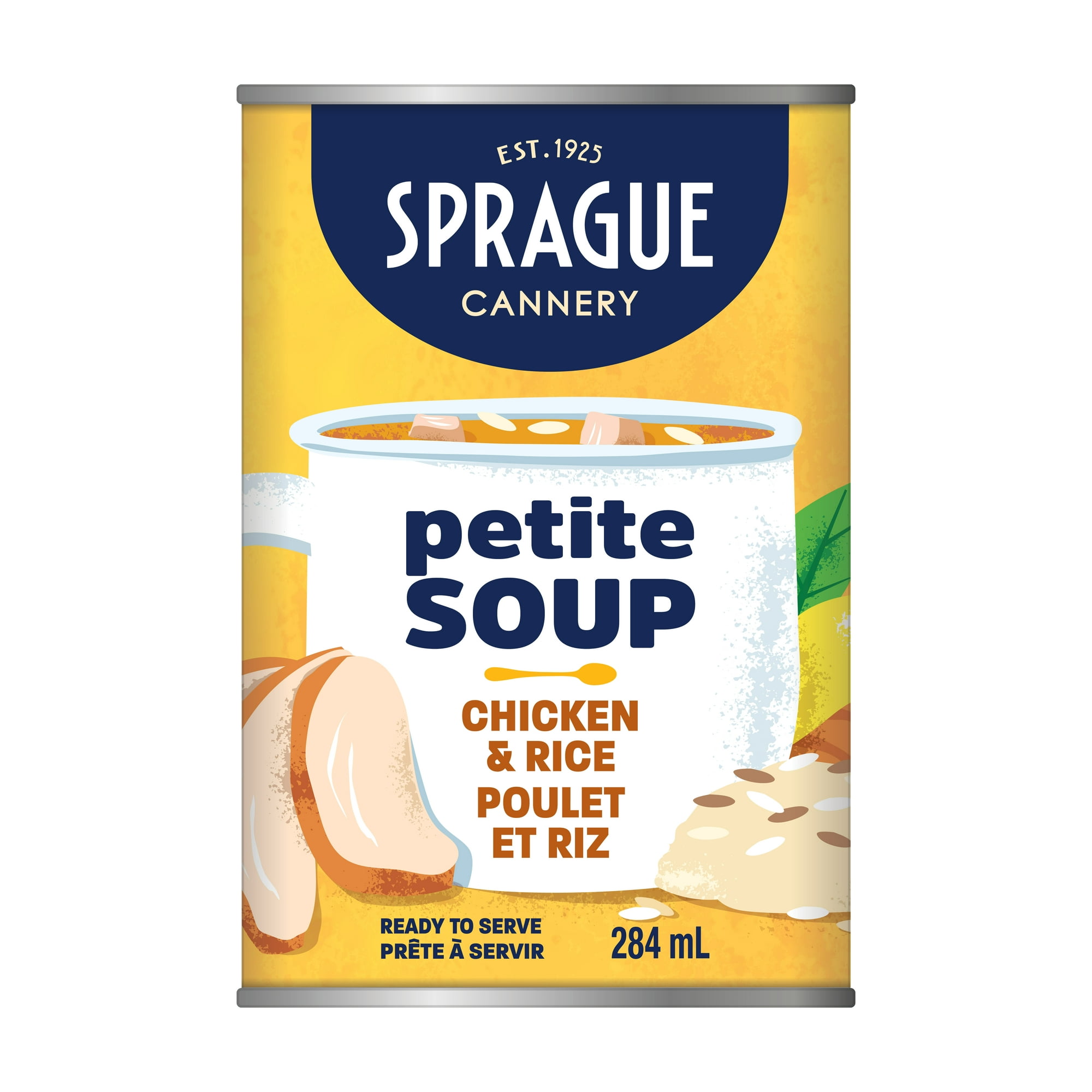


Slimming World Free Food chicken shawarma & rice
Analysis updated September 2026 · How Scout scores
At a glance
Summary
This chicken shawarma and rice dish features a variety of whole food ingredients such as chicken breast, spices, and peppers, which contribute beneficial nutrients like protein, vitamins, and antioxidants. The product is processed, which limits its maximum score, but it avoids major harmful ingredients like seed oils and artificial additives, maintaining a relatively clean label. The inclusion of natural spices and vegetables enhances its nutritional profile, making it a healthier processed food option.
Key ingredients 13
Chicken BreastGood
Chicken breast is a lean source of high-quality protein. It provides essential amino acids necessary for muscle repair and growth. The absence of skin and fat makes it a healthier option compared to other cuts.
Benefits
Rich in protein and low in fat, supporting muscle maintenance and weight management.
SpicesGood
Spices add flavor and contain antioxidants that may support health. They can enhance the taste without adding calories or unhealthy fats. Different spices offer various health benefits, such as anti-inflammatory properties.
Benefits
Provide antioxidants and can have anti-inflammatory effects, enhancing overall health.
GarlicGood
Garlic is known for its potential cardiovascular benefits and immune-boosting properties. It contains allicin, which may help reduce blood pressure and cholesterol levels. Fresh garlic is more beneficial than processed forms.
Risks
Excessive consumption may cause digestive discomfort in some individuals.
Benefits
May support heart health and boost the immune system due to its active compounds.
Red PepperGood
Red pepper is rich in vitamins A and C, which are important for immune function and skin health. It also contains antioxidants that can help reduce inflammation. The vibrant color indicates a high nutrient content.
Benefits
High in vitamins and antioxidants, supporting immune health and reducing inflammation.
Yellow PepperGood
Yellow pepper provides a good source of vitamins C and B6, which are essential for immune function and energy metabolism. It is low in calories and high in fiber, promoting digestive health. The bright color signifies a rich nutrient profile.
Benefits
Supports immune health and energy metabolism due to its vitamin content.
OnionNeutral
Onions are a common culinary ingredient that adds flavor and aroma. They contain quercetin, an antioxidant that may have anti-inflammatory effects. While beneficial, they are typically consumed in small amounts.
Risks
May cause digestive discomfort in some individuals when consumed in large quantities.
Benefits
Contains antioxidants that may support health, though benefits are modest due to typical serving sizes.
Fat-Free YogurtNeutral
Fat-free yogurt provides calcium and probiotics, which are beneficial for bone and gut health. However, the removal of fat may reduce the absorption of fat-soluble vitamins. It is a low-calorie option for those monitoring fat intake.
Risks
May contain added sugars or artificial thickeners in some formulations.
Benefits
Offers probiotics and calcium, supporting digestive and bone health.
CeleriacNeutral
Celeriac is a root vegetable that provides fiber and vitamin K. It is low in calories and can be a good alternative to potatoes. Its unique flavor can enhance dishes without adding significant calories.
Benefits
Provides fiber and vitamin K, supporting digestive health and blood clotting.
CauliflowerNeutral
Cauliflower is a low-calorie vegetable rich in vitamins C and K. It is a versatile ingredient that can be used in various dishes. Its high fiber content supports digestive health.
Benefits
Rich in vitamins and fiber, promoting overall health and digestion.
Lemon JuiceNeutral
Lemon juice is a natural source of vitamin C and adds a refreshing flavor to dishes. It can enhance the absorption of iron from plant-based foods. Its acidity can also act as a natural preservative.
Benefits
Rich in vitamin C and enhances flavor, supporting immune health and iron absorption.
Tomato PasteNeutral
Tomato paste is concentrated and provides lycopene, an antioxidant linked to heart health. It is used to add depth of flavor to dishes. The concentration process increases its nutrient density compared to fresh tomatoes.
Risks
May contain added salt or preservatives in some formulations.
Benefits
Rich in lycopene, supporting heart health and providing antioxidants.
Chicken StockNeutral
Chicken stock adds flavor and some nutrients to dishes. It is typically low in calories and can enhance the taste of soups and stews. The quality of the stock depends on the ingredients used in its preparation.
Risks
May be high in sodium, which can be a concern for those monitoring salt intake.
Benefits
Enhances flavor and provides some nutrients, though benefits are modest.
Yeast ExtractBad
Concentrated glutamate source — MSG-adjacent flavor enhancer.
Risks
May contain high levels of sodium, which can be a concern for those monitoring salt intake.
Benefits
Provides B vitamins and enhances flavor, reducing the need for added salt.
Processing
Processed Foods
Get the full breakdown in the Scout appTake Scout shopping
Scan any product to see lab results, healthy alternatives, and your personalized analysis.
Download on theApp Store GET IT ONGoogle Play