


At a glance
Summary
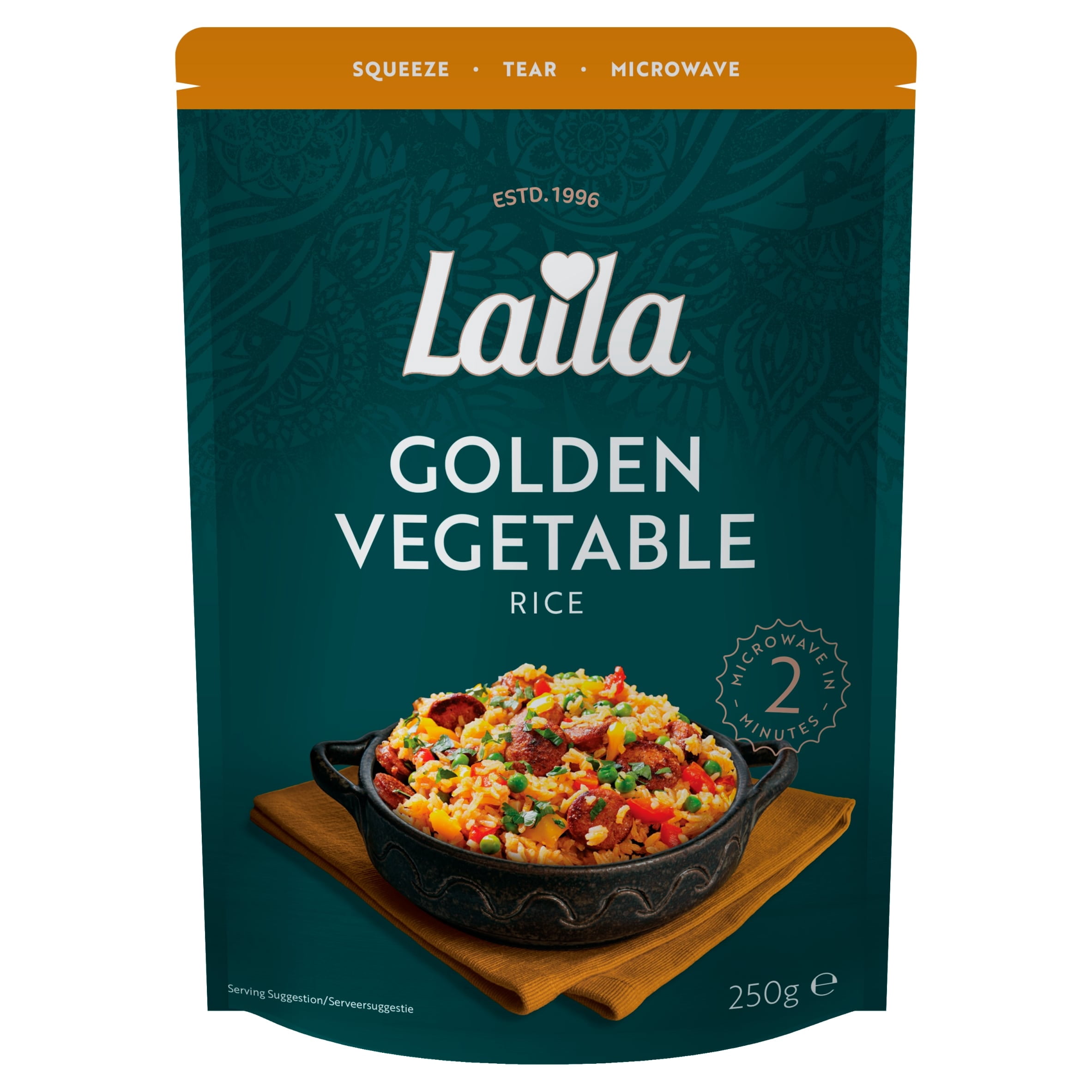
This pilau rice product is considered ultra-processed due to the inclusion of seed oils and flavoring agents, which detract from its nutritional quality. While it contains beneficial ingredients like basmati rice, onions, and turmeric extract, the presence of sunflower and/or rapeseed oil, which are high in omega-6 fatty acids, and vague flavoring components contribute to a lower score. The processing level and use of these oils limit its overall healthiness despite some positive ingredients.
Key ingredients 9
Cooked Basmati RiceGood
Basmati rice is a whole grain that provides a good source of carbohydrates and energy. It is minimally processed and retains some fiber and nutrients. Its low glycemic index makes it a healthier rice option.
Benefits
Provides a steady release of energy and is a good source of carbohydrates. Contains some fiber and essential nutrients.
OnionGood
Onions are rich in antioxidants and have anti-inflammatory properties. They are a natural source of vitamins and minerals, contributing to overall health. Their sulfur compounds may support heart health.
Benefits
Rich in antioxidants and may support heart health. Provides vitamins and minerals that contribute to overall wellness.
Turmeric ExtractGood
Turmeric extract is known for its anti-inflammatory and antioxidant properties. It contains curcumin, which may support joint health and reduce inflammation. Its use in small amounts can contribute to overall health benefits.
Benefits
Contains curcumin, which has anti-inflammatory and antioxidant properties. May support joint health.
Black PepperGood
Beneficial ingredient — whole-food or functional value in this product class.
Benefits
Enhances flavor and provides some antioxidant properties.
CinnamonGood
Beneficial ingredient — whole-food or functional value in this product class.
Benefits
Provides flavor and some antioxidant properties.
SaltNeutral
Salt is a common seasoning that enhances flavor but provides no nutritional benefits. It is essential for bodily functions but should be consumed in moderation. Excessive intake can lead to health issues like hypertension.
Risks
Excessive salt intake can lead to hypertension and cardiovascular issues.
Benefits
Essential for bodily functions but should be consumed in moderation.
Cumin SeedsNeutral
Cumin seeds are used for flavoring and have some antioxidant properties. They are a natural spice with minimal processing. Their health benefits are limited when used in small culinary amounts.
Benefits
Provides flavor and some antioxidant properties.
FlavouringBad
The term 'flavouring' is vague and can include a variety of artificial or natural additives. It lacks transparency, making it difficult to assess health impacts. Such ingredients are often used to enhance taste but may not provide nutritional benefits.
Risks
Lack of transparency can hide potential allergens or artificial additives.
Sunflower Oil and/or Rapeseed OilVery Bad
Seed oils like sunflower and rapeseed oil are high in omega-6 fatty acids, which can promote inflammation when consumed in excess. They are often highly processed, which can degrade their nutritional quality. These oils are not recommended due to their potential negative health impacts.
Risks
High omega-6 content may promote inflammation when consumed in excess. Processing methods can degrade nutritional quality.
Processing
Ultra-Processed Foods
Get the full breakdown in the Scout appTake Scout shopping
Scan any product to see lab results, healthy alternatives, and your personalized analysis.
Download on theApp Store GET IT ONGoogle Play