
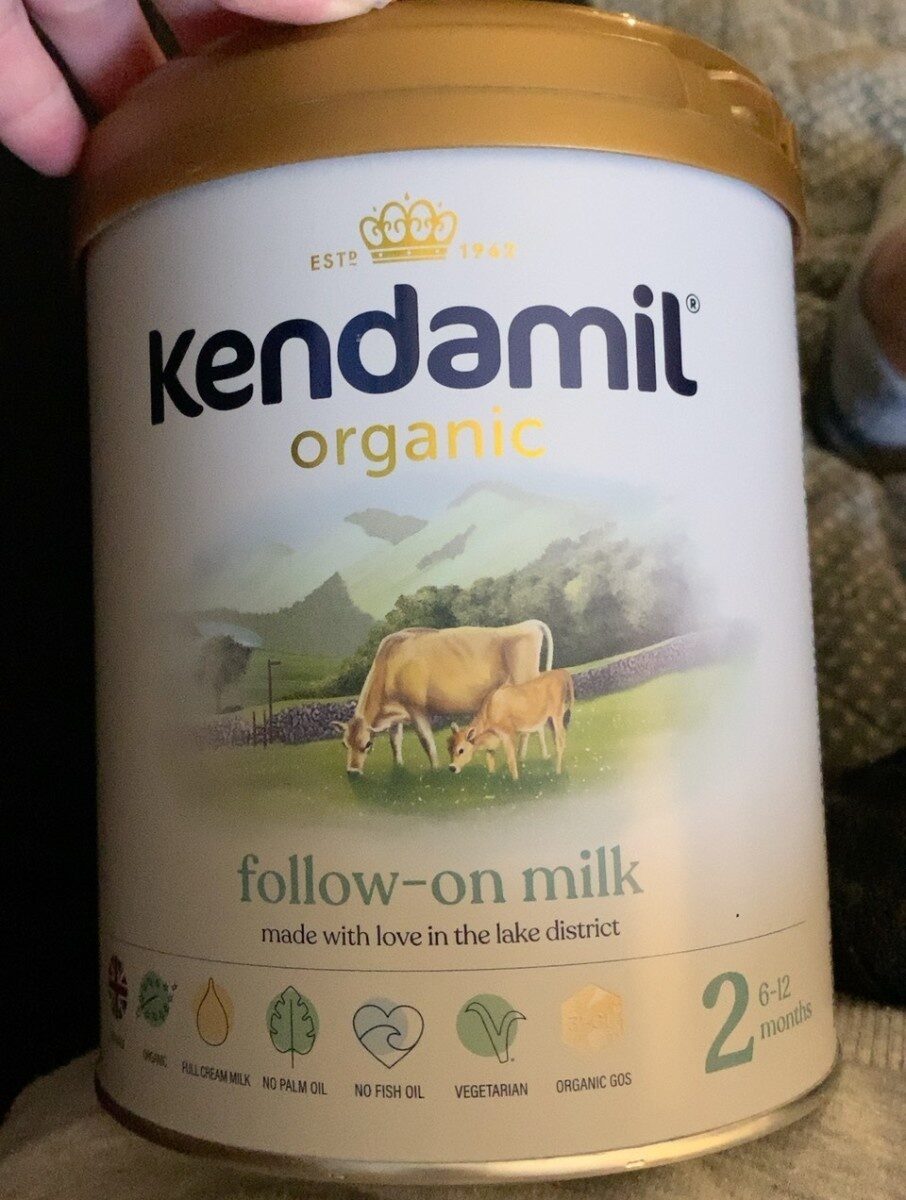


Kendamil Organic Follow On Milk (Stage 2) UK Version, 800g | UK import
Analysis updated September 2026 · How Scout scores
At a glance
Summary
This product is ultra-processed, which limits its score despite having several beneficial ingredients like organic whole milk and DHA, which support growth and development. The inclusion of organic vegetable oils, particularly sunflower and rapeseed oils, introduces a potential for inflammation due to their high omega-6 fatty acid content. The organic certification and absence of artificial additives are positive aspects, but the processing level imposes a cap on the score.
Key ingredients 12
Organic whole milkVery Good
Organic whole milk is a high-quality source of essential nutrients like calcium and vitamin D. Being organic, it is free from synthetic pesticides and hormones. It provides a complete protein profile beneficial for growth and development.
Benefits
Rich in calcium and vitamin D, supporting bone health and development. Provides high-quality protein necessary for growth.
Organic skimmed milkGood
Organic skimmed milk offers essential nutrients with reduced fat content. It is free from synthetic additives due to its organic certification. It provides a good source of calcium and protein without the extra calories from fat.
Benefits
Provides calcium and protein while being lower in fat, making it suitable for calorie-conscious diets.
Organic demineralised milk whey protein powderGood
This ingredient is a high-quality protein source, essential for muscle development and repair. Being organic, it is free from synthetic additives and hormones. It offers a complete amino acid profile beneficial for growth.
Benefits
Excellent source of complete protein, supporting muscle growth and repair.
Organic galacto-oligosaccharideGood
Galacto-oligosaccharides are prebiotics that support gut health by promoting beneficial bacteria growth. Being organic, they are free from synthetic additives. They help improve digestive health and nutrient absorption.
Benefits
Supports gut health by promoting the growth of beneficial bacteria.
Calcium citrateGood
Calcium citrate is a highly absorbable form of calcium, essential for bone health. It is more easily absorbed than other forms of calcium, especially in individuals with lower stomach acid. It supports bone density and overall skeletal health.
Benefits
Highly absorbable form of calcium, supporting bone health and density.
Docosahexaenoic acidGood
Docosahexaenoic acid (DHA) is an omega-3 fatty acid crucial for brain and eye development. It is particularly important in infant formulas for cognitive and visual development. It supports overall brain health and function.
Benefits
Supports brain and eye development, crucial for cognitive health.
Vitamin CGood
Vitamin C is an essential nutrient that supports immune function and acts as an antioxidant. It helps in the absorption of iron and the maintenance of healthy skin. It is crucial for overall health and well-being.
Benefits
Supports immune function and acts as an antioxidant, promoting overall health.
Organic lactoseNeutral
Organic lactose is a natural sugar derived from milk, used as a carbohydrate source. It is organic, ensuring no synthetic additives. It serves as an energy source but may cause issues for lactose-intolerant individuals.
Risks
May cause digestive issues for those with lactose intolerance.
Benefits
Provides a natural source of energy from carbohydrates.
Sodium citrateNeutral
Sodium citrate is used as an acidity regulator and stabilizer in foods. It is generally recognized as safe and does not pose significant health risks. It helps maintain the stability and texture of the product.
Benefits
Helps maintain product stability and texture.
Magnesium chlorideNeutral
Magnesium chloride is a source of magnesium, an essential mineral for various bodily functions. It is used to fortify foods with magnesium, supporting muscle and nerve function. It is generally safe when consumed in appropriate amounts.
Risks
Excessive intake may lead to digestive issues such as diarrhea.
Benefits
Provides magnesium, supporting muscle and nerve function.
Potassium chlorideNeutral
Potassium chloride is used to provide potassium, an essential electrolyte for maintaining fluid balance and nerve function. It is generally safe and helps in maintaining proper cellular function. It is used to balance the mineral content in the product.
Risks
Excessive intake may lead to hyperkalemia, affecting heart function.
Benefits
Provides potassium, supporting electrolyte balance and nerve function.
Organic vegetable oilsBad
Includes sunflower, coconut, and rapeseed oils, which vary in health impact. Sunflower and rapeseed oils are high in omega-6 fatty acids, potentially promoting inflammation. Coconut oil provides medium-chain triglycerides, beneficial for energy.
Risks
High omega-6 content in sunflower and rapeseed oils may promote inflammation when consumed in excess.
Benefits
Coconut oil provides medium-chain triglycerides, which are a quick energy source.
Processing
Ultra-Processed Foods
Get the full breakdown in the Scout appTake Scout shopping
Scan any product to see lab results, healthy alternatives, and your personalized analysis.
Download on theApp Store GET IT ONGoogle Play